Resources
A cultural and religious preferences sheet for your care plan
The Aldera team Published 15 September 2026
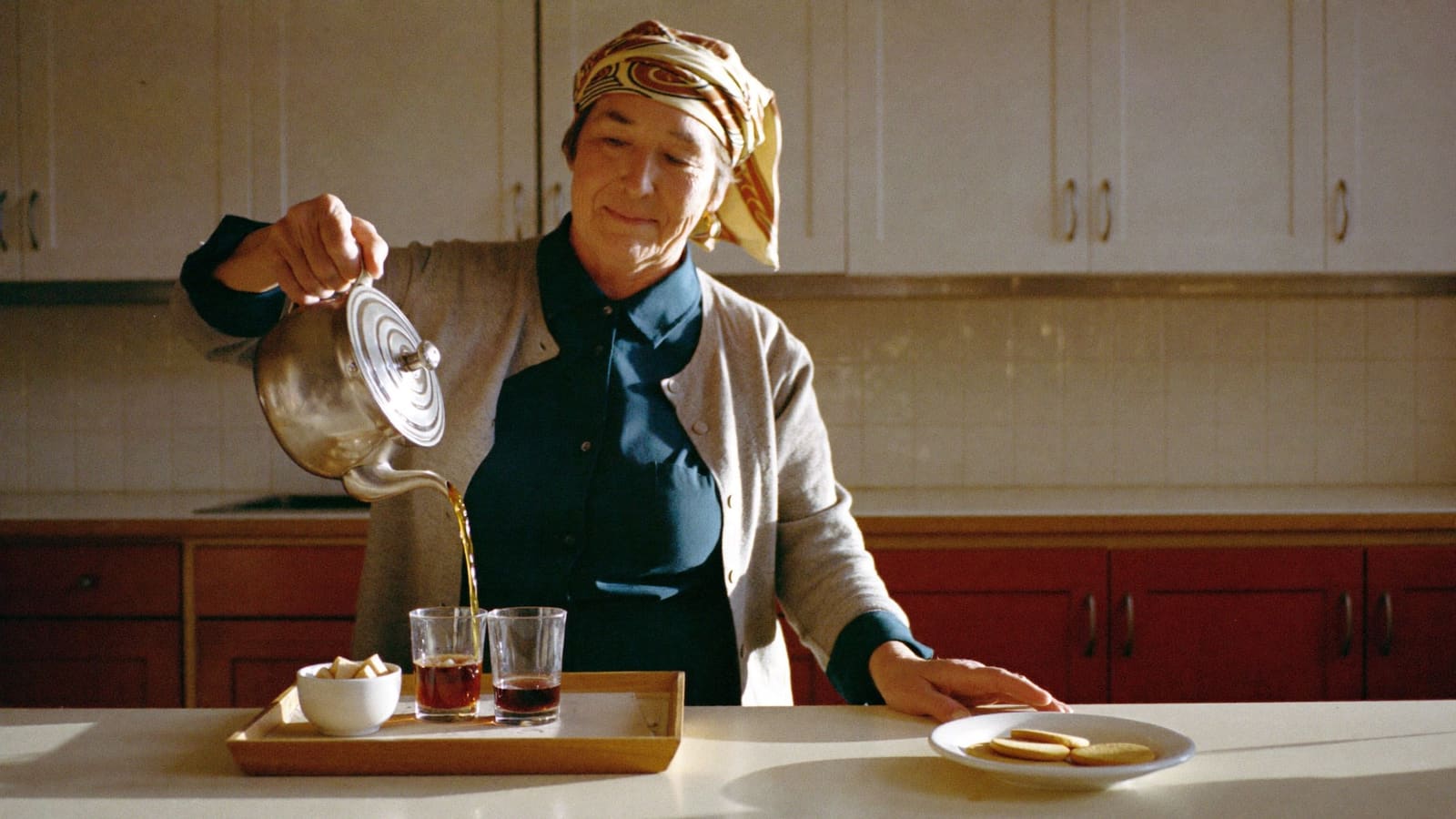
Illustrative. Does not depict Aldera clients or staff.
Most of what goes wrong culturally in someone’s home is not prejudice. It is a worker who did not know, doing something ordinary that turns out not to be ordinary here.
Shoes on the carpet. A hand offered that should not have been. A meal heated in the wrong pan. A visit booked over the one hour of the week that was never going to work. None of it is meant, all of it lands, and almost all of it is preventable with a page of writing.
This is a list of headings. Write under the ones that apply, ignore the rest, and give it to your provider to attach to your care plan.
Language
- The language you would rather speak at home, and whether that is different from the language you use with officials.
- Whether your English gets harder when you are tired, unwell or in pain. This is extremely common and worth stating, because it is invisible on a good day.
- Whether you want an interpreter for reviews and assessments. There is a free service for this and you are entitled to use it, which free interpreter for aged care explains.
- Who in the family may interpret for day-to-day matters, and who may not. Plenty of people are happy for a daughter to translate a roster and not a diagnosis.
- How your name is pronounced, and what you want to be called. Not the short version someone invented.
Food and drink
- What you do not eat, and whether that is strict or a preference.
- Whether food needs to be prepared or certified a particular way, and whether that extends to how it is cooked and what it is cooked in.
- Separate pots, pans, boards or utensils, and which is which.
- Foods that matter to you, by name. The dish that makes a day feel right.
- Tea or coffee, how it is made, and whether a visitor is always offered one.
- Fasting periods, and what you want to happen during them. Ramadan, fasting and support at home covers one of these in detail.
Modesty and personal care
This is the heading that prevents the most distress, and the one people are least likely to raise unprompted.
- Whether you need a worker of a particular gender for personal care, bathing or dressing. You are allowed to ask and it is a common request, not a difficult one.
- Which parts of the body may be uncovered, and in what order.
- Whether hair must stay covered, including during washing and at night.
- Who may be in the room, and who may not, including family.
- What you want to wear, and how you want to be dressed if you cannot do it yourself.
Faith and observance
- Prayer times, and what you need for them. Somewhere to wash, a clear space, a direction to face, and not to be interrupted.
- A day of the week that is different, and what changes on it.
- Festivals and fasts across the year, and what you would want support to look like during them.
- Items in the home that are not to be moved, touched or put away, and where they belong.
- Whether you want help getting to a mosque, church, temple or synagogue, and whether that is a transport job or a company job.
The household
- Shoes on or off, and where they go.
- Which chair is yours.
- Rooms a visitor does not enter.
- How the house is greeted, and whether a worker should call out, knock or wait.
- Pets, and whether they are allowed in particular rooms.
Family and decisions
- Who is normally in the room for a conversation about your care.
- Who speaks first, and whether decisions are made by you alone or with family.
- Who to ring, and who not to ring.
- Whether news should reach you directly or through a particular person.
The end of life
Only if you want to write it now. Many people would rather not, and there is no obligation.
- Rites, customs or people who must be present or called.
- What must or must not be done to the body, and who may do it.
- Who holds the decisions, which is a separate conversation covered in starting the advance care planning conversation.
What you would rather not be asked
Worth a line of its own. A country somebody left, a family member who is not spoken about, a question that gets asked politely and lands badly every single time. Writing it down once means never fielding it again.
Then make sure it travels
A preferences sheet in a drawer changes nothing. What matters is whether it reaches the person standing in your kitchen on a Thursday.
At Aldera this goes into the One Story record, which is the point of having one, so that the fourth worker knows about the shoes and the tea and the Friday without you explaining it a fourth time. A small Care Circle is the other half of the same answer, because the fewer people who come, the less often anything has to be explained at all.
Ask your provider where this will live and who can see it. Then check, when someone new arrives, whether they already knew.
Part of our Languages and cultural care guide.
Not sure where you fit?
Call us and a real person will talk it through, no obligation and no script.
Call 1300 998 928Common questions
Is a provider obliged to take any of this into account?
Yes. The Aged Care Quality Standards require providers to deliver care that is culturally safe and that respects a person's identity, culture and diversity, and that is a standard providers are assessed against rather than a courtesy. You can read the Standards at agedcarequality.gov.au. Writing your preferences down is what turns a general obligation into something specific enough for a worker to act on.
What if I do not want to explain all of this?
Then write down only what you want acted on, and skip the rest. Nobody is owed the reasoning. The sheet exists so that a worker does the right thing, not so that you justify yourself. Plenty of useful entries are one line with no explanation at all, for example that shoes come off at the door.
How do I make sure it reaches the worker who actually turns up?
Ask where it will be recorded and who can see it, then test it. When someone new comes, see whether they already know. If they do not, the information is sitting in a file rather than travelling with you, and that is worth raising with your provider directly.
More resources
-
Resources
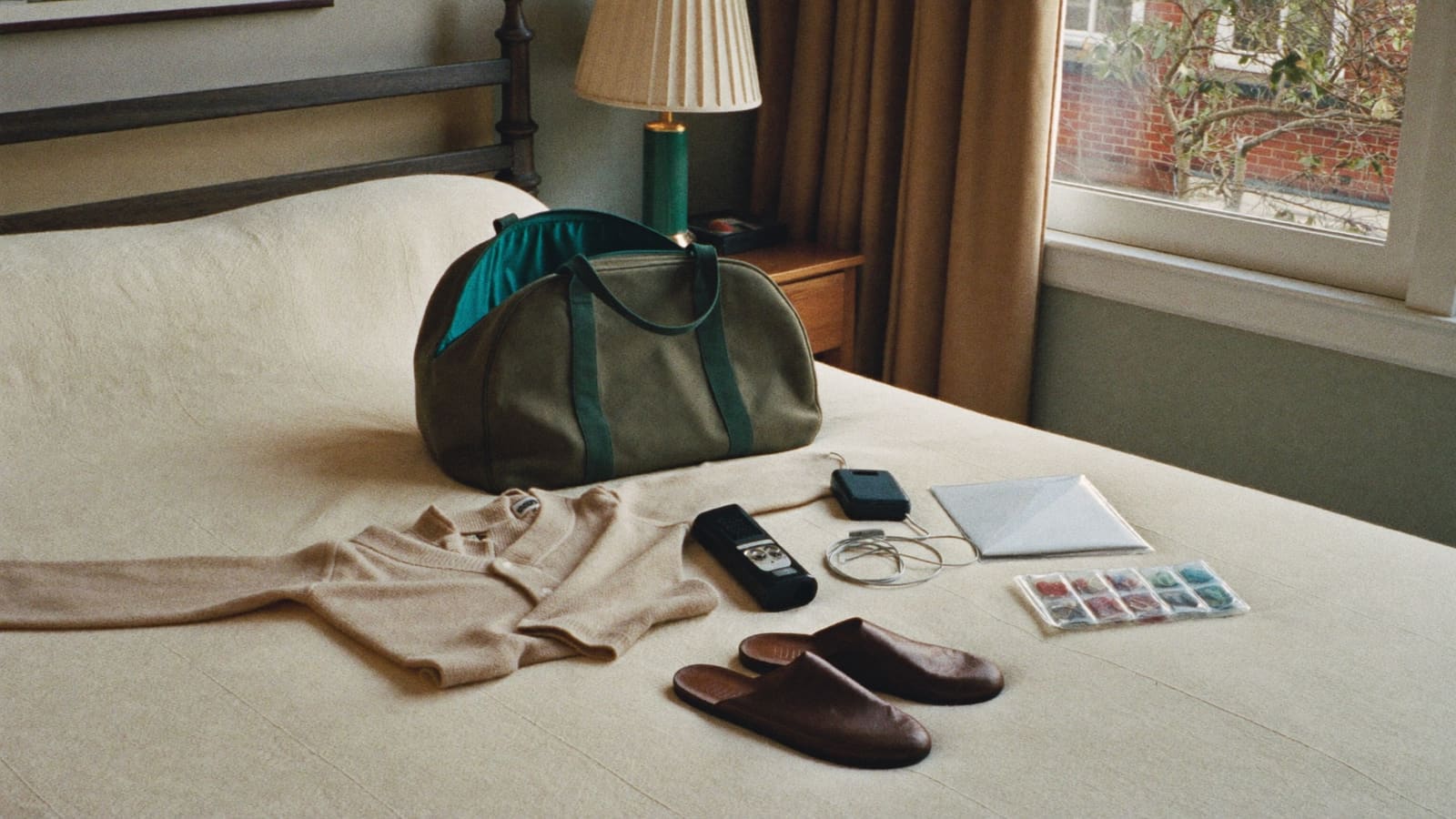
An emergency grab bag checklist
What to pack in a grab bag for an older person, for a fire, flood, power cut or sudden hospital trip, and how to keep it up to date.
15 October 2026
-

Resources
Protecting an older parent from scams
A practical checklist for families to help an older person spot scams, set up simple safeguards and know what to do if money has already been lost.
7 October 2026
-

Resources
Questions to ask about a new medicine
A short list to take to the GP or pharmacy whenever a new medicine is started, so you leave knowing what it is for, how to take it and what to watch for.
5 October 2026