Resources
An emergency grab bag checklist
The Aldera team Published 15 October 2026
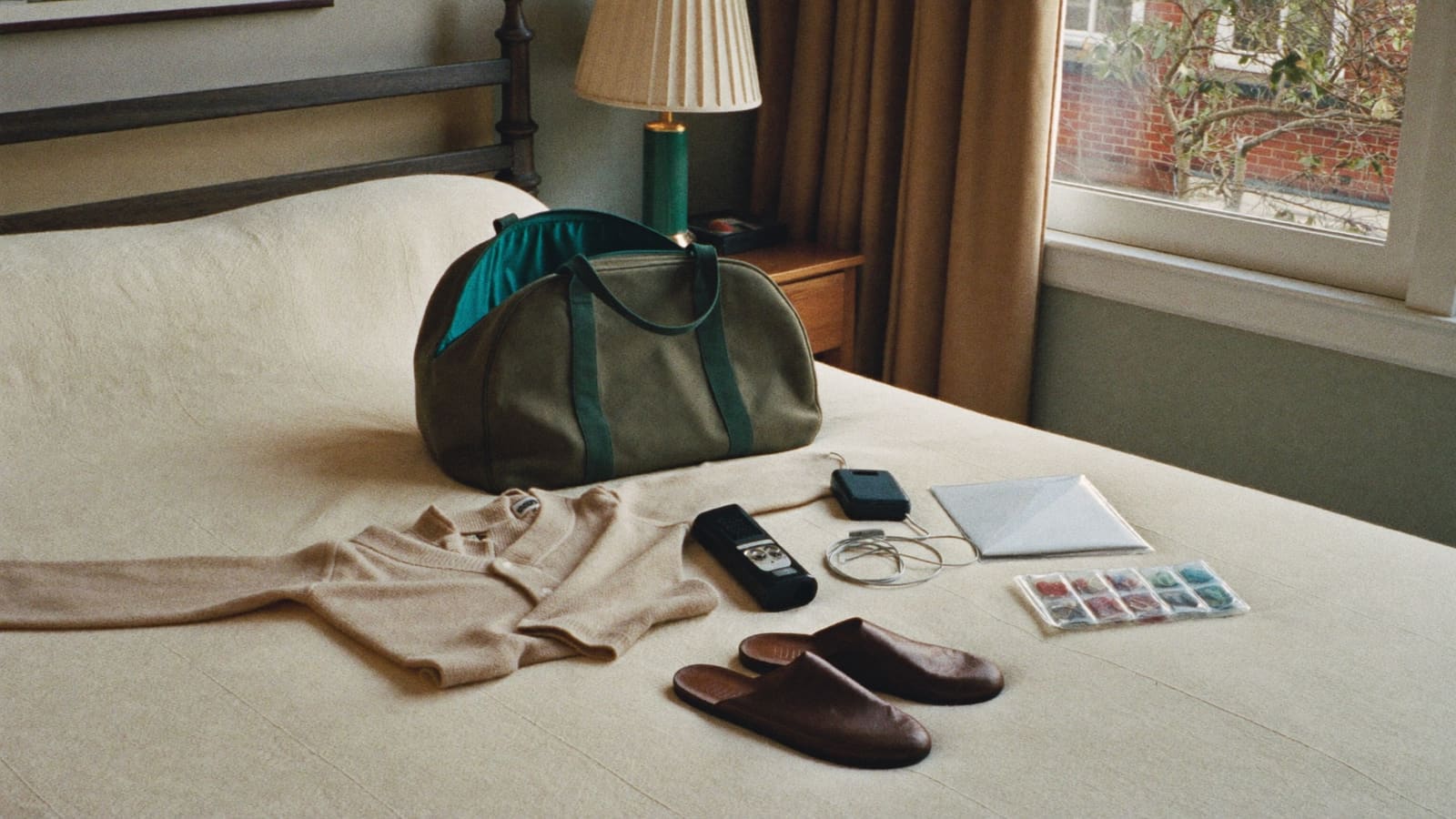
Illustrative. Does not depict Aldera clients or staff.
This is general information, not medical advice.
Most emergencies give very little warning. A bushfire alert, a flash flood, a long blackout or a 2am trip to hospital all have one thing in common: nobody thinks clearly while it is happening. A packed bag means the important things come along, whoever is helping.
Work through this list with the person, not around them. It is their bag, and the comfort items matter as much as the paperwork.
Medications and health
- At least several days of every regular medication, in a pill organiser or original packaging
- A printed, current medication list with doses. Our guide to managing medications at home explains how to keep one
- Glasses, hearing aids with spare batteries or a charger, and dentures with their case
- Continence products, if used
- Any small equipment, such as a blood glucose meter or puffer and spacer
- A copy of the one-page emergency information sheet from the fridge
Documents
Keep copies in a waterproof sleeve or zip-lock bag:
- Medicare card, pension or concession card, and private health insurance card
- Contact numbers for family, the GP, the pharmacy and the care provider
- Copies of any advance care directive and the names of powers of attorney or guardians
- A recent photo of the person, which helps if they become separated from family
Our resource on documents worth sorting covers which originals to keep safe at home.
Practical items
- A torch with fresh batteries, and a battery or wind-up radio for emergency updates
- A mobile phone charger and, if possible, a charged power bank
- Some cash, in case card machines are down
- Bottled water and a few easy snacks that suit any dietary needs
- Spare house and car keys
Comfort items
These are easy to forget and make the biggest difference in a hospital ward or an evacuation centre.
- Two changes of comfortable clothes, a warm cardigan and sturdy shoes or slippers with a good grip
- Toiletries and a small towel
- Something familiar: a photo, a prayer book or beads, a favourite small blanket
- Puzzle book, reading material or headphones with familiar music
Before an emergency
- Know the warnings. In NSW, the NSW SES has guidance on preparing for floods and storms, and Hazards Near Me alerts can be set up on a family member’s phone for the older person’s address.
- Have a plan for leaving. Who will collect them, and where will they go? Write it on the emergency sheet.
- Power-dependent equipment. If the person relies on equipment like an oxygen concentrator, tell the electricity retailer and ask the GP or supplier about a backup plan.
- Heat and cold. Long power cuts in summer or winter are risky on their own. See staying safe at home in heat and cold.
Keeping it current
- Check the bag at the start of summer and winter
- Swap medications when prescriptions change and check expiry dates
- Recharge the power bank and test the torch
- Keep the bag in the same place, near the front door or in the bedroom wardrobe, and make sure family and support workers know where it is
How Aldera helps
With the person’s agreement, a support worker can help put the bag together and check it during regular visits, and the One Story record notes where it is kept and what is in it. If plans or medications change, your Care Lead makes sure the whole Care Circle knows, so whoever is there on the day can pick up the bag and go.
Part of our The Aldera way guide.
Not sure where you fit?
Call us and a real person will talk it through, no obligation and no script.
Call 1300 998 928Common questions
What is a grab bag?
A packed bag kept somewhere easy to reach, holding the essentials a person would need if they had to leave home quickly or go without power for a while. For an older person that means medications, documents and the small things that make a strange place bearable.
What if someone relies on electricity for medical equipment?
Tell the electricity retailer, because there is a process for registering customers who rely on life support equipment so they are told about planned outages. Also talk to the GP or equipment supplier about a backup plan for longer power cuts.
How often should a grab bag be checked?
Every few months, and whenever medications change. A good habit is to check it at the start of summer and again at the start of winter, when you are thinking about heat and storms anyway.
More resources
-
Resources
Protecting an older parent from scams
A practical checklist for families to help an older person spot scams, set up simple safeguards and know what to do if money has already been lost.
7 October 2026
-

Resources
Questions to ask about a new medicine
A short list to take to the GP or pharmacy whenever a new medicine is started, so you leave knowing what it is for, how to take it and what to watch for.
5 October 2026
-
Resources
What to keep in a care diary
A notebook on the kitchen bench outperforms four people's memories. What to write, what to leave out, and how to keep it useful past the third week.
17 September 2026