Resources
What to keep in a care diary
The Aldera team Published 17 September 2026
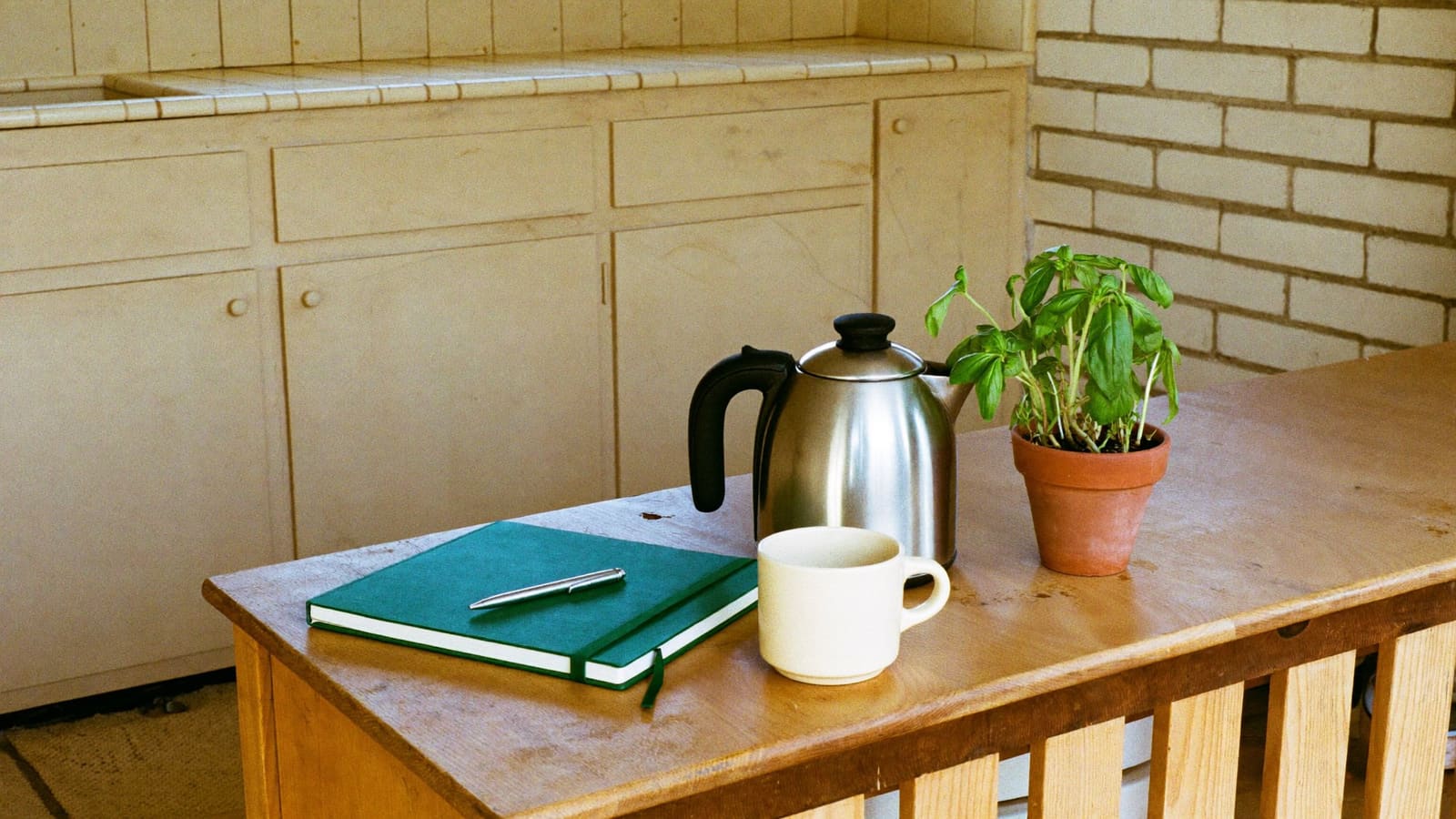
Illustrative. Does not depict Aldera clients or staff.
Four people are involved in looking after someone at home, and each of them holds a different quarter of the picture in their head. The daughter knows about the appointments. The neighbour knows the back door sticks. The support worker knows which mornings are harder. The son who rings on Sundays knows what his father says when nobody is in the room.
None of them has the whole thing, and the quarters only meet in a crisis.
A care diary is the cheapest possible fix. It is a notebook on the kitchen bench.
What it is for
Three things, in order of how much they matter.
Catching patterns. Nobody can tell you whether the bad nights are getting more frequent from memory. Six weeks of two-line entries can.
Surviving handovers. A hospital admission, a new worker, a fortnight when the main carer is away. The diary is what makes the next person competent from day one instead of week three.
Making appointments useful. Ten minutes with a GP is worth far more when the answer to “how has it been?” is a page rather than a shrug.
What to write
Keep it short. A diary that takes five minutes a day gets abandoned in a fortnight. Two lines is the target.
- The date, and who wrote it. This sounds fussy and it is the field you will most want later.
- Anything different from usual. Slept badly, did not finish lunch, seemed brighter than she has been, walked to the letterbox for the first time in a month. Better than usual counts, and people almost always forget to write those down.
- Falls, near misses and new bruises. Every one, even the ones that came to nothing. This is the single most valuable column in the book and it is the one that turns a vague worry into something a doctor can act on. What to do after a fall at home covers the response itself.
- Appetite and fluids, roughly. Not a chart. “Ate about half” is enough.
- Any change to medications, and who made it. Who changed what, on what date. This one saves real trouble later.
- Appointments: the date, who was seen and what they said. Written the same day, while it is still accurate.
- Questions as they occur to you. Otherwise they arrive at 2am and are gone by the appointment.
- Who came, and when. Worker, cleaner, neighbour, physio.
What to leave out
Judgements. “Difficult today” tells the next reader nothing they can use, and it tells them something about the writer. “Did not want to shower, said the bathroom was cold” is a fact, it is more useful, and it comes with its own solution.
Also leave out anything you would not be comfortable with the person reading, because they should be able to read it. Private health details of other family members do not belong there either, since a book on a kitchen bench is read by whoever is in the kitchen.
Keeping it going past week three
This is where most care diaries die.
One book, one place, and the place is where things happen. The kitchen bench, next to the kettle. In a drawer means never.
Anyone can write in it. Family, the neighbour, the support worker, the person themselves. A diary that only one person is allowed to touch is that person’s diary, not the household’s.
Two lines on a quiet day. “Tuesday, nothing to report” is a real entry and it is what makes the busy entries mean something.
Read it back once a month. Twenty minutes, looking for the pattern rather than the day. This is the step that converts a pile of notes into something worth having, and almost nobody does it.
What it is not
It is not the emergency sheet. That is a single page on the fridge with the things an ambulance officer needs in thirty seconds, and it should exist separately. See the one-page emergency sheet for the fridge.
It is not your provider’s record either. We keep One Story so that everyone in the Care Circle works from the same picture rather than from whatever the last person remembered. The diary on your bench is the household’s side of that, and the two are better together: the things you write down between visits are exactly what we would otherwise have to guess.
It is not evidence, although it can become it. If something goes wrong and you need to raise it, a dated contemporaneous note is worth a great deal more than a recollection. How to raise a concern about your home care sets out that process.
Take it with you
To every appointment, alongside the medication list and the other things worth carrying, set out in what to take to a GP appointment.
A GP who asks how the last three months have been and receives an actual answer can do considerably more with the consultation than one who receives “oh, up and down”.
For assessments, funding and what support is available, start at myagedcare.gov.au.
Part of our The Aldera way guide.
Not sure where you fit?
Call us and a real person will talk it through, no obligation and no script.
Call 1300 998 928Common questions
Is this the same as the notes my provider keeps?
No, and both are worth having. Your provider keeps its own record, which in our case is the One Story record the whole Care Circle reads. The diary on your bench is yours. It holds the things a household notices between visits, it belongs to you, and you decide who reads it.
Should it be on paper or on a phone?
Whichever one will actually get used. Paper on the bench wins when several people are in and out of the house, because anybody can pick it up without an account or a password. A shared note on a phone wins when the family is spread across cities. Pick one and only one, because two half-kept diaries are worse than a single scrappy one.
What if the person it is about does not want it kept?
Then it is not kept, or it is kept differently. A record about an adult that they have not agreed to is a problem however well intentioned. Most people are comfortable once they can see it, add to it and know who reads it, so start by showing them rather than by asking permission in the abstract.
More resources
-
Resources
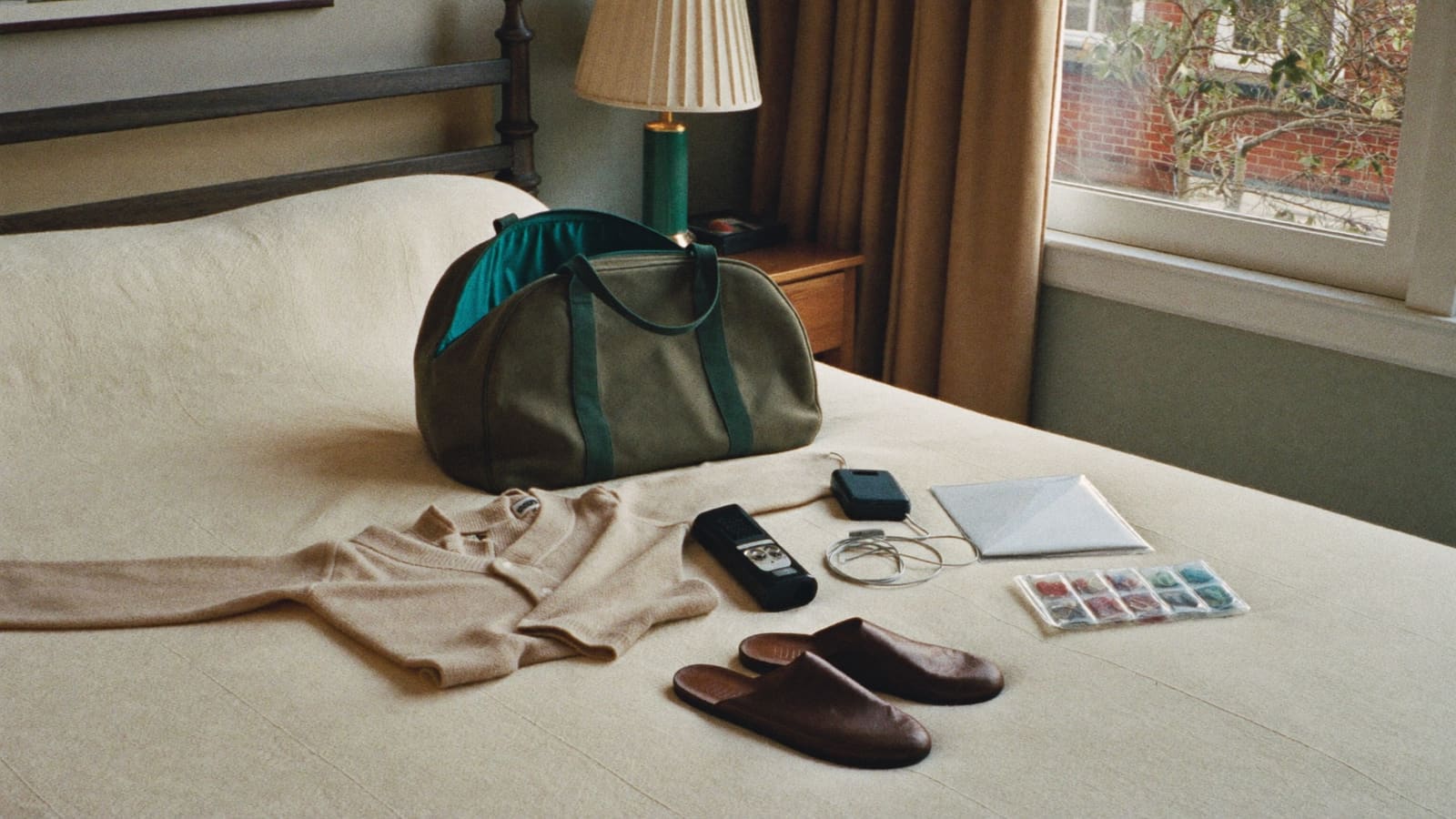
An emergency grab bag checklist
What to pack in a grab bag for an older person, for a fire, flood, power cut or sudden hospital trip, and how to keep it up to date.
15 October 2026
-
Resources
Protecting an older parent from scams
A practical checklist for families to help an older person spot scams, set up simple safeguards and know what to do if money has already been lost.
7 October 2026
-
Resources
Questions to ask about a new medicine
A short list to take to the GP or pharmacy whenever a new medicine is started, so you leave knowing what it is for, how to take it and what to watch for.
5 October 2026