Resources
What to take to a GP appointment
The Aldera team Published 7 September 2026
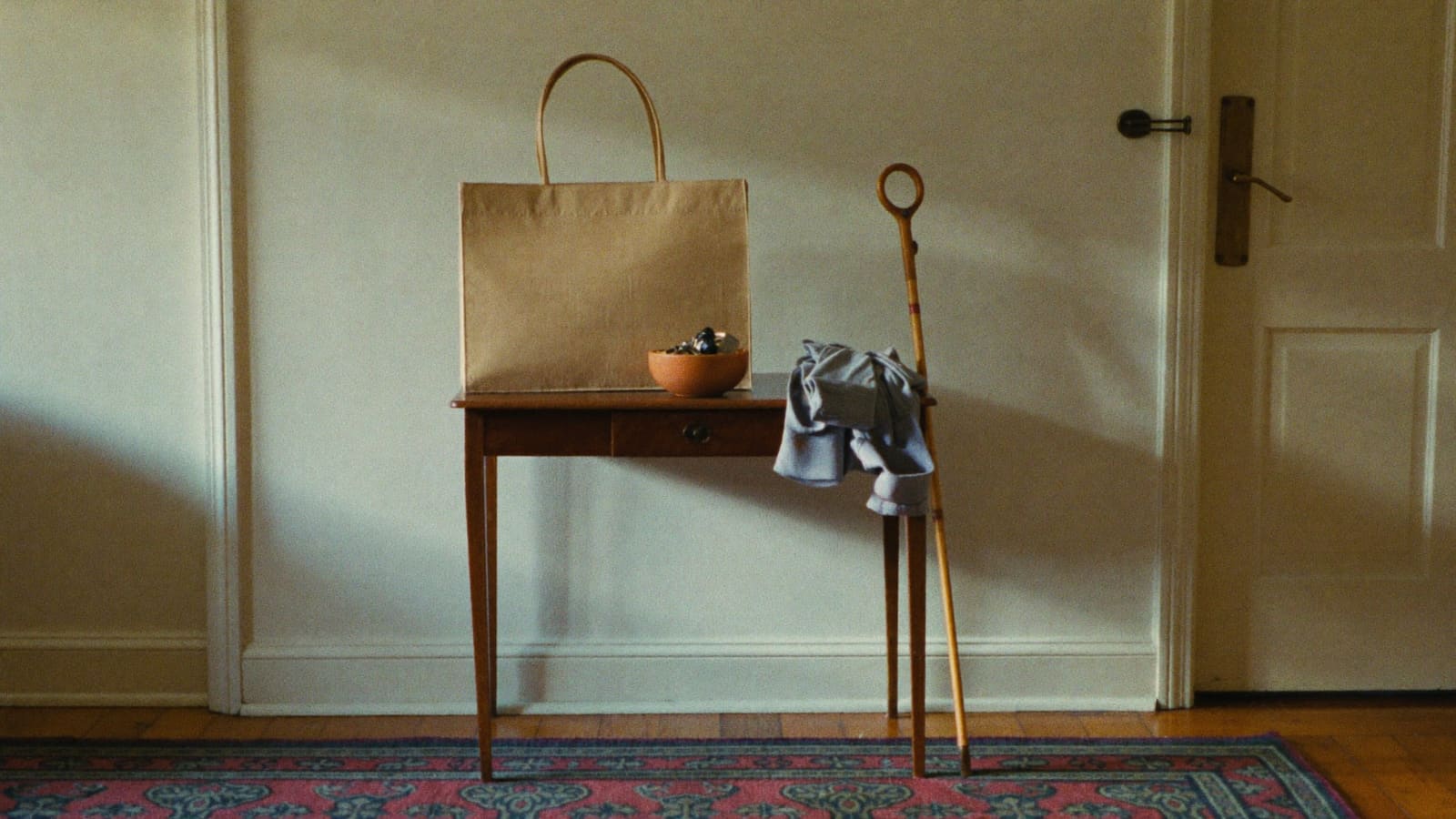
Illustrative. Does not depict Aldera clients or staff.
Most GP appointments go wrong in the same two ways. Either the medicine list is incomplete, or the thing that actually worried you gets raised with a hand on the door.
Both are fixable before you leave the house. This is a list to keep somewhere findable, ideally with the things themselves in a bag by the front door.
This is general information, not medical advice.
Take these
- Medicare card, and a concession or DVA card if you have one.
- Every medicine. The actual boxes and bottles in a bag, including anything from a specialist, anything bought at the chemist without a prescription, and any vitamins, supplements or herbal remedies. If carrying them is impractical, a current written list with doses.
- The name and contact of any specialist involved, and any recent letters or results you were given.
- Your glasses and hearing aids, and put fresh batteries in the hearing aids. A great deal of what goes unheard in a consulting room is simply not heard.
- A written list of what you want to raise, longest-standing worry first.
- A pen and something to write on, or someone who will write for you.
- Your usual walking aid, even on a good day. The doctor should see how you actually move.
Write these down beforehand
Do this at the kitchen table the day before, not in the waiting room.
- The main problem, in one sentence. When it started, what makes it worse, what makes it better.
- Anything that has changed since the last visit. Falls, dizziness, appetite, sleep, weight, mood, memory, continence. These are the things people are least likely to volunteer and most likely to matter.
- Any falls, including the ones that did not hurt. Especially those. A fall that caused no injury is still the best early warning there is.
- Questions about medicines. Anything you have stopped taking, anything you are taking differently from the label, anything that has side effects you dislike.
- What you want out of the appointment. A referral, a review, a certificate, reassurance. Say it at the start rather than the end.
Two questions before you leave the room
“What should happen next, and who is doing it?” Referral, test, follow-up appointment, medication change. Write down which of those is now your job and which is the practice’s.
“What would make you want to see me sooner?” This turns a vague plan into a clear one and it is the question people most often wish they had asked.
Worth asking about once a year
- A medicines review. If you take several regular medicines, a pharmacist can review them at home and report back to your GP. It regularly finds duplications and doses that were never reassessed. See what happens at a Home Medicines Review.
- Hearing and vision. Both decline gradually enough to go unmentioned. Our hearing and vision checks page covers what to ask for.
- A referral for allied health, if walking, balance, swallowing or eating has changed. Allied health at home explains what is available.
- Whether a My Aged Care referral makes sense. GPs can refer directly, and My Aged Care is the front door if you would rather start it yourself.
Getting there
If driving has stopped, or stopped being sensible, transport to appointments is one of the things home care support is routinely used for. Getting to appointments without driving covers the options, including the ones that do not involve family taking a day off.
At Aldera, appointments are the kind of thing a Care Lead keeps in the One Story rather than something you re-explain each time, so the worker who takes you knows what the appointment is for and what to bring. The bag by the door is still your job. Everything after that does not have to be.
Part of our Our services guide.
Not sure where you fit?
Call us and a real person will talk it through, no obligation and no script.
Call 1300 998 928Common questions
What is the single most useful thing to take to a GP appointment?
A current list of every medicine being taken, including the ones prescribed by other doctors, anything bought over the counter, and vitamins or supplements. Most appointments that go badly go badly because the medicine picture is incomplete. Taking the actual boxes is even better than a list.
Can a support worker come into the appointment?
That is your choice. A support worker or family member can drive you, sit in the waiting room, come in and take notes, or wait outside, whichever you prefer. It is worth deciding beforehand rather than at the desk, and worth telling the practice if someone will be joining you.
How do you get more time if there is a lot to cover?
Ask for a long appointment when you book, and say roughly how many things you need to raise. A standard consultation is short, and arriving with six issues for a fifteen minute slot is the most common reason people leave without covering the one that mattered.
More resources
-
Resources
An emergency grab bag checklist
What to pack in a grab bag for an older person, for a fire, flood, power cut or sudden hospital trip, and how to keep it up to date.
15 October 2026
-
Resources
Protecting an older parent from scams
A practical checklist for families to help an older person spot scams, set up simple safeguards and know what to do if money has already been lost.
7 October 2026
-

Resources
Questions to ask about a new medicine
A short list to take to the GP or pharmacy whenever a new medicine is started, so you leave knowing what it is for, how to take it and what to watch for.
5 October 2026