Guides
Getting to appointments when you stop driving
The Aldera team Published 4 September 2026

Illustrative. Does not depict Aldera clients or staff.
Giving up the car is rarely about the car. It is about the shopping, the appointments, the Tuesday game and the drive to your daughter’s place, and the fear that all of it stops on the day the keys go in the drawer.
It does not have to. But the alternatives take some setting up, and they work far better when they are arranged before the licence goes rather than after. This is general information, not advice about your own circumstances.
Work out the trips first
Before looking at any transport option, write down every trip actually made in a normal month. Most people find it comes to five or six repeating journeys, not twenty: the GP, the specialist a few times a year, the chemist, the supermarket, church or the club, and one social visit.
That list is the brief. Each of those trips needs an answer, and they will not all have the same answer. A ten-minute run to the chemist and a ninety-minute trip to a city hospital are different problems.
What actually replaces the car
Community transport. Most areas have a community transport service running door-to-door trips, often specifically for medical appointments, usually with volunteer or paid drivers who will wait and bring you home. It is the most useful and least known option in the country. Book well ahead, because the good ones fill up.
Taxi subsidy schemes. Every state and territory runs a scheme that pays part of the taxi fare for people with a qualifying permanent disability, including some mobility and vision conditions. The names, the eligibility and the amounts differ in each state, so check your own state or territory transport authority. Do not assume you would not qualify.
Hospital and clinic transport. Some hospitals arrange patient transport for people who have no other way of getting to treatment, particularly for repeat appointments like dialysis or radiotherapy. Ask the clinic’s social worker rather than the reception desk.
Your care provider. Transport is a support you can have at home like any other. A support worker can drive you, or come with you on the bus or the train if what you actually need is company and a hand with the steps rather than a car. Our transport support page sets out how that works at Aldera.
Family, properly organised. Family lifts fail when they are informal. One person ends up doing all of them and quietly resents it. A shared calendar with the recurring appointments on it, agreed in advance, works far better than asking each time. Our piece on how families share the load goes into this.
Change the appointments, not just the transport
Half of this problem can be solved at the other end of the phone call.
Ask the practice for the first appointment of the day or the first after lunch, because those are the ones that run on time and a long wait is what makes the whole trip exhausting. Ask whether several appointments can be stacked on one day at one location. Ask whether the review could be done by telehealth, which many specialists now offer for follow-ups. And ask what can simply come to the house instead: physiotherapy, podiatry, a dietitian and a psychologist can all be seen at home under the right arrangements, as our guide on allied health at home explains.
The best trip is often the one that turns out not to be necessary.
The conversation about the licence
If you are the family member, lead with the trips, not the licence. “We need to sort out how you get to the club on Tuesdays” is a conversation. “You shouldn’t be driving” is an argument, and it is one where the other person has everything to lose.
Where there is a genuine safety concern, the honest route is a medical assessment through the GP and your state licensing authority, not a family vote. Doctors have a defined role here and it takes the decision off the family, which preserves relationships that a confiscated set of keys does not.
Getting it funded
Transport can be part of a Support at Home plan. What it covers, and what you contribute, depends on your assessment. Aged care contributions are means-tested and the figures change, so get your own numbers from myagedcare.gov.au or by ringing them, and see our how funding works page for the shape of it.
Whatever the arrangement, the aim is not a lift to the doctor. It is the club, the shops and the visit to your daughter, still happening.
Part of our Our services guide.
Not sure where you fit?
Call us and a real person will talk it through, no obligation and no script.
Call 1300 998 928Common questions
What transport is available for older people who no longer drive?
Usually a mix rather than one answer. Community transport services run door-to-door trips for medical appointments in most areas, state and territory governments run taxi subsidy schemes for people with a qualifying disability, some hospitals and clinics arrange patient transport, and home care providers can include transport in a package. Start with My Aged Care and your local council.
Can a home care package pay for transport?
Support at Home includes transport as a service, and a support worker can drive you or go with you on public transport. What your own budget covers depends on your assessment and your plan, so check with your provider rather than assuming. Funding is means-tested and the rules change, so get your numbers from myagedcare.gov.au.
How do you talk to a parent about giving up driving?
Talk about the trips, not the licence. Most people are not attached to driving, they are attached to going to the bowls club and getting their own shopping. Work out how each of those trips will still happen, then have the conversation. Removing the car without replacing the outings is what people resist, and they are right to.
More guides
-
Guides
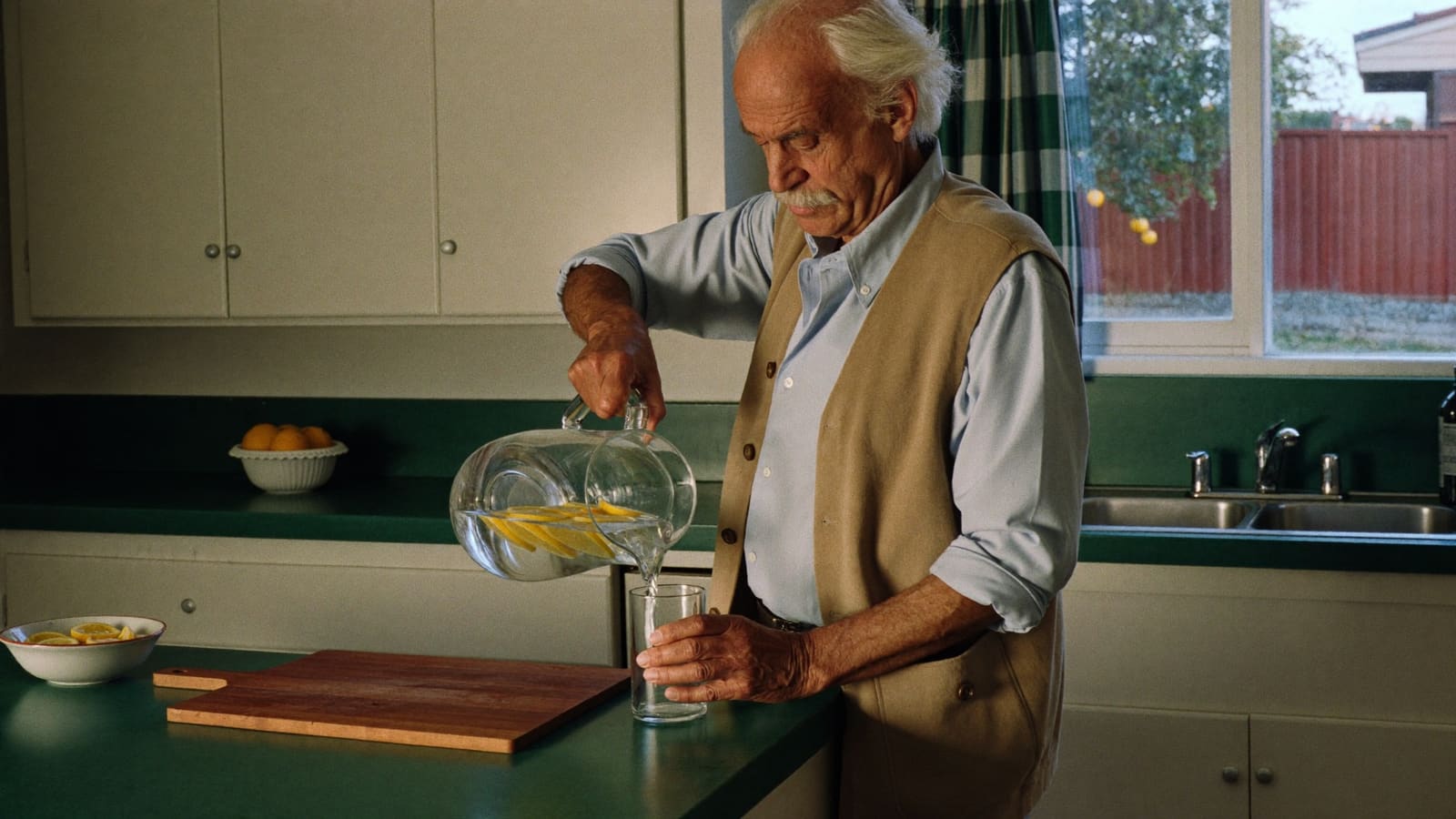
Drinking enough water in later life
Why older people drink less without noticing, the signs of dehydration to watch for, and small habits that make drinking easier at home.
15 October 2026
-
Guides
Recognising elder abuse and where to get help
The forms elder abuse takes, the quiet signs families and workers notice, and who to contact in NSW if you are worried about an older person.
15 October 2026
-

Guides
Talking to a parent about giving up driving
Signs driving is getting harder, how to raise it without a fight, who can give an independent view, and how to keep a parent getting out once the keys go.
15 October 2026