Blog
How families share the load when a parent needs care
The Aldera team Published 27 August 2026

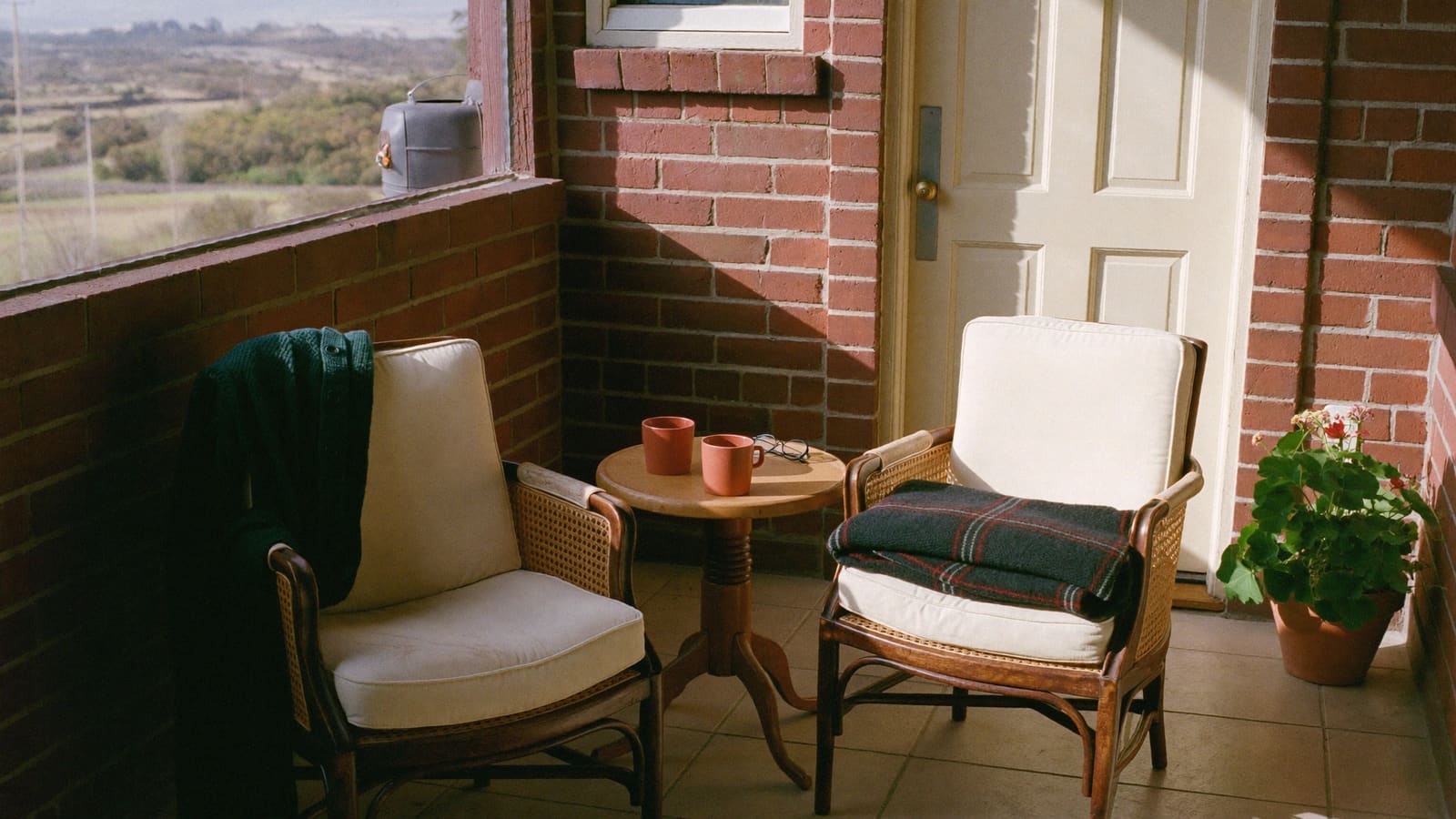
Illustrative. Does not depict Aldera clients or staff.
There is almost always one. One adult child, usually the one who lives closest or is between jobs or has the temperament for it, who ends up doing eighty per cent of the caring while everyone else does the occasional visit and the annual worry.
It rarely gets talked about honestly, because the person doing the most does not want to sound resentful and the others do not want to sound useless. So it just continues until something breaks.
Here is what actually helps.
Name the work before you divide it
Families try to split caring in the abstract, and the abstract is impossible to share. Write the real list instead. For most parents it looks something like this.
- Personal care and the morning routine
- Meals and shopping
- Cleaning and laundry
- Medications, scripts and the chemist
- GP and specialist appointments, and the driving to them
- Money, bills and the aged care paperwork
- Phone calls and company
- Being the one who answers at 2am
Once it is a list of thirteen jobs rather than one enormous obligation, it becomes something you can split. It also becomes visible, which is usually the first time the rest of the family understands what has been happening.
Split by capacity, not by fairness
Equal splits sound fair and almost never work. The sibling in Perth cannot do Tuesday’s shower. The one who panics in hospitals should not be the medical contact. The one who is good with a spreadsheet should take the paperwork, even if it feels like the easy job, because it is a real job that otherwise lands on the person already doing the most.
Distance is not an excuse either. Someone interstate can own the appointments diary, the phone calls with My Aged Care, the bills, the scripts and the weekly call. That is a genuine share of the load.
Decide who is the point of contact
Care goes wrong at handovers, and families create handovers constantly. When four people ring the provider with four versions of the same question, the provider does not know whose instruction stands, and something falls through.
Pick one person as the point of contact with the provider, the GP and My Aged Care. That does not make them the decision maker for the family. It makes them the single channel in and out, which is a different thing and a much smaller job than it sounds.
This is the same reason we give every Aldera client one named Care Lead rather than a call centre. There is a person who knows the situation, and there is one story that everyone works from, so nobody is relying on what they happened to hear last week.
Have the money conversation early and once
It is the conversation everyone avoids, so it happens later, in a crisis, badly. Get it done while things are calm. Who has authority to act on your parent’s behalf, and is it documented. What does the aged care budget cover and who reads the statements. What happens if private hours are needed. Whether one sibling doing more should be compensated, and whether everyone agrees on that.
Do it once, write down what was agreed, and put it where all of you can see it.
Protect the main carer on purpose
The person doing the most will not ask for a break. You have to build it in.
- Book their time off in the calendar the way you would book an appointment
- Cover it with something real, respite hours, a paid carer, or a sibling actually staying over, not a promise
- Ask them what they want handed over, and take it without negotiating it back
Family carer burnout is the most common reason a home arrangement collapses, and it does not arrive suddenly. It builds over months while everyone assumes the arrangement is fine because nobody has complained.
Where paid support fits
Paid care is not a failure of the family. Used well it takes the two or three jobs that are hardest to do as a son or a daughter, personal care most of all, and hands them to someone trained for it. That often lets an adult child go back to being an adult child rather than a nurse.
If you want to see what those hours can cover, our services page sets it out plainly, and there is a starting guide to arranging care if you are at the very beginning of this.
Have the meeting
One hour, everyone on the call, the list on the table, jobs allocated by name. It is awkward for the first ten minutes and it saves families years of quiet resentment.
This piece is general information, not medical, legal or financial advice. For funding and assessment questions, myagedcare.gov.au is the official source.
Part of our The Aldera way guide.
Not sure where you fit?
Call us and a real person will talk it through, no obligation and no script.
Call 1300 998 928Common questions
What if one sibling does everything and the others do not help?
It is the most common pattern in family care. It usually improves when the work is written down and split into named jobs rather than left as a general expectation, and when the person doing the most is asked directly what they want handed over.
How do we keep everyone informed without endless phone calls?
Pick one channel, keep one shared record of what is happening, and agree who updates it. What matters is that there is a single version of the truth, not five slightly different ones.
More blog
-

Blog
Grandchildren and a grandparent's care
Grandchildren often want to help when a grandparent starts needing care but do not know how. Practical ways for younger family to stay close and useful.
15 October 2026
-

Blog
Staying at home after losing a partner
When a husband or wife dies, the house changes overnight. Some gentle, practical thoughts on grief, routine and getting the right help at home.
7 October 2026
-
Blog
When your husband or wife becomes your carer
Caring for a partner is not like caring for a parent. Staying a couple, accepting help without feeling you have failed, and looking after yourself.
5 October 2026