Blog
When your husband or wife becomes your carer
The Aldera team Published 5 October 2026
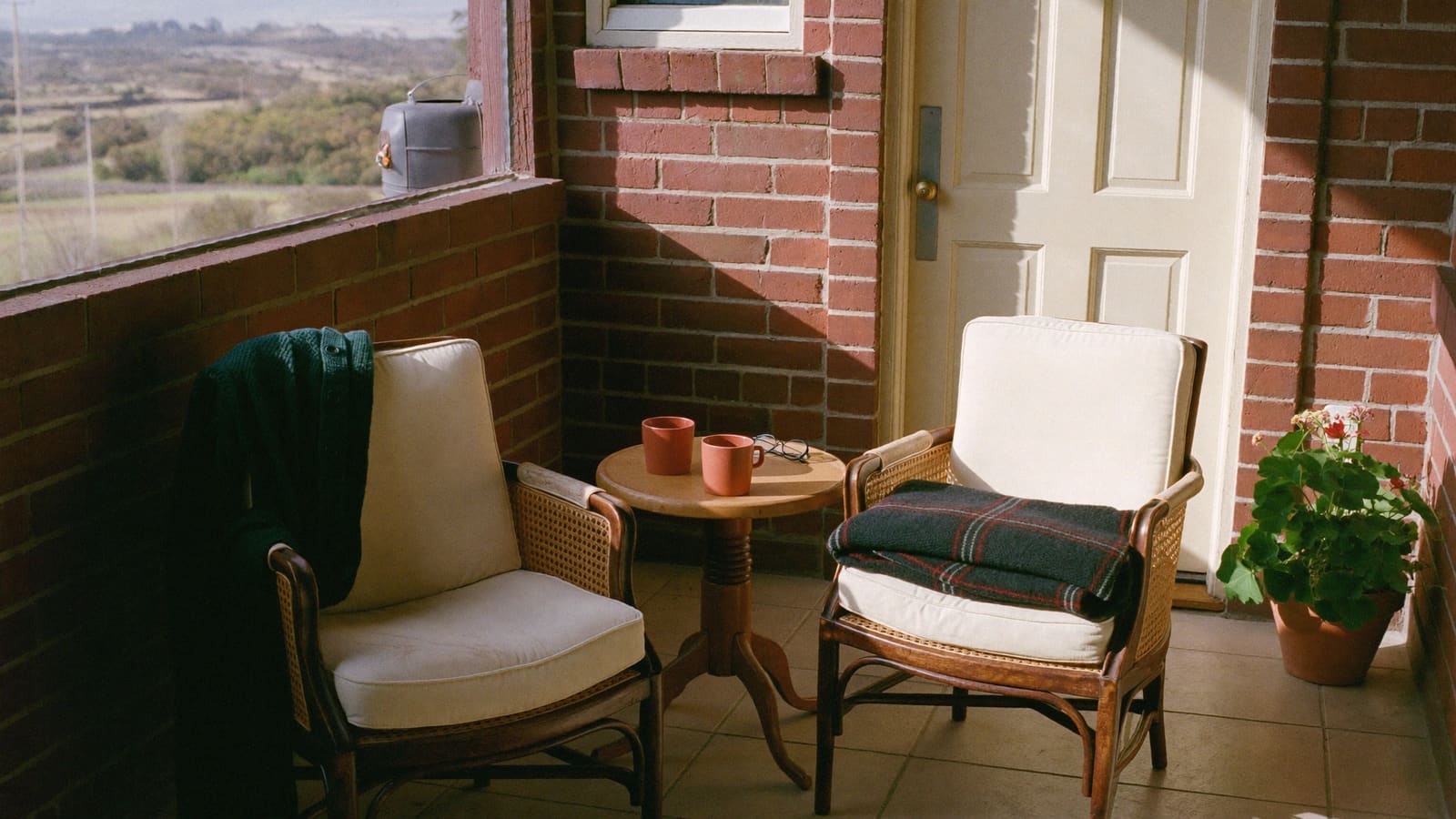
Illustrative. Does not depict Aldera clients or staff.
Most writing about family carers assumes the carer is a son or daughter. A great deal of caring in Australia is actually done by husbands and wives, often in their seventies and eighties, often with health problems of their own, and very often without ever describing themselves as a carer at all.
“I’m not a carer,” people say. “I’m his wife.”
That is true, and it is also part of what makes this kind of caring hard.
It is a different kind of caring
When an adult child helps a parent, there is usually some distance. They go home at the end of the day. When you care for a partner, there is no end of the day. The person who needs help is also the person you used to turn to when things were hard.
Roles shift in ways that can feel unfair to both people. The one who always did the finances can no longer follow a bank statement. The one who did the cooking for fifty years cannot safely use the stove. Each change is small, and each one is also a loss, and nobody holds a farewell for any of them.
There is grief in that, even while the person is sitting across the table. It is allowed.
Accepting help is not failing
Two things partners say again and again are “I should be able to manage” and “she would hate having someone in the house”.
Both are understandable, and both tend to hold on until something breaks: a fall, a hospital stay, or the carer becoming unwell themselves. Help arranged in a crisis is help arranged in a hurry, with less choice and less say.
Bringing someone in early is not handing over your marriage. It is protecting the parts of it that matter. If someone else helps with the shower three mornings a week, you get to be a husband at breakfast instead of a carer who is already tired.
Staying a couple
A few things worth protecting:
- Time that is not about care. A walk, a programme you both watch, the crossword. Even half an hour a day that nobody calls “care” keeps you in your old roles for a while.
- The private things. Some couples would rather a support worker helps with showering precisely so that it does not change things between them. Others would rather do it themselves. Neither is wrong.
- Decisions made together, for as long as that is possible. Ask, even when it would be quicker not to.
- Your own friends. Carers drift away from their own lives without noticing. A standing coffee once a week is worth defending.
Looking after yourself
You are not a back-up system. If you become unwell, there are two people needing care, not one.
Keep your own GP appointments. Tell your doctor that you are a carer, because it changes what they look for. Take respite before you think you need it, not after. And be honest with yourself about how you are going. Signs of carer burnout is a short self-check worth doing every few months.
Carer Gateway offers free support for unpaid carers, including counselling and help planning for what happens if you are suddenly unable to care. For in-home support for your partner, the starting point is an assessment through myagedcare.gov.au.
How we think about it
When we work with a couple, both people are part of the picture. The partner at home knows more than anyone else about what a good day looks like, and they are usually the first to notice when something is off. We write what they tell us into the One Story record once, so they are not explaining it again to every new face. The same small Care Circle comes each week, which matters a great deal to a person who never wanted strangers in the house in the first place.
The aim is not to take over. It is to take enough off the load that you can go on being married, not just managing.
Part of our The Aldera way guide.
Not sure where you fit?
Call us and a real person will talk it through, no obligation and no script.
Call 1300 998 928Common questions
Is there support specifically for older people caring for a partner?
Yes. Carer Gateway is the Australian Government's service for unpaid carers of any age, including partners. It offers counselling, coaching, peer support and help planning for emergencies. Your partner may also be eligible for in-home support and respite through My Aged Care, which is assessed on their needs.
My wife does not want strangers in the house. How do we start?
Small and specific usually works better than a big plan. One regular visit, for one task she finds tiring or you find hard, by the same person each time. Many people who resist the idea of 'carers' are fine with a familiar face who comes on Tuesdays to help with the shopping.
Will getting help mean my partner has to go into residential care?
No. In-home support exists to help people stay at home for longer, and getting it early, before the carer is exhausted, is often what makes staying at home possible. Our guide comparing staying at home and residential care covers the decision in more detail.
More blog
-
Blog
Grandchildren and a grandparent's care
Grandchildren often want to help when a grandparent starts needing care but do not know how. Practical ways for younger family to stay close and useful.
15 October 2026
-
Blog
Staying at home after losing a partner
When a husband or wife dies, the house changes overnight. Some gentle, practical thoughts on grief, routine and getting the right help at home.
7 October 2026
-
Blog
What a support worker notices
The bin that did not go out. The jumper worn two days running. Why the person who comes every week sees things a specialist appointment never will.
17 September 2026