Guides
What happens at a Home Medicines Review
The Aldera team Published 2 September 2026
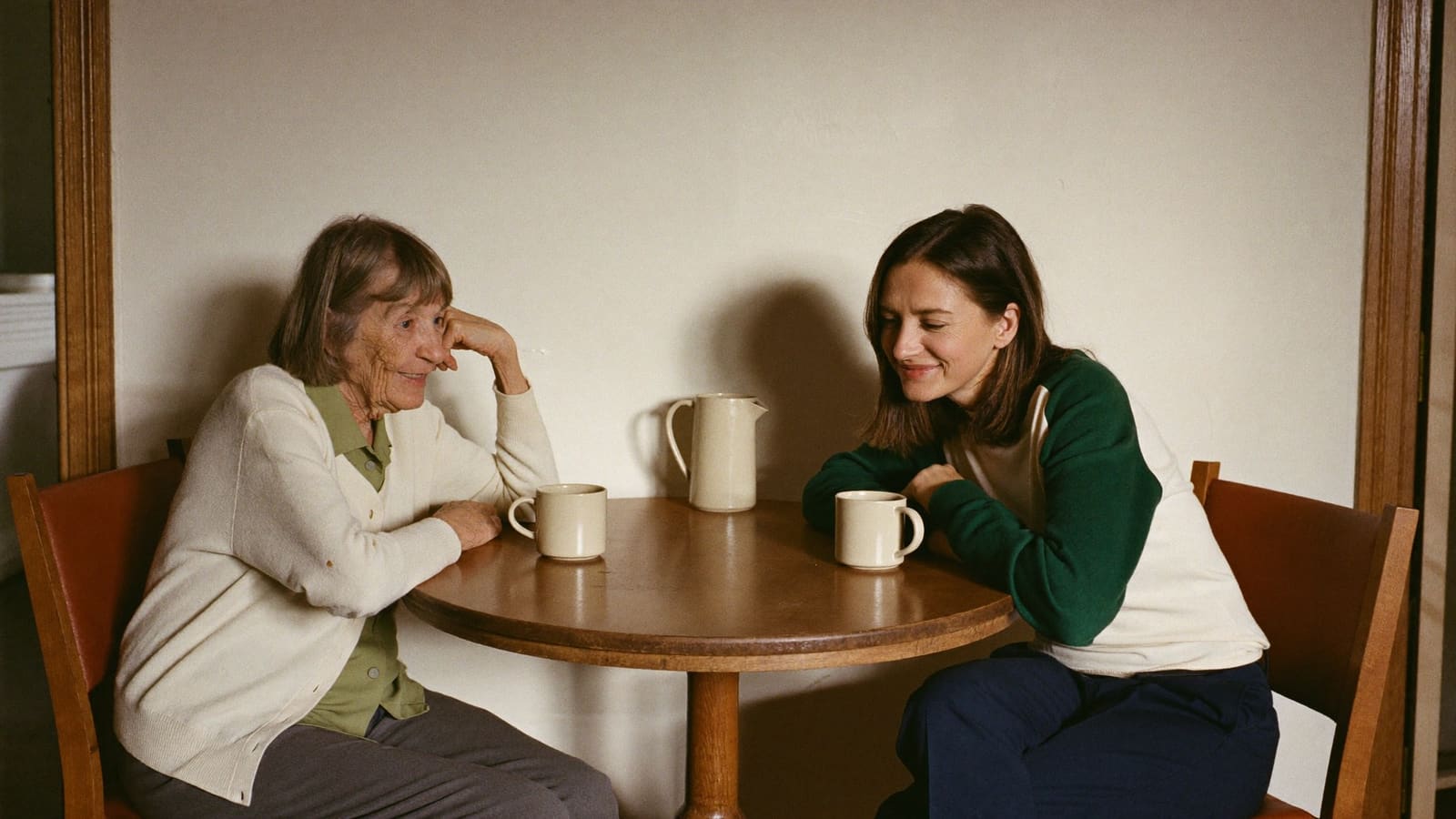
Illustrative. Does not depict Aldera clients or staff.
Most older people taking several medicines have never had anyone look at all of them at once.
That sounds unlikely, and it is completely routine. A cardiologist started one, a GP started two, a hospital added another and stopped something, and a specialist added one more. Each decision was sensible on its own. Nobody has since sat down with the whole set in front of them.
A Home Medicines Review is that missing appointment.
This is general information, not advice. Nothing here is a reason to change or stop a medicine. That is a decision for your doctor.
What it is
An accredited pharmacist visits you at home, goes through everything you take, and writes a report for your GP. Your GP then decides what, if anything, to change and talks it through with you.
The home visit is the important part. In a clinic you get the list you remembered. In a kitchen you get the shoebox, the two half-finished packets of the same thing under different brand names, the tablets from a specialist visit in 2023 that nobody told the GP about, and the eye drops that expired last winter.
Who it is worth doing for
Ask about it if any of these apply.
- Several regular medicines, particularly five or more
- Medicines started by more than one prescriber
- A recent hospital stay, which almost always changes something
- Falls, dizziness, drowsiness or confusion
- Difficulty managing the regime, or doses being missed or doubled
- A new diagnosis, or a medicine recently started or stopped
- Difficulty swallowing tablets
- Someone else now managing the medicines
Recent discharge from hospital is the highest-value trigger on that list, because the discharge summary and the medicine cabinet very often disagree. Our guide to coming home from hospital covers the rest of that fortnight.
How to prepare
Gather everything into one bag or box. Not a list. The actual items. Prescription medicines, over the counter medicines, vitamins, supplements, herbal remedies, creams, patches, drops, inhalers. Include things you have stopped taking but still have, and things you take only occasionally.
Check the unusual places. Bathroom cabinet, kitchen drawer, bedside table, handbag, the car, the shed. Duplicates hide in exactly these spots.
Write down what actually happens. Not the label instructions. What is genuinely taken, when, and what gets skipped. If the water tablet is skipped on days there is bowls, say so. That is not a confession, it is the most useful information in the room.
Note the side effects you have put up with. People routinely tolerate dizziness, poor sleep or a dry mouth for years without mentioning it because they assume it is age.
Have someone else there if it helps. A daughter who does the dosette box knows things the person does not.
What the pharmacist is looking for
Not whether you are taking them properly. They are checking the set as a set.
Interactions between medicines. Duplicates under different brand names, which are common and easy to miss. Doses that need adjusting because kidney function changes with age. Medicines with a poor risk profile for older people, particularly ones that cause sedation or unsteadiness. Things still being taken that were only ever meant to be short term. Whether the timing can be simplified. And whether the delivery method still suits, because a tablet that cannot be swallowed is a dose that is not taken.
They will also look at whether the packaging is manageable. A blister pack that cannot be opened by arthritic hands is a genuine clinical problem.
Afterwards
The pharmacist sends a report to your GP, and the GP goes through it with you and decides on changes. Ask for that follow-up appointment to be made, because this is the step that gets lost, and a review that never reaches a decision has achieved nothing.
Ask for an updated list once changes are made, and put it somewhere findable. Then throw out what has been stopped, properly, by returning it to a pharmacy rather than binning it.
What a support worker can and cannot do
Worth being precise about, because families often assume more than is true.
A support worker can prompt and remind, help you open packaging, get medicines and water to you, and notice and report that doses are being missed. They can help you get to the pharmacy and the GP.
A support worker cannot administer medicines, make decisions about doses, or give clinical advice. Administering medication is nursing work, and where that is needed it belongs with a registered nurse and it belongs written into the care plan. The distinction is set out in home nursing and support work, who does what.
What consistent support does add is observation over time. Somebody who sits at that table every week is the person who notices that the Thursday tablets are still in the pack, and that is very often what triggers the review in the first place.
For general medicines information and services, the Department of Health and Aged Care publishes current program detail. If you want the review chased up with the GP and the outcome built into a support arrangement, that is part of what we coordinate. Ring us and a person will answer.
Part of our Our services guide.
Not sure where you fit?
Call us and a real person will talk it through, no obligation and no script.
Call 1300 998 928Common questions
How do you get a Home Medicines Review?
Through your GP, who makes the referral. You cannot usually arrange one yourself, so the way in is to ask at your next appointment. It is a reasonable thing to request, particularly if you take several regular medicines, if they were started by different doctors, or if something has changed recently.
What should you have ready for the pharmacist?
Everything. Every packet, bottle, blister pack, inhaler, patch, eye drop, cream, vitamin, supplement and herbal remedy in the house, including the ones in the bathroom cabinet, the kitchen drawer and the handbag. Also anything bought over the counter. The point of a home visit is to see what is actually there rather than what is on a list.
Does the pharmacist change your medications?
No. The pharmacist reviews and writes recommendations, and your GP decides what to change. Nothing about your medicines should change because of the visit itself, and you should keep taking everything as prescribed until your doctor tells you otherwise.
More guides
-
Guides
Drinking enough water in later life
Why older people drink less without noticing, the signs of dehydration to watch for, and small habits that make drinking easier at home.
15 October 2026
-
Guides
Recognising elder abuse and where to get help
The forms elder abuse takes, the quiet signs families and workers notice, and who to contact in NSW if you are worried about an older person.
15 October 2026
-
Guides
Talking to a parent about giving up driving
Signs driving is getting harder, how to raise it without a fight, who can give an independent view, and how to keep a parent getting out once the keys go.
15 October 2026