Resources
Hearing and vision: the checks people skip
The Aldera team Published 2 September 2026
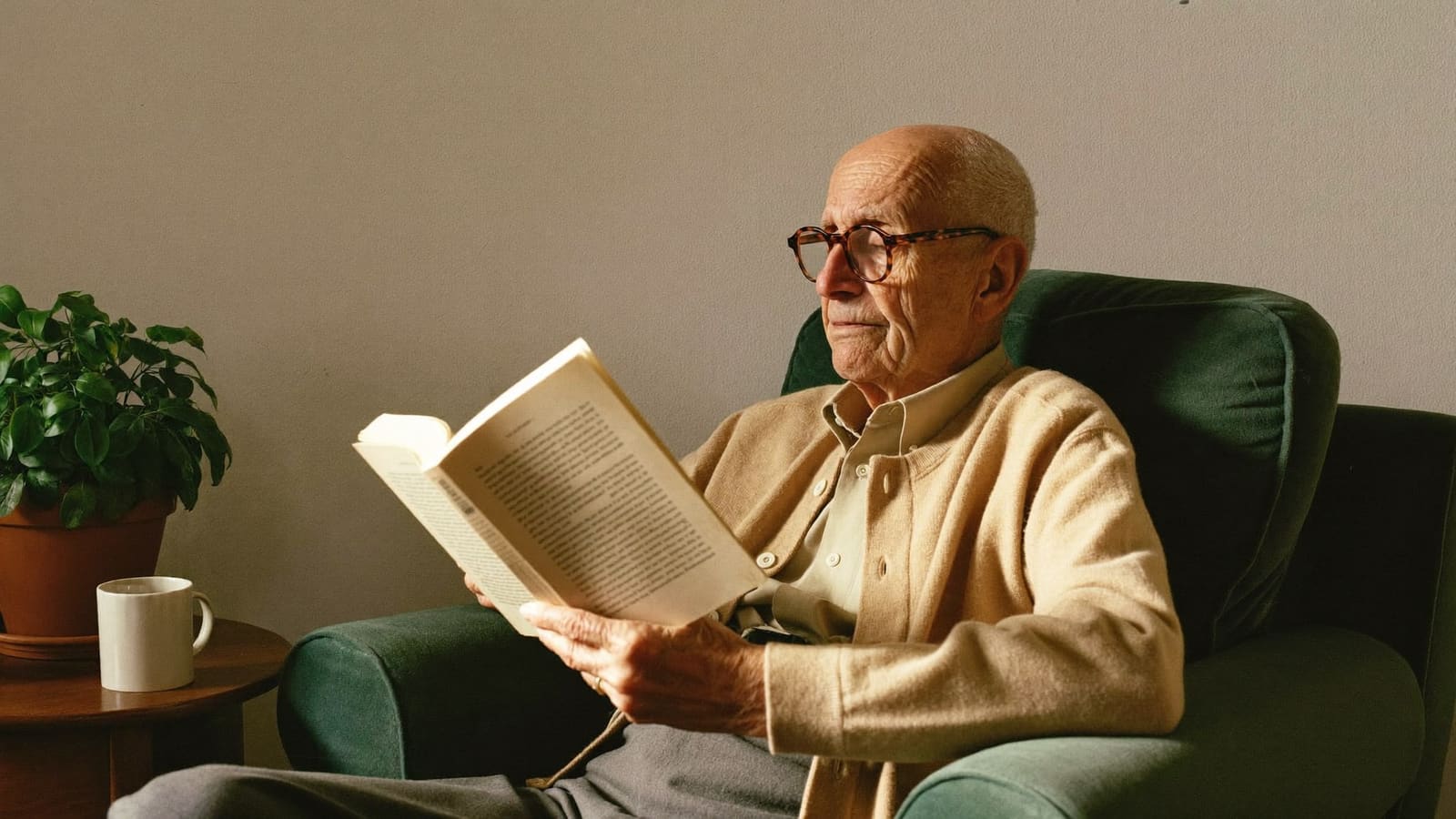
Illustrative. Does not depict Aldera clients or staff.
These are the two most boring items on any aged care list and two of the most consequential, because both quietly cause problems that get blamed on something else.
Poor vision causes falls. Poor hearing causes isolation and looks like confusion. Both are largely correctable, and both go untreated for years.
This is general information, not advice. Changes in sight or hearing should be assessed by a clinician.
Why it matters more than it sounds
Vision and falling. If you cannot judge the edge of a step, the change from carpet to tile, or the kerb in poor light, you are far more likely to go down. A great deal of falls prevention is really lighting and glasses.
Hearing and withdrawing. Following a conversation with several people in it is hard work with reduced hearing, and exhausting work gets avoided. People stop going to the club, stop answering the phone, and stop contributing at the table. From the outside that looks like a personality change or the beginning of dementia. Our piece on loneliness and companionship covers the consequences.
Both and apparent confusion. Someone who mishears the question gives the wrong answer. Do that a few times in front of family and a conclusion starts forming. Check the senses before you accept a story about memory.
What to book
An eye test with an optometrist, every one to two years, and promptly if anything has changed. They check sight, prescription, and for the conditions that matter most in later life: cataract, glaucoma, macular degeneration and diabetic eye disease. Cataract in particular is worth pursuing, because it is common, correctable, and its effect on falls and confidence is substantial.
A hearing check, with a low threshold for asking. Audiologists assess hearing and fit and tune hearing aids. There are also government hearing services programs for eligible people, including pensioners and eligible veterans, and it is worth asking what you qualify for.
Both raised with the GP, who can advise on eligibility, refer where needed, and check for causes such as ear wax, which is dull and extremely common and can be resolved in one appointment.
The tells worth watching for
Hearing. The television creeping louder. Asking for things to be repeated. Answering a slightly different question. Struggling in groups and on the phone in particular. Withdrawing from social things they used to enjoy. Saying everyone mumbles now.
Vision. Hesitating at steps and kerbs. Holding reading further away, or giving up reading. Trouble in dim light. Bumping into things on one side. Missing spots when cleaning. Glare being unbearable. Colours looking washed out. Any sudden change, new floaters, flashes, or loss of part of the field of view, is urgent and should be acted on the same day.
What to do between appointments
Most of this costs very little and works immediately.
For vision. More light, particularly on stairs, at the back door and between bed and bathroom. Contrast at the edges of steps. Clean the glasses, which sounds trivial and is not. Keep the right glasses in the right place, and be aware that walking around in reading glasses is a genuine fall risk. Take up patterned rugs, which confuse depth perception.
For hearing. Face the person, get their attention first, and slow down rather than raising your voice. One conversation at a time, and turn off the radio while talking. Choose the quiet corner of the cafe. Amplified phone handsets and television listening devices are inexpensive and make a real difference. And if there are hearing aids, check the batteries and whether anyone has actually shown the person how to clean them.
Hearing aids, honestly
They are frequently abandoned, and the reasons are consistent enough to be worth listing.
They were never tuned properly after the first fitting, so everything is either too loud or useless. Nobody taught the person, or their family, how to insert, clean and change batteries. The person expected their hearing back and got amplified traffic noise instead, and quit during the adjustment weeks. Or arthritic fingers cannot manage a tiny battery door.
Every one of those has a fix, and all of them involve going back to the audiologist rather than giving up. Tuning is meant to be iterative. If a set is sitting in a drawer, that is a reason for an appointment, not a write-off.
Where support work fits
Practical and useful. A support worker can get someone to appointments, which is often the actual barrier, and our transport support covers that. They can prompt and help with hearing aid batteries and cleaning where that is in the plan, keep glasses clean and in the right place, make sure lights get switched on before dusk, and notice and report that someone is struggling.
They cannot test hearing or sight, fit aids or advise on prescriptions. What they add is noticing. Someone who is in the house weekly is the one who spots that the television is louder than it was last month, and that observation is usually what starts the whole process.
For what else is available at home, see allied health at home. Current information is at myagedcare.gov.au. If you want the checks booked and someone to get them there, that is part of what we coordinate. Ring us and a person will answer.
Part of our Our services guide.
Not sure where you fit?
Call us and a real person will talk it through, no obligation and no script.
Call 1300 998 928Common questions
How often should an older person have their eyes and ears checked?
As a general rule an eye test every one to two years, and sooner if anything has changed, with more frequent review for people with diabetes, glaucoma or macular degeneration. For hearing, a check whenever there is any suspicion of change, and a low threshold for asking, because hearing loss is gradual and the person is usually the last to notice.
Can hearing loss look like dementia?
It can, and this is one of the most useful things a family can know. Someone who cannot hear misses questions, answers the wrong thing, withdraws from conversation and appears vague or confused. That pattern is easily read as cognitive decline. Checking hearing and vision before drawing conclusions about memory is worth doing every time.
Why do hearing aids end up in a drawer?
Usually because they were never properly fitted and tuned, because nobody was shown how to use and maintain them, or because the person expected normal hearing back and gave up during the adjustment period, which genuinely takes weeks. All three are fixable, and it is worth going back rather than writing the aids off.
More resources
-
Resources
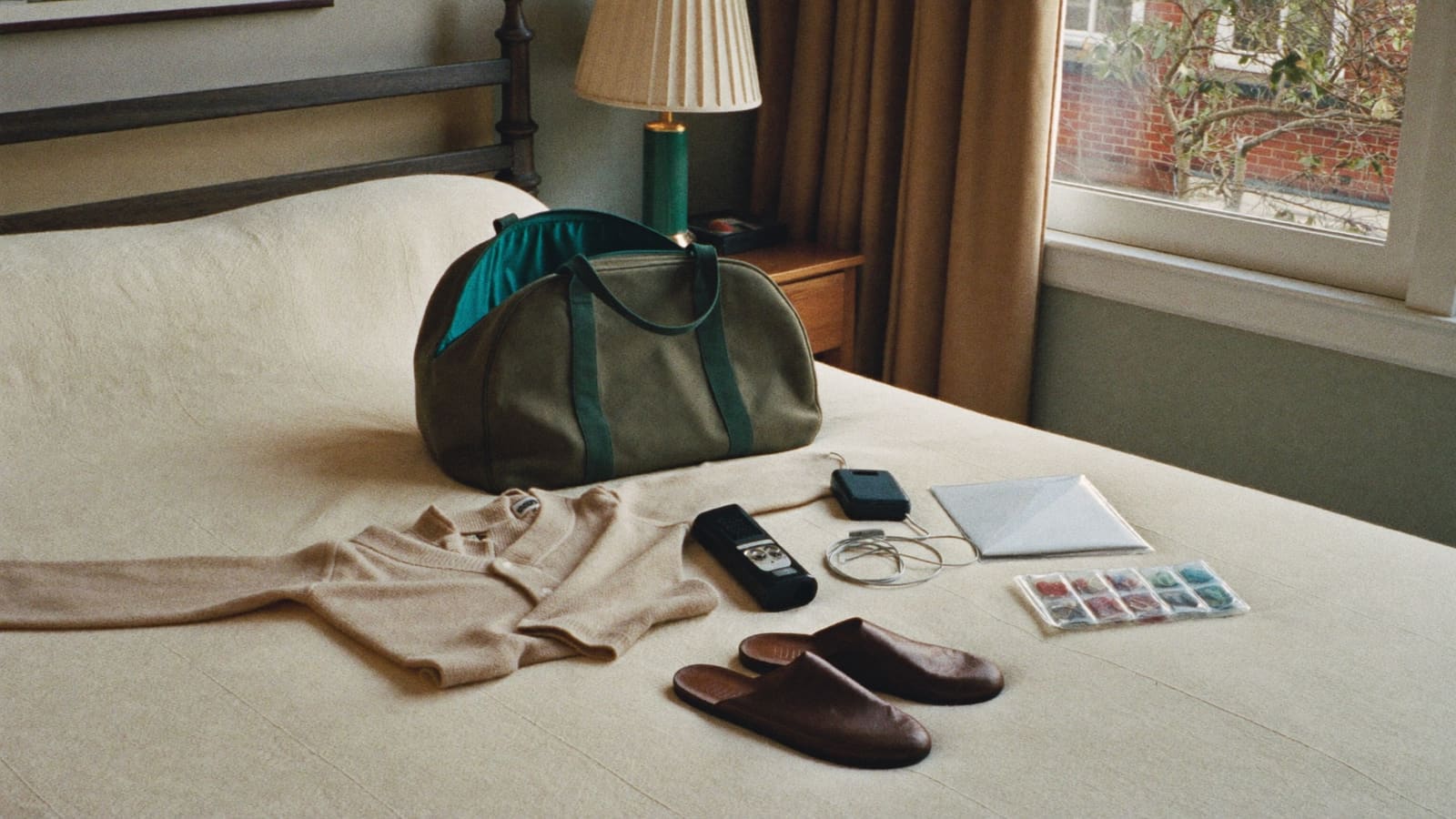
An emergency grab bag checklist
What to pack in a grab bag for an older person, for a fire, flood, power cut or sudden hospital trip, and how to keep it up to date.
15 October 2026
-
Resources
Protecting an older parent from scams
A practical checklist for families to help an older person spot scams, set up simple safeguards and know what to do if money has already been lost.
7 October 2026
-

Resources
Questions to ask about a new medicine
A short list to take to the GP or pharmacy whenever a new medicine is started, so you leave knowing what it is for, how to take it and what to watch for.
5 October 2026