Blog
Loneliness and ageing
The Aldera team Published 29 August 2026
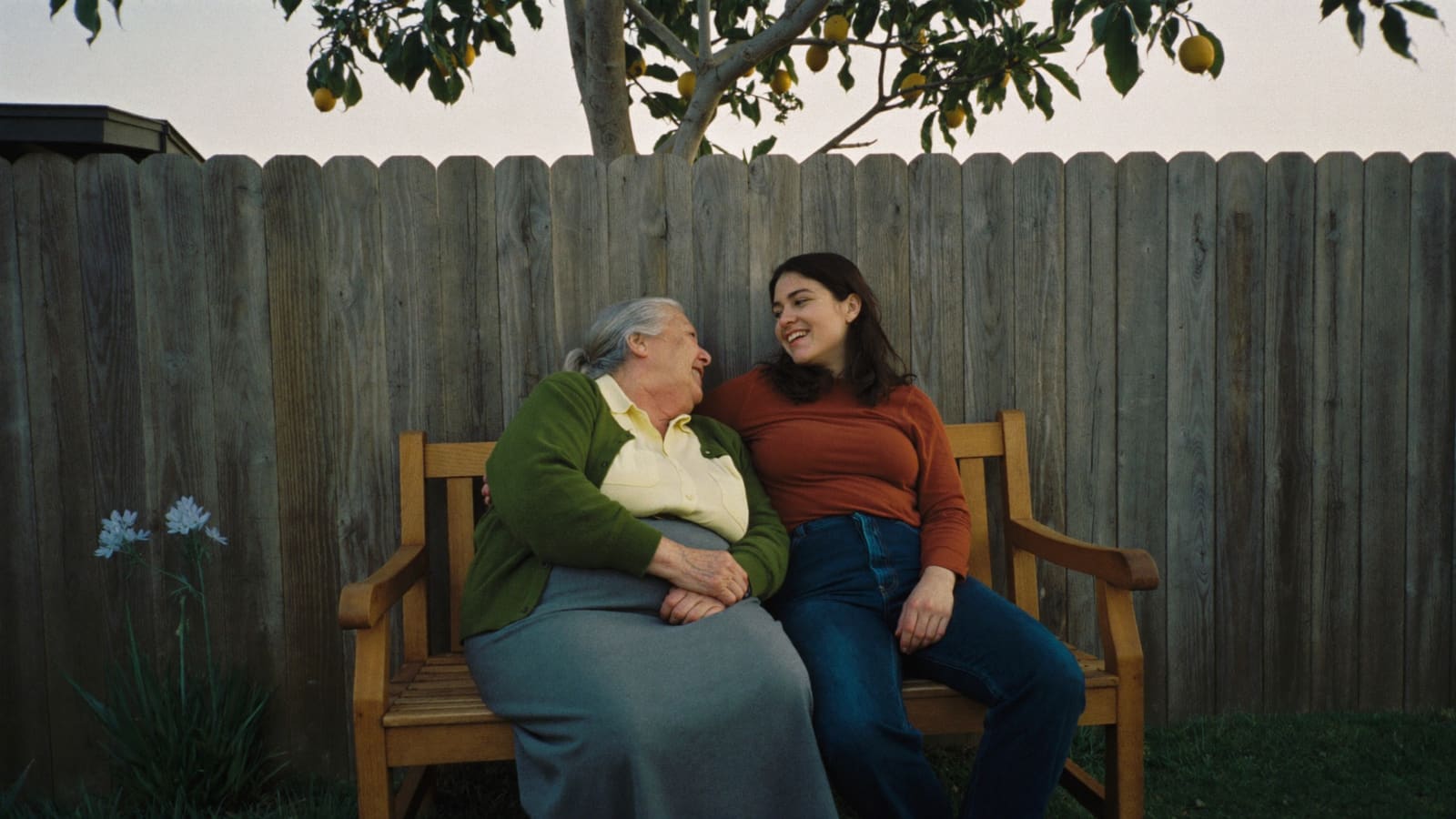
Illustrative. Does not depict Aldera clients or staff.
Ask an older person living alone what they miss and very few will say company. They will say they are fine. Then they will keep you at the door for twenty minutes talking about the weather.
Companionship is the part of home care that gets treated as the soft extra. It is described in brochures with words like “social support” and it is the first thing cut when hours are tight. For a lot of people it is quietly doing the most work.
This is general information, not health advice.
What actually goes missing
Loneliness in later life is rarely one dramatic loss. It is an accumulation of small subtractions, most of which happen without anyone deciding.
Work ends, and with it the twenty incidental conversations a week nobody counted. Friends die or move closer to their own children. Driving stops, and the shops and the club become a logistics problem rather than an outing. Hearing gets harder, so group conversation becomes tiring and gets avoided. A partner dies, and the person who was there for every ordinary hour is gone.
None of those are described as loneliness. They are described as getting older. But the result is a week that can pass with no unhurried conversation in it.
Why it counts as care and not as decoration
The practical argument is simple. The person who talks to someone regularly is the person whose changes get noticed.
Someone who has a real conversation with an older person every week hears that the sleeping has gone wrong. Notices that a name has gone missing. Sees that the mood has flattened, or that the same story is being told three times in an hour. Registers that the daughter has not rung.
A visit that is only tasks does not surface any of that. You can shower someone and clean their bathroom in silence and leave knowing nothing. Which is why the conversation is not a break from the work. Quite often it is the part of the visit that catches something.
There is a second argument, less measurable and more important. A life that contains only being helped is a diminished life. If every person who enters the house is there to do something to you, something has gone wrong with the shape of the week.
The trouble with “they say they are fine”
Almost everyone says they are fine. Partly pride, partly not wanting to be a burden, partly because “I am lonely” is a hard sentence to say to your own children.
What tends to work better than asking directly:
- Attach company to a task they have already accepted. A lift to the appointment, help with the shopping, a hand in the garden. The conversation happens alongside it, and nobody has to call it a visit.
- Make it regular and unremarkable. Same person, same time, every week. It becomes part of the week rather than an event that needs a reason.
- Follow their thing, not a generic activity. The cricket, the garden, the news from back home, the grandchildren. Activities designed for older people in general are for nobody in particular.
- Do not over-programme it. Some of the best hours are a cup of tea and not much happening.
Why the same face matters more here than anywhere
You cannot have a relationship with a roster.
Companionship is the one part of home care that is completely destroyed by churn, because the entire value is accumulated familiarity. A stranger who sits with you for an hour is doing something kind. Someone who has sat with you for a year knows what you told them last month, and can ask about it.
That is why our Care Circle is a small group rather than whoever is free, and why what people tell us lives in One Story rather than in one worker’s memory. Our piece on the hidden cost of carer churn covers what happens when it goes the other way.
Where the honest line is
Paid companionship is not a substitute for family, and we would not pretend otherwise. A support worker is not a daughter and is not a forty-year friendship.
What it can be is a reliable, warm, regular presence in a week that has too few of them, and a set of eyes on someone that nobody else has. That is worth something on its own terms.
If the person you are worried about is not ready for help with the body or the housework, company is very often the easiest place to start, because it is the least confronting. Our guide on the signs it might be time for help covers what to watch for, and social support explains what this actually looks like as a service.
For carers who are isolated themselves, and many are, Carer Gateway is on 1800 422 737.
Or get in touch and talk it through with a person.
Part of our The Aldera way guide.
Not sure where you fit?
Call us and a real person will talk it through, no obligation and no script.
Call 1300 998 928Common questions
Is companionship actually part of aged care, or just a nice extra?
It is a recognised service type. Social support and companionship sit alongside personal care and domestic assistance, and can be funded where they are part of your assessed needs. It is not an optional add-on you have to pay for separately.
My parent says they are fine and do not want visitors. What then?
Very common, and pushing rarely works. What tends to work is attaching company to something practical they have already accepted, such as help with the shopping or a lift to an appointment, so the company arrives alongside a task rather than as an event.
Can a support worker just sit and talk?
Yes, and with some people that is the most valuable hour of the week. It is more often a conversation while something else happens, over a cup of tea, on a walk, in the car. General information only, not health advice.
More blog
-
Blog
Grandchildren and a grandparent's care
Grandchildren often want to help when a grandparent starts needing care but do not know how. Practical ways for younger family to stay close and useful.
15 October 2026
-
Blog
Staying at home after losing a partner
When a husband or wife dies, the house changes overnight. Some gentle, practical thoughts on grief, routine and getting the right help at home.
7 October 2026
-
Blog
When your husband or wife becomes your carer
Caring for a partner is not like caring for a parent. Staying a couple, accepting help without feeling you have failed, and looking after yourself.
5 October 2026