Blog
Signs it might be time for a little help at home
The Aldera team Published 26 August 2026

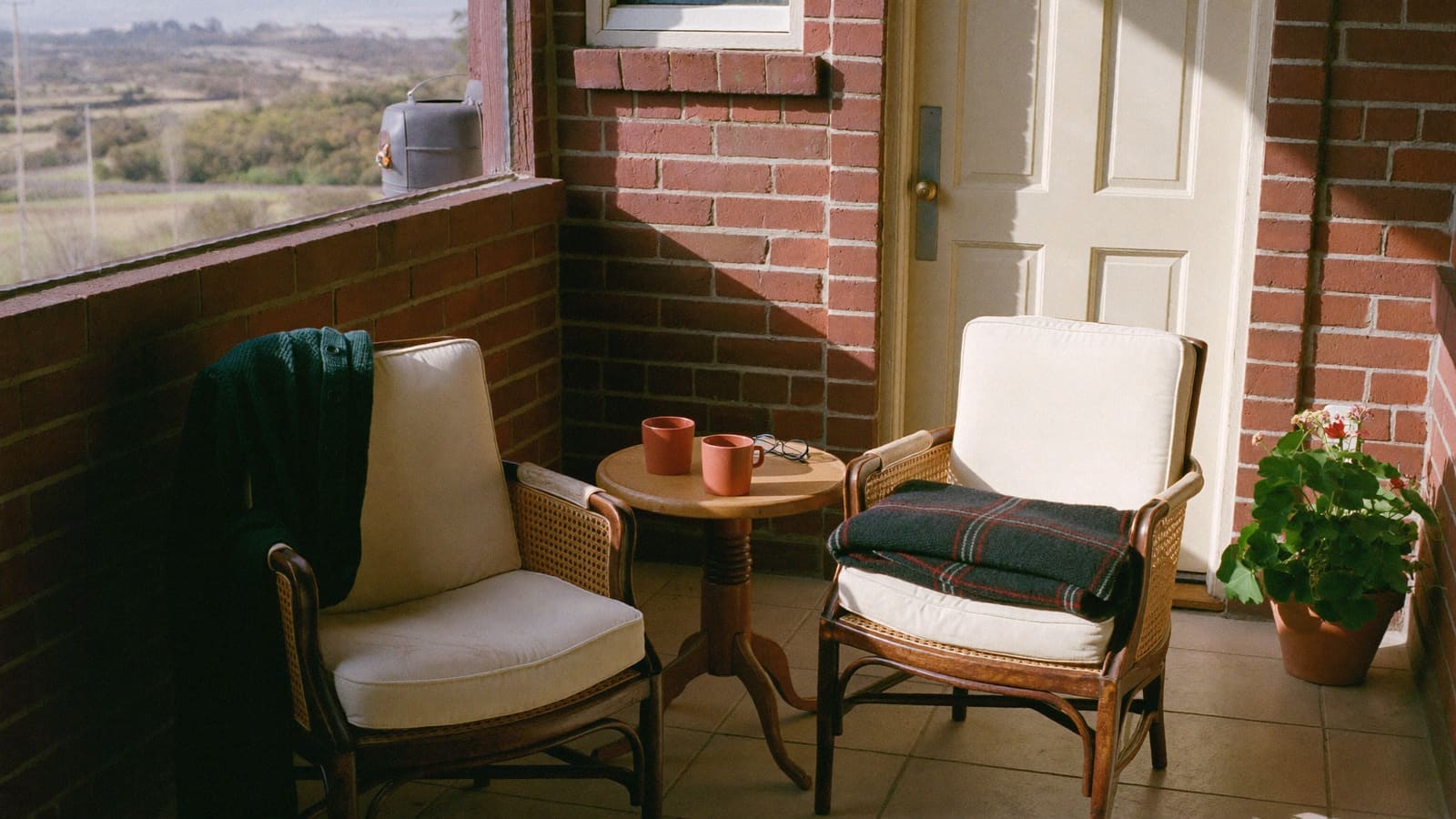
Illustrative. Does not depict Aldera clients or staff.
It is rarely one dramatic moment. More often it is a slow accumulation of small things you notice on visits, and then wonder if you are imagining.
The quiet signs
None of these on their own means much. A pattern of several usually does:
- The fridge tells a story. Less fresh food, more of the same easy meals, or things past their date.
- The house is slipping. Not messy exactly, but not kept the way it always was.
- Mail and admin pile up. Unopened letters, missed bills, appointments forgotten.
- Getting out is harder. Driving less, or not at all, and the world getting smaller as a result.
- The body is telling you. Unsteadiness, a fall they mentioned lightly, weight loss, clothes hanging differently.
- The spark dims. Skipping bowls, church, the card game, the things that used to be non-negotiable.
Why it is worth acting early
The instinct is to wait for a crisis. But a little help early, before a fall or a hospital stay, is exactly what keeps someone in their own home for longer. Support at Home can fund help with meals, cleaning, transport, personal care and simple companionship, well before needs become acute.
Raising it, kindly
The conversation goes better when you lead with independence, not loss. Not “you can’t manage” but “let’s get a bit of help so you can stay here, doing things your way.” Involve them in every choice. It is their home and their life.
It also helps enormously if the help is not a parade of strangers. One of the reasons people resist support is the thought of unfamiliar faces in their home. A small, consistent Care Circle removes that objection almost entirely.
If you are noticing the signs and are not sure what to do next, call us. We will talk it through, with no pressure, and help you understand the options, even if you are months away from needing anything.
This is general information, not medical advice. If you are worried about someone’s immediate safety, speak with their GP.
Part of our Our services guide.
Not sure where you fit?
Call us and a real person will talk it through, no obligation and no script.
Call 1300 998 928Common questions
How do I know if my parent needs help at home?
Look for quiet changes rather than one dramatic event. Less cooking, a less-tidy home, missed appointments, unopened mail, weight loss, or withdrawing from things they used to enjoy. A pattern of small changes usually says more than any single one.
How do I raise it without upsetting them?
Lead with independence, not decline. Frame help as the thing that keeps them in their own home and their own routine, and involve them in every decision rather than deciding for them.
More blog
-

Blog
Grandchildren and a grandparent's care
Grandchildren often want to help when a grandparent starts needing care but do not know how. Practical ways for younger family to stay close and useful.
15 October 2026
-

Blog
Staying at home after losing a partner
When a husband or wife dies, the house changes overnight. Some gentle, practical thoughts on grief, routine and getting the right help at home.
7 October 2026
-
Blog
When your husband or wife becomes your carer
Caring for a partner is not like caring for a parent. Staying a couple, accepting help without feeling you have failed, and looking after yourself.
5 October 2026