Blog
The hidden cost of carer churn
The Aldera team Published 28 August 2026
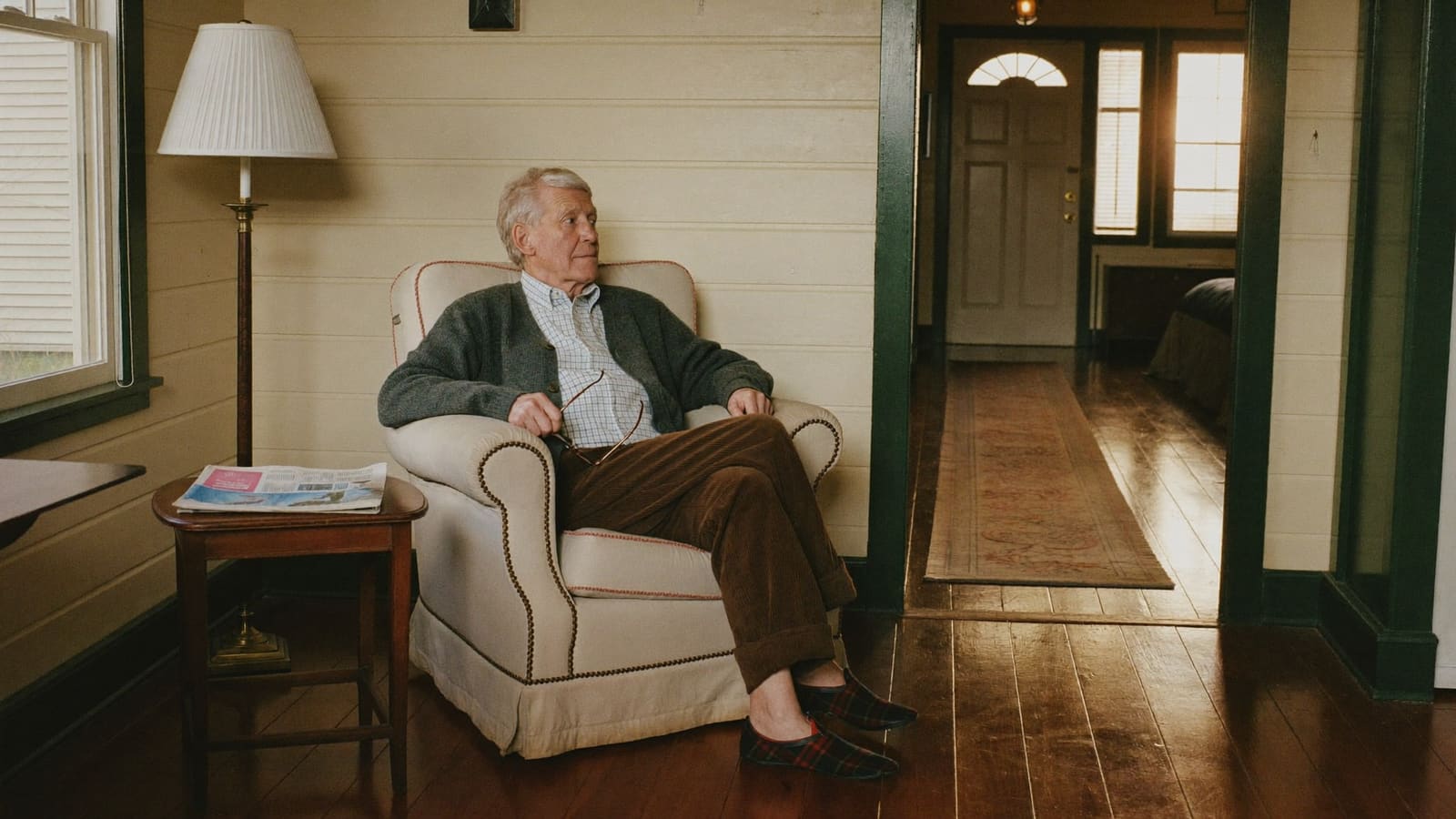
Illustrative. Does not depict Aldera clients or staff.
Ask a family what went wrong with their last home care provider and you rarely hear about clinical failures. You hear a version of this: we never knew who was coming.
It sounds like a comfort issue. A preference. Something to put up with in exchange for the help. It is not, and the reasons are worth setting out plainly.
What actually gets lost
The baseline. A worker who has been in the house twenty times knows what normal looks like. They notice that the walking has changed, that the fridge is fuller than it should be, that the mail is piling up, that the bruise on the forearm was not there last week. A worker on their first visit sees a snapshot and has nothing to compare it against. Almost every early warning in home care comes from noticing a change, and you cannot notice a change without a baseline.
The unwritten half of the care plan. Care plans capture the tasks. They do not capture that he will not take his tablets without something to eat, that she needs the hallway light on before she will get up in the night, that the back door sticks and startles her when it gives. That knowledge lives in the person who has been there, and every time the roster changes it leaves the house.
Dignity. Being helped to shower is manageable when it is someone you know. Being helped to shower by a stranger, again, is something people quietly refuse. They start saying they are fine, they had one yesterday, they will do it tomorrow. The service is technically being delivered and the person is going without.
Time. Half of a one hour visit can disappear into orientation. Where things are kept, how the routine runs, what the person can do themselves. The family ends up delivering that briefing over and over, which is the opposite of the relief they were buying.
Trust. This is the one that ends arrangements. People stop reporting the small problems because they do not know who to report them to, and there is no relationship to make it worth the awkwardness. Then a small thing becomes a large one, and the family concludes home care does not work.
Why it happens
It is almost never because a provider does not care. It is a design consequence.
When shifts are allocated to whoever is available, and staff turnover is high, churn is the mathematically certain result. The roster is optimised to be filled, not to be matched. Add to that a workforce with high turnover across the sector, and the client experiences the whole thing as a stream of strangers.
Which is to say the fix is not asking workers to try harder. It is building the arrangement differently in the first place.
What we do about it
Aldera is built around a small Care Circle rather than an open roster. A handful of people who know you, with one Care Lead accountable for how the arrangement runs and who you can actually reach.
Behind it sits One Story: a single record that holds the tasks and the unwritten half. How you take your tea. Which door sticks. That your daughter rings on Sundays and you would rather not have a visit then. When someone covers a shift, they arrive already knowing, rather than starting from nothing.
We are not going to claim you will only ever see one face. People take leave, get sick and move on, and any provider who promises otherwise is telling you something they cannot deliver. What we will say is that a change should be rare, introduced rather than sprung on you, and covered by someone already in your circle.
How to test a provider on this
The answers to these questions vary far more than the brochures do.
- How many different workers came to the average client’s door last month?
- Who covers when my regular person is on leave, and will I meet them first?
- What is your staff turnover, and how long has the average worker been with you?
- Where does my routine live, and who can see it?
- Who do I ring when something is not right, and will I get the same person?
Our questions to ask a provider has the full list, and our guide on choosing a provider covers what to do with the answers. If you are comparing providers on price alone, worth reading what in-home care costs first, because the cheapest hour is often the one with the highest churn behind it.
The part that does not show up on an invoice
The measurable cost of churn is wasted hours and repeated briefings. The real cost is that people stop asking for help, and the arrangement that was meant to keep someone at home quietly stops working.
Consistency is not a nice touch on top of the care. Past a certain point, it is the care.
If you want to talk about how this would actually run for your family, get in touch. A real person answers.
Part of our The Aldera way guide.
Not sure where you fit?
Call us and a real person will talk it through, no obligation and no script.
Call 1300 998 928Common questions
Why do home care providers send different workers each week?
Usually because they roster to fill shifts rather than to match people. When staff turnover is high and shifts are allocated by availability, whoever is free gets the visit. It is efficient for the roster and expensive for everyone else.
Can I ask for the same carer every time?
You can ask, and you should ask before you sign anything. The useful question is not whether they will try, it is how many different workers came through the average client's door last month, and what happens when your regular person is on leave.
Is some change unavoidable?
Yes. People take leave, get sick and move on. The difference is between a small group who all know you, where a change means someone familiar covers, and an open roster where a change means a stranger.
More blog
-

Blog
Grandchildren and a grandparent's care
Grandchildren often want to help when a grandparent starts needing care but do not know how. Practical ways for younger family to stay close and useful.
15 October 2026
-
Blog
Staying at home after losing a partner
When a husband or wife dies, the house changes overnight. Some gentle, practical thoughts on grief, routine and getting the right help at home.
7 October 2026
-
Blog
When your husband or wife becomes your carer
Caring for a partner is not like caring for a parent. Staying a couple, accepting help without feeling you have failed, and looking after yourself.
5 October 2026