Resources
Staying safe at home in heat and cold
The Aldera team Published 4 September 2026
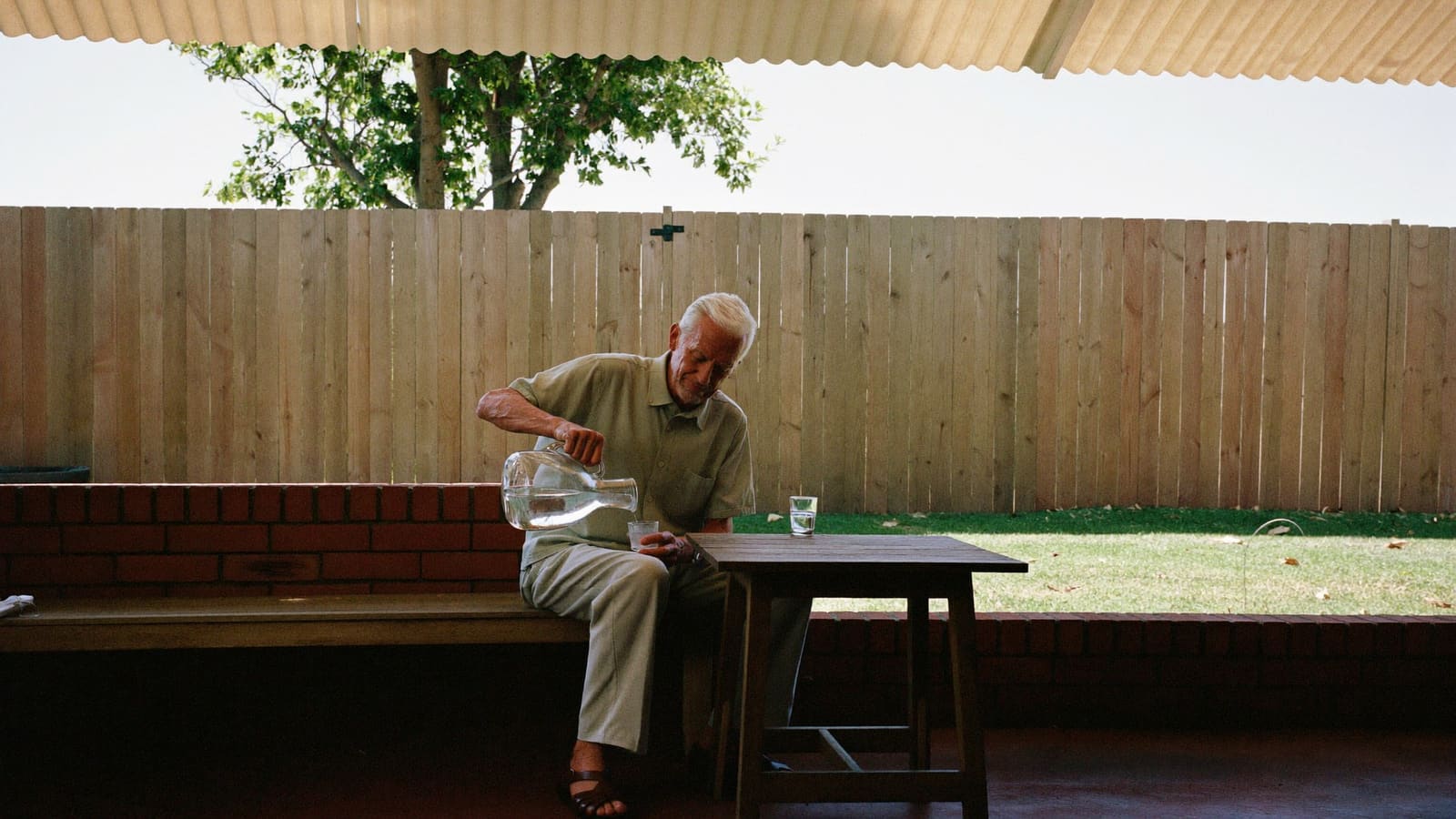
Illustrative. Does not depict Aldera clients or staff.
Australian houses swing a long way in both directions, and the people most affected are often the ones least likely to complain about it. Heat in particular does harm quietly: the body’s thirst signal and its ability to shed heat both change with age, so someone can be in real trouble without feeling especially hot.
This is a checklist, not medical advice. If someone is unwell, ring their doctor, and in an emergency ring Triple Zero (000).
Before the hot weather arrives
Do this at the start of summer, not on the morning of the first forecast scorcher.
- Work out which room in the house is coolest and set it up as the room to sit out the worst of the day in.
- Check the fans and the air conditioner actually work, and that someone knows how to use the remote.
- Fit or repair blinds, curtains or awnings on the windows that get the afternoon sun.
- Ask the GP or pharmacist at the next visit whether any current medications need extra care in the heat, and how they should be stored.
- Agree who rings, and at what time of day, when it is going to be hot.
- Check the freezer has a few ready meals in it, so nobody has to cook on a bad day.
On a hot day
- Drink through the day rather than waiting to feel thirsty. Keep a filled jug in sight, because a jug on the bench gets used and a tap does not.
- Close up the house early. Blinds and curtains down on the sunny side before the heat arrives, windows opened again in the evening when the outside air is cooler.
- Stay in the cool room. A fan alone is much less effective once the air itself is very hot, so a cool room, a cool shower or a wet towel on the neck do more.
- Move the outings. Shopping and appointments to early morning, nothing in the afternoon.
- Eat lighter and cold. Cooking heats the house and appetite drops anyway.
- Never leave anyone sitting in a parked car, even briefly.
Signs to act on: dizziness, confusion, unusual drowsiness, headache, nausea, cramps, a fast pulse, or hot dry skin with little sweat. Confusion is the one people miss. Cool the person down, give fluids, and ring for help. If they collapse, cannot be roused or are badly confused, ring Triple Zero (000).
When it turns cold
Cold does its damage more slowly, and mostly indoors. A house that sits cold for days is a real health risk, and the two things that keep people in cold houses are the power bill and not wanting to make a fuss.
- Heat the room being used and close the doors to the ones that are not, rather than trying to heat the whole house.
- Check the heater before the first cold night. Anything gas should be serviced and never used in a closed room without ventilation.
- Electric blankets: check the cord and the controller for damage each year, do not leave one on all night, and never use one with a wheat bag or a hot water bottle at the same time.
- Dress in layers indoors, and keep the feet warm, because cold feet on hard floors are a slipping risk as well as a misery.
- Watch the dark mornings. More falls happen in winter simply because it is dark at the hours people are getting up. A lamp within reach of the bed and a light on the hallway are cheap fixes, and there are more of them in our home safety checklist.
- Keep eating properly. Appetite and fluids both drop in winter, and dehydration does not stop being a risk when it is cold.
Signs to act on: shivering that stops without the person warming up, slurred speech, unusual clumsiness, confusion or drowsiness. Cold that has gone too far looks like tiredness, not like distress.
Have a plan for the power going out
Hot days and storms are exactly when the power fails, and it takes out the air conditioner, the heating, the medication fridge and sometimes the phone.
Know where the torches are and check them each season. Keep a charged power bank for the mobile. Register with your electricity provider if someone in the house depends on power for medical equipment, because retailers keep a life support register and it changes how they treat an outage at that address. And keep the key numbers written down rather than only in a phone, which our one-page emergency sheet is designed for.
Agree who checks in
The single most useful item on this page is a person.
Decide in advance who rings on the very hot and very cold days, and at what time. Make it specific, because “we’ll keep an eye out” is nobody. If a support worker already visits, ask for the visit to move to the cool part of the day during a heatwave and for someone to check the fluids and the fans while they are there. At Aldera that sits with the Care Lead and gets written into One Story, so it is not left to whoever happens to be on. Our page on the Aldera way explains how that works.
For general aged care information and to arrange support, see myagedcare.gov.au, and your state or territory health department publishes its own hot and cold weather advice each season.
Part of our Our services guide.
Not sure where you fit?
Call us and a real person will talk it through, no obligation and no script.
Call 1300 998 928Common questions
Why is extreme heat more dangerous for older people?
The body's ability to shed heat and to register thirst both change with age, so someone can become dangerously overheated without feeling especially hot or especially thirsty. Some common medications and health conditions add to it. That is why a plan made in advance works better than waiting for someone to say they are uncomfortable.
What are the warning signs of heat stress?
Dizziness, confusion or unusual drowsiness, a headache, nausea, cramps, a rapid pulse, or skin that is hot and dry with little sweating. Confusion in particular is a reason to act rather than to wait. If someone is confused, collapses or cannot be roused, ring Triple Zero (000). This is general information, not medical advice.
Can a home care provider help during a heatwave?
Yes, and it is worth arranging before the hot weather rather than during it. Visit times can move to the cool part of the day, a worker can check the fans and the fluids, shopping and appointments can be shifted, and someone can ring on the worst days. Ask your provider what their hot weather plan is.
More resources
-
Resources
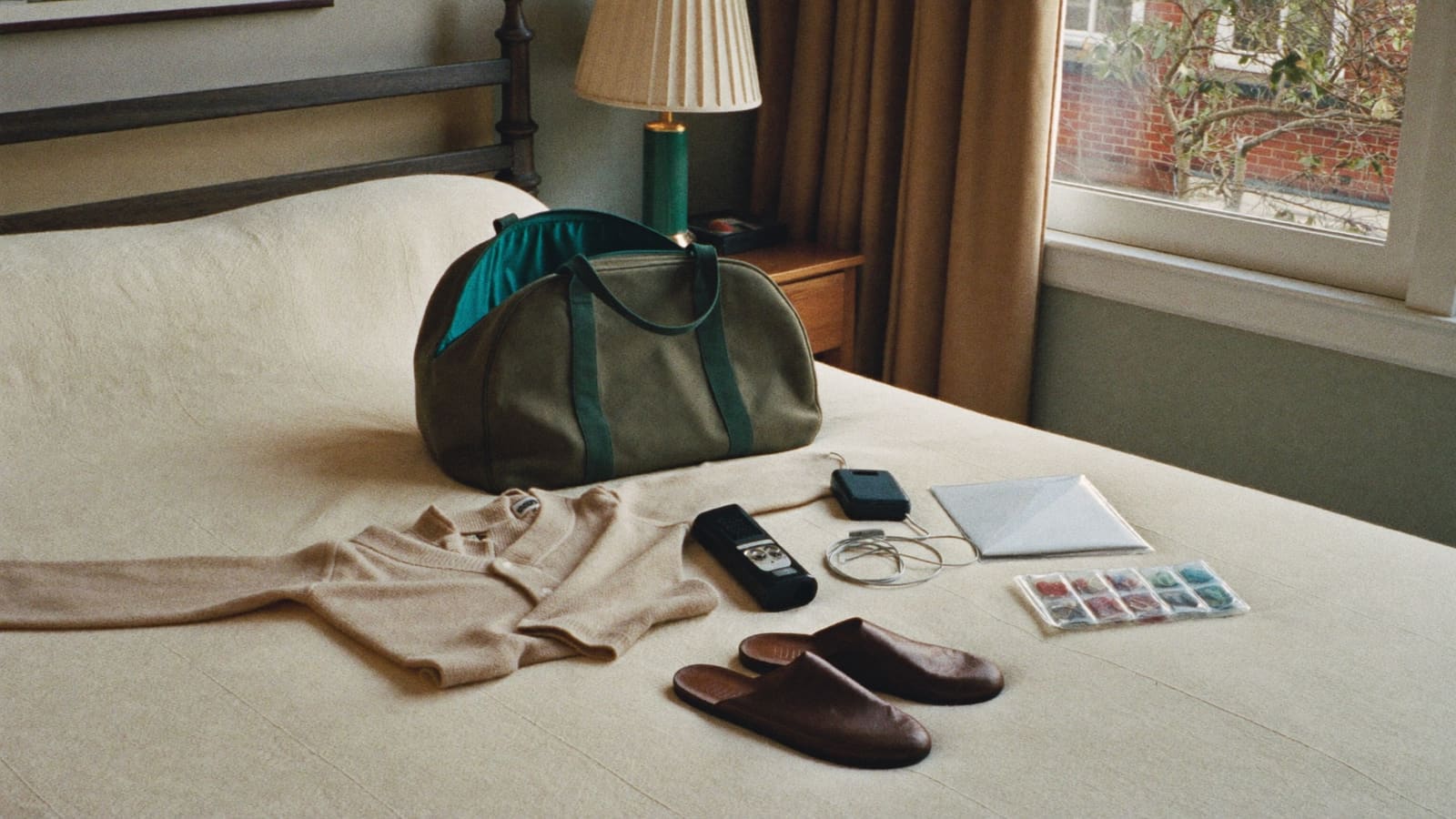
An emergency grab bag checklist
What to pack in a grab bag for an older person, for a fire, flood, power cut or sudden hospital trip, and how to keep it up to date.
15 October 2026
-
Resources
Protecting an older parent from scams
A practical checklist for families to help an older person spot scams, set up simple safeguards and know what to do if money has already been lost.
7 October 2026
-
Resources
Questions to ask about a new medicine
A short list to take to the GP or pharmacy whenever a new medicine is started, so you leave knowing what it is for, how to take it and what to watch for.
5 October 2026