Resources
Home safety checklist for ageing in place
The Aldera team Published 29 August 2026
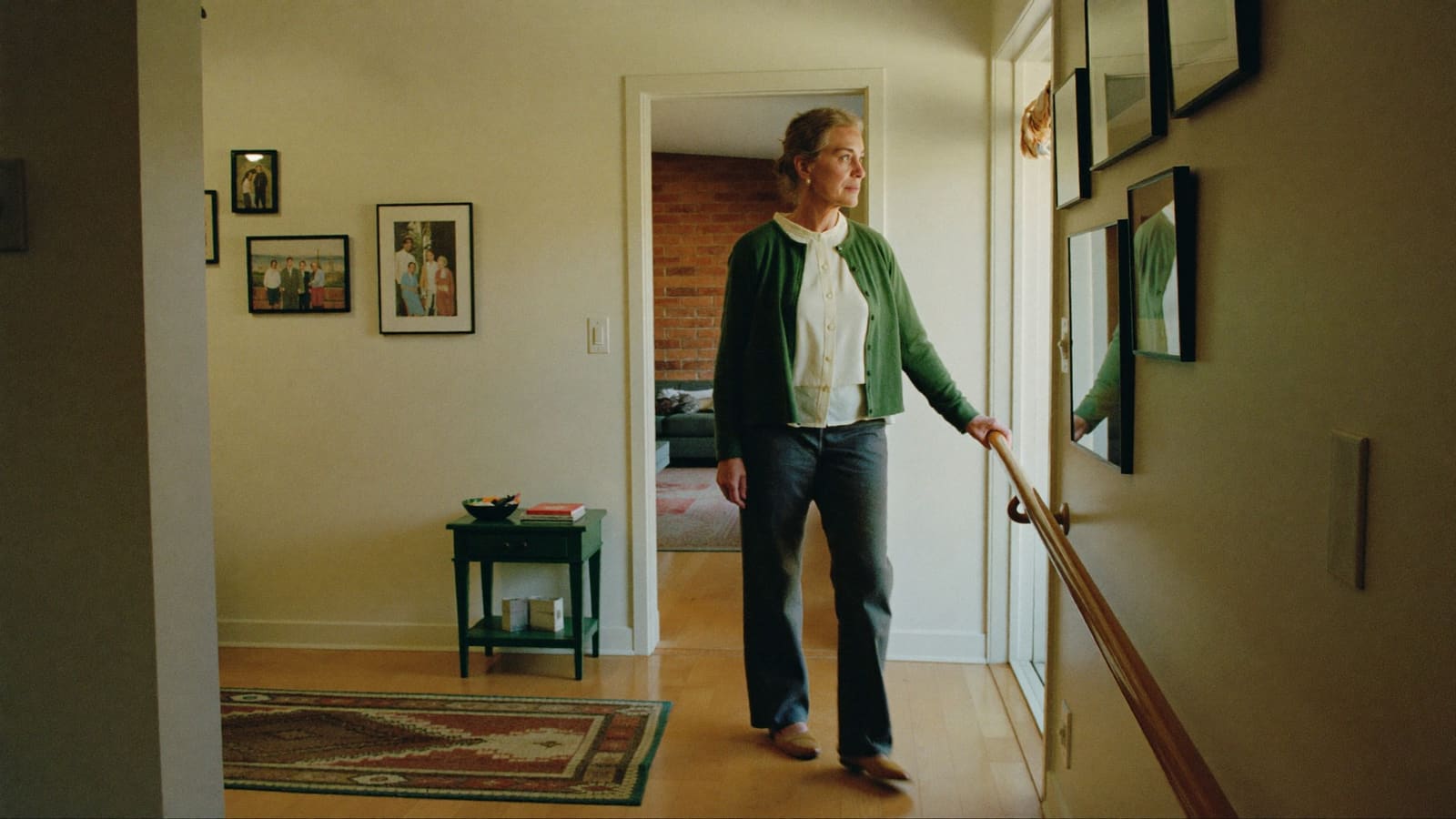
Illustrative. Does not depict Aldera clients or staff.
Most falls at home are not dramatic. Someone catches a foot on a rug edge, or misjudges a step in poor light, or reaches for a towel rail that was never meant to hold a person.
This is a room-by-room checklist for making a home safer to grow old in. Work through it once properly and you will have done more good than any single piece of equipment. It is general information, not health or medical advice.
Start with the two that matter most
Before the room-by-room list, two things carry more weight than everything else combined.
Light the path from the bed to the toilet. This is where a large share of night falls happen. A plug-in sensor light in the hallway and one in the bathroom costs very little and works every night for years.
Clear the floor. Not tidy it, clear it. Every walking route between bed, bathroom, kitchen and the front door should be wide, even and empty. Most falls involve something that was on the floor.
Floors and walkways
- Loose rugs removed, or fixed down flat on all edges
- No trailing cords across a walkway
- Frequently used routes kept clear of boxes, baskets, magazines and shoes
- Uneven thresholds between rooms made flush, or clearly marked
- Non-slip surface where the floor gets wet
- Nothing stored on the stairs, ever
Lighting
- A light switch reachable at each end of a hallway, and beside the bed
- Sensor night lights on the bed-to-bathroom route
- Bulbs bright enough to read a medicine label by
- Blown bulbs replaced promptly, by someone who can safely use a ladder
- A working torch beside the bed
- Outside light over the front and back doors, ideally on a sensor
Bathroom
The most dangerous room in the house, because it is wet, hard and small.
- Grab rail beside the toilet and inside the shower, professionally fitted into structure
- Never treat a towel rail or a soap holder as something to hold onto
- Non-slip mat inside the shower and a dry mat outside it
- A shower stool if standing for a full shower has become tiring
- Hot water thermostat checked so a tap cannot scald
- Door that opens outwards where possible, so it is not blocked if someone falls against it
- Everyday items at waist height, not on the floor or above the head
Bedroom
- A lamp or switch reachable without getting out of bed
- Phone within reach of the bed
- Bed at a height that allows both feet flat on the floor when sitting
- A clear path around the bed, both sides if possible
- Slippers with a back and a grippy sole, not loose scuffs
Kitchen
- Everyday plates, pans and food between hip and shoulder height
- Nothing that requires a step stool to reach, and no step stool in use
- Kettle and appliance cords kept short and away from the edge
- Working smoke alarm, tested, with a battery changed by someone who can safely reach it
- A visible reminder near the stove if forgetting the hob has become a pattern
Living areas
- A chair with arms and a firm seat, at a height that is easy to stand from
- Phone and remote reachable from that chair
- Furniture positioned so there is a clear route through the room
- Sturdy furniture on the natural walking route, since people steady themselves on what is there
Outside
- Path to the front door even, and clear of moss and leaves
- Handrail on any external steps
- Letterbox reachable without stepping onto uneven ground
- Bins on a route that can be managed, or moved by someone else
- Gutters and high maintenance handled by a tradesperson, never by the household
Getting help with the doing
A checklist is only useful if the items get done, and that is where it usually stalls.
Domestic assistance covers keeping the floors clear and the routes safe as part of the routine. Home maintenance is a separate service that covers the yard, the gutters and minor repairs. Grab rails and equipment sit under assistive technology and home modifications, which are assessed rather than simply ordered. Our domestic assistance guide explains where the line falls, including why no support worker will go up a ladder.
If a fall has already happened, or the stairs have started to feel different, that is worth raising at an assessment rather than waiting. Our assessment guide covers how, and the assessment checklist is worth taking with you. Funding rules and contributions are means-tested and they change, so check yours at myagedcare.gov.au or on 1800 200 422.
An occupational therapist can assess a home properly and recommend what is actually needed. That is a more reliable answer than a website, including this one.
The part a checklist misses
A safe house is not the same as a good life in it, and safety can quietly be used to shrink someone’s world. The aim is not to remove every risk. It is to remove the pointless ones, the dark hallway and the curled rug edge, so the person can keep doing the things that matter to them.
If you would like help thinking it through, get in touch.
Part of our Our services guide.
Not sure where you fit?
Call us and a real person will talk it through, no obligation and no script.
Call 1300 998 928Common questions
What is the single most useful home safety change?
Better lighting and clearing the floor, in that order. Most trips happen on the way to the bathroom at night, on a path that is dark and has something on it. Both fixes are cheap and neither requires a tradesperson.
Can home modifications be funded through aged care?
Minor home modifications and assistive equipment such as grab rails and shower stools can be included where an assessment identifies the need. Larger modifications are assessed separately. Check your own position at myagedcare.gov.au rather than assuming.
Who should install a grab rail?
Someone qualified. A grab rail is only as good as its fixing, and one screwed into plasterboard instead of a stud will pull out under the load it exists to take. This is not a job to do yourself or to ask a support worker to do.
More resources
-
Resources
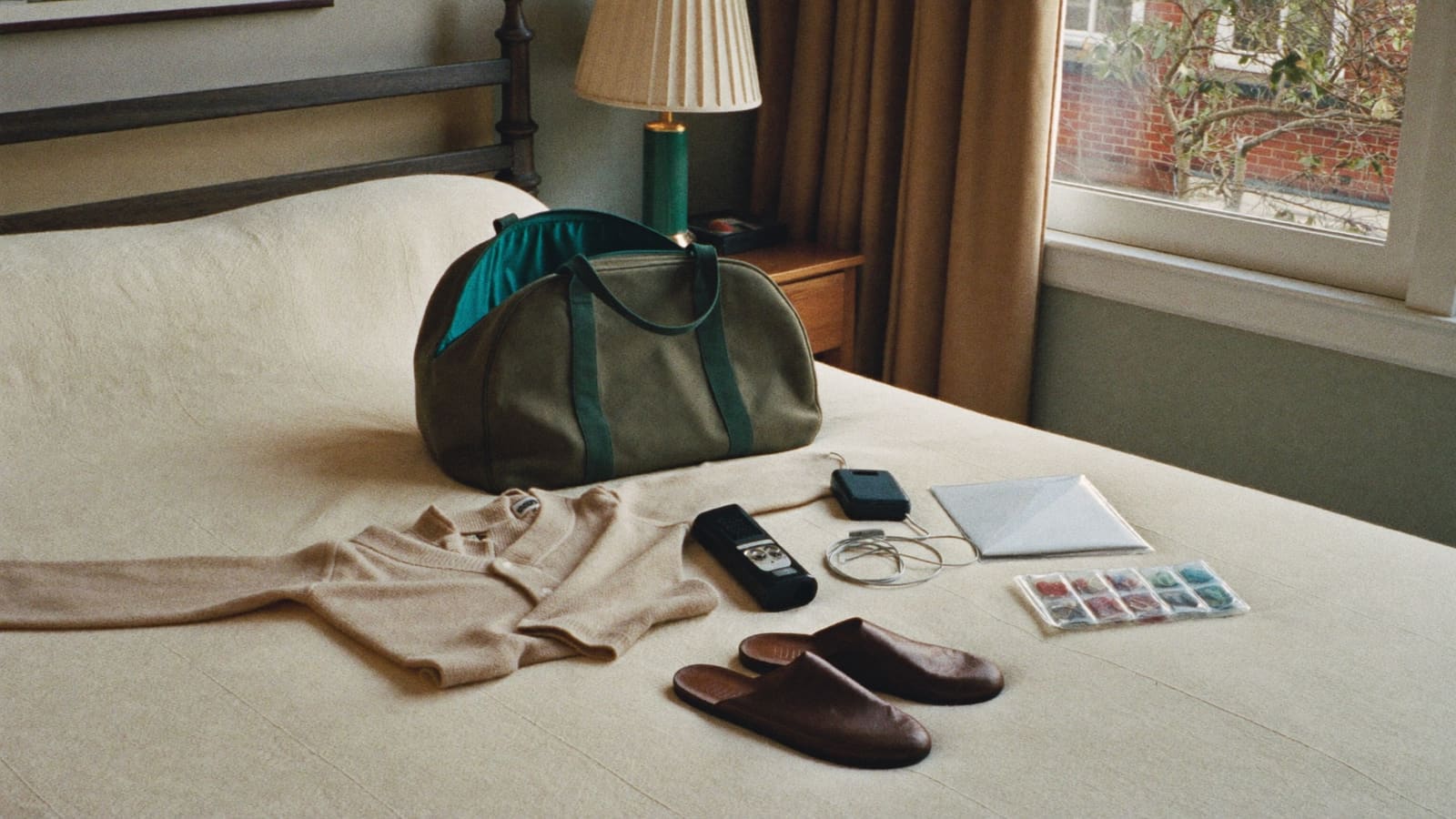
An emergency grab bag checklist
What to pack in a grab bag for an older person, for a fire, flood, power cut or sudden hospital trip, and how to keep it up to date.
15 October 2026
-
Resources
Protecting an older parent from scams
A practical checklist for families to help an older person spot scams, set up simple safeguards and know what to do if money has already been lost.
7 October 2026
-
Resources
Questions to ask about a new medicine
A short list to take to the GP or pharmacy whenever a new medicine is started, so you leave knowing what it is for, how to take it and what to watch for.
5 October 2026