Resources
A checklist for your My Aged Care assessment
The Aldera team Published 27 August 2026
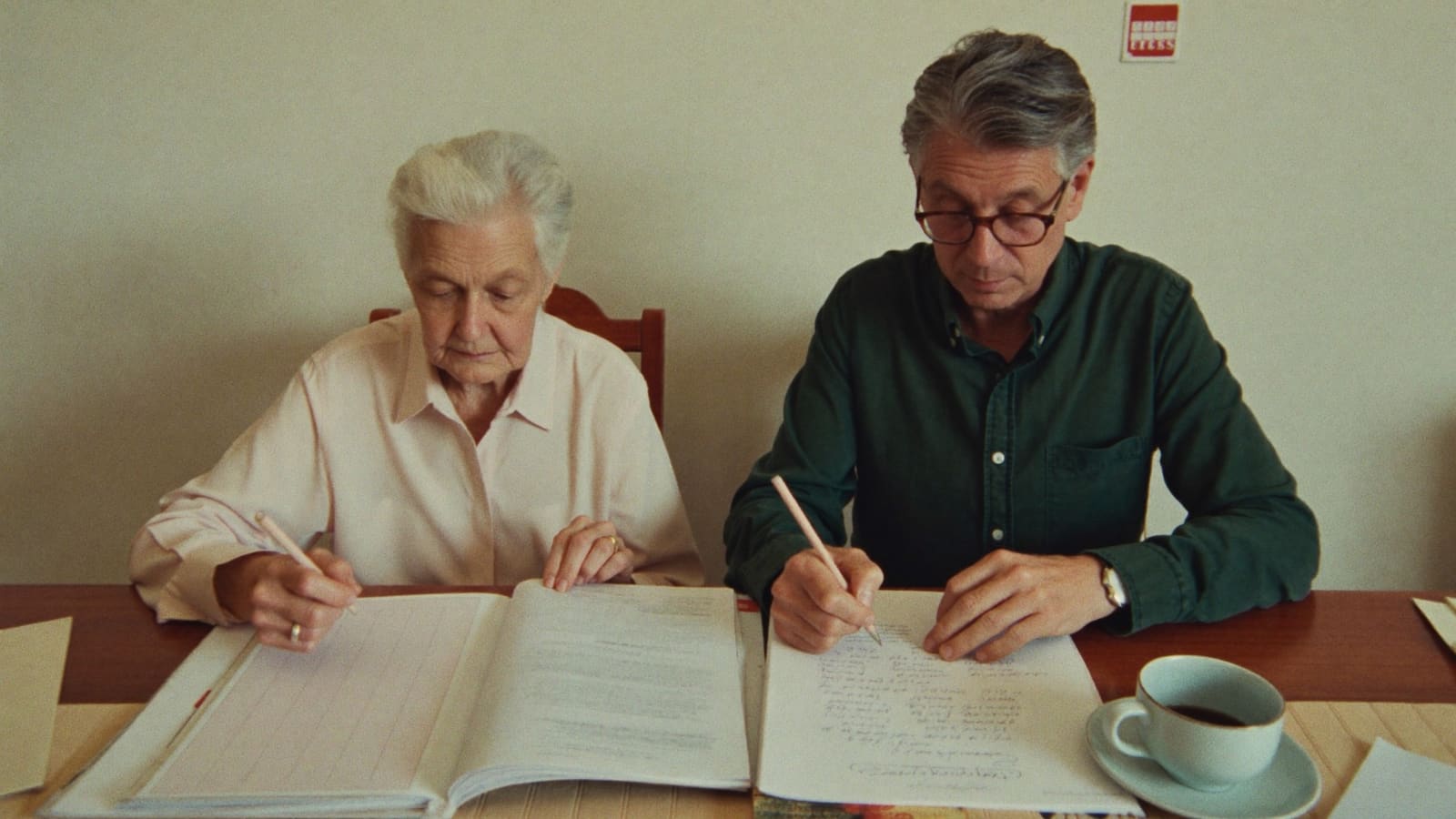
Illustrative. Does not depict Aldera clients or staff.
An aged care assessment decides what support you are approved for, so it is worth an hour of preparation. This is the list we give families. Print it, fill in what applies, and keep it in the folder afterwards.
This is general information, not advice. Your assessment and its outcome are handled by My Aged Care at myagedcare.gov.au.
Before the visit
Keep a two-week diary. A line a day is enough. Note anything that was hard, skipped or unsafe: a shower missed, a night without sleep, a meal not cooked, a near fall, a bill not paid. This is the single most useful thing you can do, because it replaces a vague answer with a real one.
Book an interpreter if you want one. Ask when the appointment is made. Being assessed in your second language on a stressful day leads to a smaller, less accurate picture of your needs. See our languages page for how we approach this.
Ask someone to sit in. A second person hears things you will miss and can gently correct an understated answer.
Have these ready on the table
- Medicare card and pension or DVA card
- Your My Aged Care client number, if you already have one
- A current medication list, including anything over the counter
- GP name, practice and phone number, plus any specialists
- Recent hospital discharge summaries or letters
- Any diagnoses, in writing where you have it
- Emergency contact details and who holds a key
- Any power of attorney, guardianship or advance care planning documents
- Your two-week diary
- This checklist, with your notes on it
What to describe honestly
Go through these out loud before the assessor arrives, so you are not composing an answer on the spot.
Getting around. Stairs, the shower, getting out of a chair or bed, walking to the letterbox, driving, using public transport.
Personal care. Showering, dressing, hair, nails, teeth, continence, and how long each takes now compared to a year ago.
Around the house. Cooking, shopping, cleaning, laundry, changing the bed, taking out the bins, home and garden maintenance.
Health. Conditions, medications and who manages them, wounds, pain, falls in the last twelve months, eyesight and hearing, memory and confusion.
Mood and company. How often you leave the house, who visits, whether you are sleeping, whether you have felt low or anxious.
Your carer. Who helps you now, how many hours, and whether they are coping. If a family member is carrying most of it, say so plainly. Their capacity is part of the assessment.
Safety. Anything you have stopped doing because it frightens you. That answer often reveals more than the direct questions do.
Questions worth asking the assessor
- What am I being assessed for, and what are the possible outcomes?
- When will I get the outcome, and how will it arrive?
- What priority will I be given, and what does that mean for timing?
- Is there any support I can access now, while I wait?
- What should I do if my situation gets worse before services start?
- How do I ask for a review if I disagree with the outcome?
- Who do I ring if I have a question next week?
Write the answers down during the visit. You will not remember them.
After the assessment
- Keep the outcome letter with the rest of your paperwork
- Note your client number somewhere you can find it in a hurry
- If anything material changes, a fall, a hospital stay, a carer who can no longer help, tell My Aged Care rather than waiting
- Use the waiting time well. Our guide on what to do while you wait covers the practical steps
- Start talking to providers before you need one, and ask them the hard questions
One thing to carry into the next stage
Everything you have just written down about yourself, the routines, the difficult times of day, what you will and will not accept help with, is exactly what a new carer needs to know and almost never gets told. Keep it. At Aldera we build it into One Story, a single record every carer in your Care Circle reads, so you are not explaining yourself again to each new face.
For the standards providers are held to, see the Aged Care Quality and Safety Commission at agedcarequality.gov.au.
Part of our How funding works guide.
Not sure where you fit?
Call us and a real person will talk it through, no obligation and no script.
Call 1300 998 928Common questions
Can someone be with me during the assessment?
Yes. You can have a family member, friend, advocate or interpreter present, and it is a good idea. Ask for an interpreter when you book if English is not the language you are most comfortable in.
What if I am having a good day when the assessor visits?
Describe your worst days, not your best one. Assessments are a snapshot, and people routinely understate their difficulties out of pride. Keeping a short diary for a fortnight beforehand is the simplest fix.
What happens after the assessment?
You receive an outcome that sets out what you have been approved for. If you disagree with it, you can ask for it to be reviewed. My Aged Care can explain the process for your situation.
More resources
-

Resources
An emergency grab bag checklist
What to pack in a grab bag for an older person, for a fire, flood, power cut or sudden hospital trip, and how to keep it up to date.
15 October 2026
-

Resources
Protecting an older parent from scams
A practical checklist for families to help an older person spot scams, set up simple safeguards and know what to do if money has already been lost.
7 October 2026
-

Resources
Questions to ask about a new medicine
A short list to take to the GP or pharmacy whenever a new medicine is started, so you leave knowing what it is for, how to take it and what to watch for.
5 October 2026