Guides
Waiting for a Support at Home place: what to do in the meantime
The Aldera team Published 27 August 2026

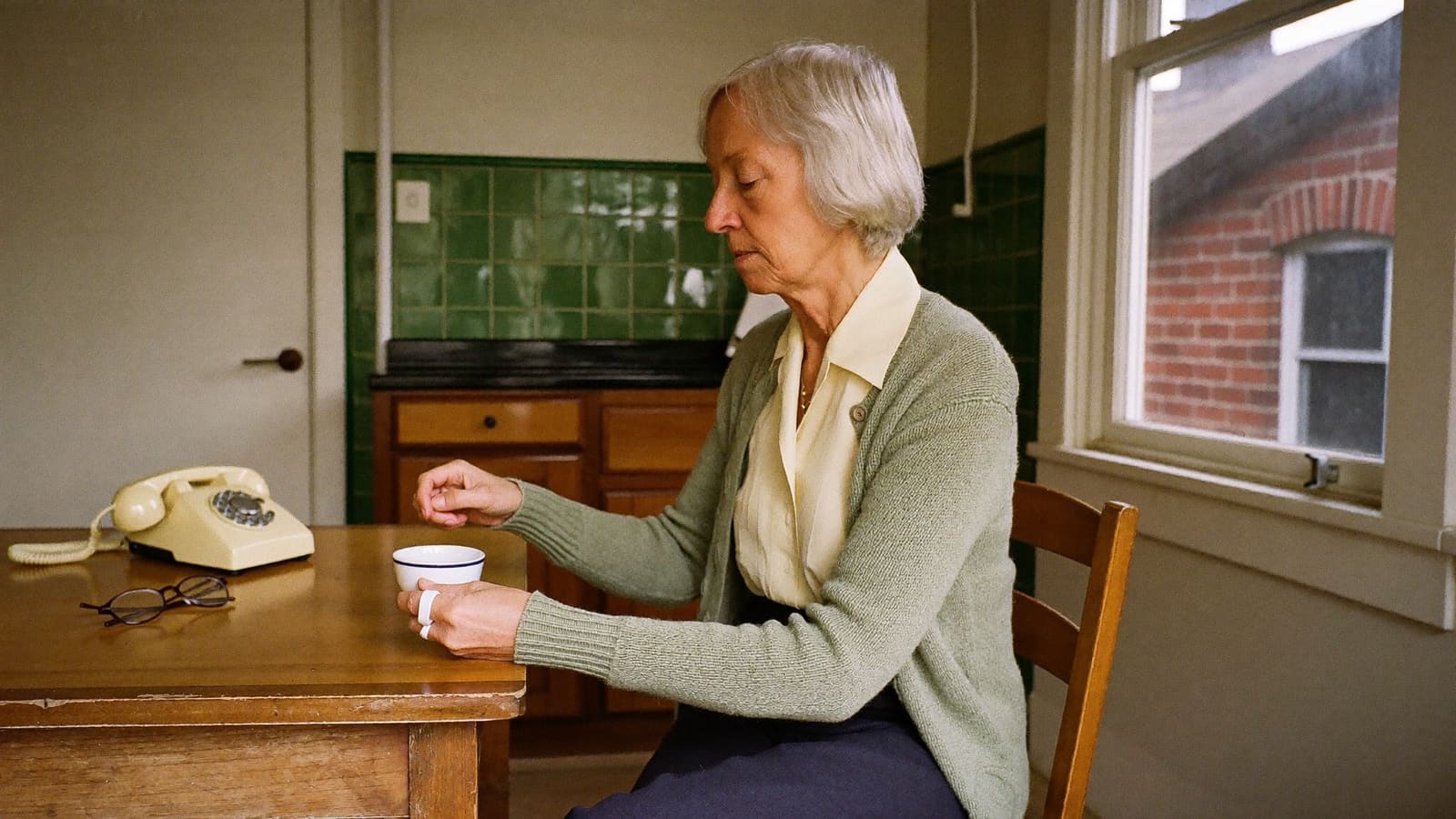
Illustrative. Does not depict Aldera clients or staff.
The assessment is done. The letter has arrived. And now you wait, with the same problems you had before the assessment and no funding yet to solve them.
This is the stretch families find hardest, partly because it feels like nothing is happening. Quite a lot can happen. Here is how to use it.
First, know where you actually stand
Ring My Aged Care and ask three specific questions:
- What is my assessed classification, and what priority was I given?
- What is the current expectation for someone in my position and region?
- Is there anything in my circumstances that should be reviewed?
That last one matters. If your situation has genuinely changed since the assessment, a fall, a hospital admission, a carer who can no longer cope, tell them. Assessments can be reviewed when needs change, and a review is a legitimate step, not a favour.
The official channel for all of this is myagedcare.gov.au or their contact centre. They hold your record. A provider does not.
Ask about entry-level support
Support at Home is not the only door. Some people waiting for a package are eligible for entry-level help through the Commonwealth Home Support Programme, which can cover things like a fortnightly clean, meals or transport at a subsidised rate. Eligibility is assessed and it is not automatic, so the question to ask My Aged Care is simply: given my assessment, is there anything I can access now?
Consider paying privately for the few hours that matter
You can arrange your own in-home support at any time, funded or not. It does not affect your assessment, your priority, or your right to choose a different provider later.
The trap is trying to buy a full care plan privately and running out of money in three months. The better approach is the same one that works with a funded budget: fund the two or three moments that are genuinely unsafe or exhausting, and leave the rest.
For most families that is one of:
- The morning shower, if falls are the worry
- A weekly clean and a shop, if the house is slipping
- A regular few hours that give the main family carer a real break
- Transport to a standing appointment nobody can drive to
Our services page sets out what those visits look like, and we are happy to say when we think a smaller arrangement is the sensible one.
Do the unglamorous safety jobs now
They cost little and they prevent the fall that changes everything.
- Clear the walk from the bed to the toilet, and put a light on that path
- Take up the loose rugs and the extension leads that cross a doorway
- Get a grab rail in the shower and beside the toilet
- Put the kettle, the tea and the mugs at waist height so nobody reaches over a hot cooktop
- Test that the phone is reachable from the floor, not just from the chair
Get your paperwork in one place
When funding does start, everything moves faster if you already have your My Aged Care client number, your assessment outcome letter, your medication list, your GP and specialist details, your emergency contacts and any advance care planning documents together in one folder. Our assessment checklist covers what to keep.
Choose your provider before you are forced to
Waiting is the calmest time you will get to make this decision. Talk to two or three providers now, while there is no pressure, and ask them the questions that matter. Ask specifically how many different carers a client sees in a month, and who is accountable when something goes wrong.
At Aldera the answer is a Care Circle of two to four regular carers and one named Care Lead. We would rather you asked that question of everyone you speak to, including us.
What not to do while you wait
- Do not turn down a place because the timing is awkward. Ask what happens if you defer before you decline anything.
- Do not stop reporting changes. A hospital stay or a new diagnosis is information My Aged Care needs.
- Do not let the main family carer quietly absorb all of it. Carer burnout is the most common reason a home arrangement collapses, and it builds slowly.
This guide is general information, not financial or medical advice. For your own position in the system, speak to My Aged Care. For a straight conversation about what a few hours a week could realistically cover, call us.
Part of our How funding works guide.
Not sure where you fit?
Call us and a real person will talk it through, no obligation and no script.
Call 1300 998 928Common questions
How long is the wait for a Support at Home place?
Wait times vary by assessed priority and by region, and they change over time. My Aged Care can tell you where you sit and what to expect. Do not rely on a figure quoted by a provider or a forum.
Can I get help while I wait?
Often yes. Some people are eligible for entry-level support through the Commonwealth Home Support Programme, and anyone can arrange privately paid services in the meantime. Ask My Aged Care what applies to you.
Does paying privately affect my place in the queue?
No. Arranging your own services while you wait does not change your assessment or your priority. It also does not lock you in to using that provider once funding starts.
More guides
-

Guides
Drinking enough water in later life
Why older people drink less without noticing, the signs of dehydration to watch for, and small habits that make drinking easier at home.
15 October 2026
-
Guides
Recognising elder abuse and where to get help
The forms elder abuse takes, the quiet signs families and workers notice, and who to contact in NSW if you are worried about an older person.
15 October 2026
-

Guides
Talking to a parent about giving up driving
Signs driving is getting harder, how to raise it without a fight, who can give an independent view, and how to keep a parent getting out once the keys go.
15 October 2026