Guides
Ramadan, fasting and support at home
The Aldera team Published 8 September 2026
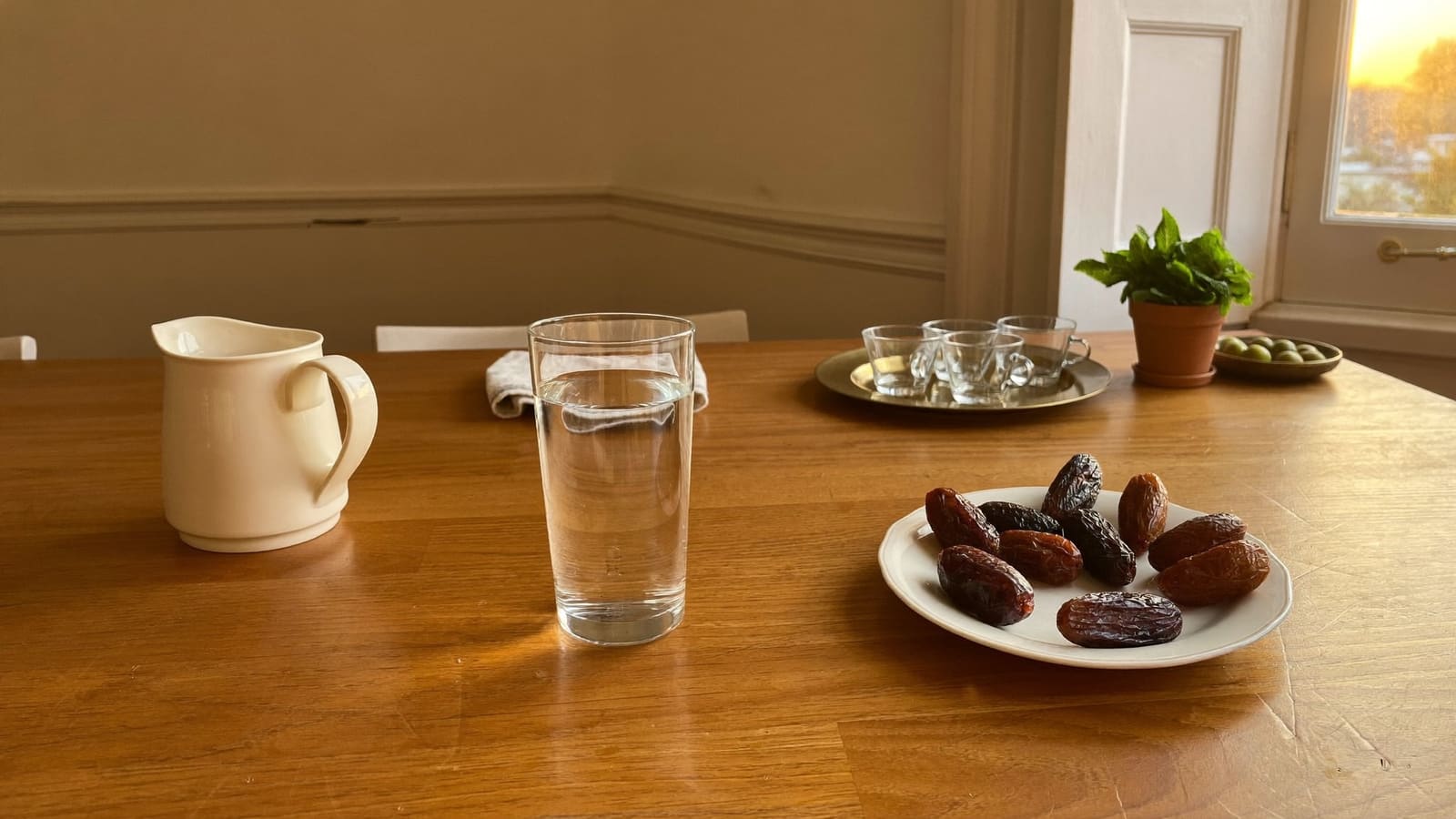
Illustrative. Does not depict Aldera clients or staff.
For a month each year, the shape of the day changes completely in a great many Australian households. The main meal happens after sunset. Someone is awake and eating at four in the morning. The late afternoon is the hardest stretch, not the early morning.
A care roster built for an ordinary month fits that badly. A support worker arriving at eleven to help with a shower is arriving at the point of the day when the person has least in reserve, offering a cup of tea to someone who cannot take one, and cooking a lunch that will not be eaten.
None of that is complicated to fix. It just has to be asked for, and asked for early.
This is general information, not medical or religious advice. Decisions about fasting belong with the person, their family and their imam, with medical facts from their doctor.
Ask four to six weeks ahead
This is the single most useful thing in this article. Rosters are built well in advance, and worker availability at five in the morning or at sunset is genuinely limited. A request made in the last week before Ramadan gets whatever is left. A request made a month out gets planned for.
What to ask for:
- Move personal care earlier, to soon after suhoor while there is energy and hydration in the day, rather than to late morning.
- Move the meal visit to the afternoon, so the worker helps prepare iftar rather than cooking a lunch nobody will eat. Preparation before sunset, not eating at the table.
- Keep the heavy tasks out of the last two hours before sunset. Showering, physiotherapy exercises, a shopping trip. That stretch is when a fasting person is most depleted and most at risk of a fall.
- Say what happens on Eid. It is a family day and often a large one. Some households want no visit at all, others want extra help beforehand. Either is easier to arrange if it is said in February.
Aldera holds these things in the One Story record rather than in a single worker’s memory, so the shift does not have to be renegotiated each year or re-explained to each person who comes.
The exemptions, plainly
Islam exempts the elderly, the sick, and anyone for whom fasting would cause harm, and provides alternatives including fidyah where fasting is not possible. Whether that applies to a particular person is not a care provider’s call. It is theirs, with their family and their imam.
What a care provider can usefully do is make sure the decision is being made with the facts, because it is often made without them. That means raising a few things with the GP before Ramadan begins rather than in the middle of it:
- Medicines on a fixed schedule. Diabetes medication, insulin, blood pressure tablets, Parkinson’s medicines and diuretics can all be affected by a change in eating and drinking hours. Some can be rescheduled safely. Some cannot. That is a conversation with the prescriber, and it is worth having in advance. What to take to a GP appointment covers how to make it a useful one.
- Diabetes in particular. Fasting with diabetes needs planning and often more frequent monitoring. See managing diabetes at home.
- Dehydration risk, especially in a hot Australian Ramadan and especially for someone frail or on diuretics. Staying safe at home in heat and cold is relevant here.
- Swallowing or appetite problems, which change what suhoor and iftar can realistically be. When an older person stops eating covers the wider picture.
Many people who are formally exempt choose to fast anyway, and that is their right. Support that respects the choice while quietly watching for the risks is more use than support that argues with it.
What a worker actually needs to know
Not the theology. The practical facts, written down before the first day:
- This person is fasting, from these dates, between these hours.
- Do not offer food or drink during fasting hours. Do not eat in front of them.
- The hardest part of the day is the late afternoon.
- Prayer happens at these times and the room used is this one. Do not walk through it or vacuum during prayer.
- Suhoor and iftar are the two visits that matter most this month.
A worker who is told this arrives ready. A worker who is not told means the household spends the month managing their care provider instead of the other way around.
If a worker who shares the language or the faith would make the month easier, that is a reasonable thing to ask for rather than a special favour. Asking for a worker who speaks your language explains how to ask, and culturally matched care in practice is about what it changes when it happens. Where language is the barrier in a clinical appointment, the free interpreter service for aged care exists and is not used nearly enough.
The point of asking early
Ramadan is not an exception a provider grants. It is a month in the year that a care arrangement either plans for or fails to plan for.
Aldera’s Care Circle is a small named group of workers rather than whoever is free that morning, which is what makes a month like this possible at all. A roster shifted to suhoor and iftar only works if the same handful of people are holding it, and if what matters in this house is written down where everyone can see it. My Aged Care is the front door for arranging assessed support, and cultural and language preferences can be recorded at assessment.
If Ramadan is coming and the roster does not fit it, get in touch well before it starts.
Part of our Languages and cultural care guide.
Not sure where you fit?
Call us and a real person will talk it through, no obligation and no script.
Call 1300 998 928Common questions
Can home care visits be moved to fit fasting hours?
Yes, and they should be. During Ramadan the useful hours shift to before dawn and around sunset, so a shower visit that normally lands at eleven can move earlier, and a meal visit can move to help prepare iftar rather than lunch. Ask your provider four to six weeks ahead, because rosters are built in advance and a late request is much harder to accommodate.
Does an older or unwell person have to fast?
Islam exempts the elderly, the sick and those for whom fasting would cause harm, and there are established alternatives including fidyah. Whether that applies is a religious and personal decision for the person and their imam or family, not for a care provider. Our role is to support the decision they make, and to make sure the medical facts are on the table so the decision is an informed one.
Should a support worker be told someone is fasting?
Always, and before the first day rather than during it. A worker who does not know will offer tea, misread lightheadedness in the late afternoon, or schedule the most tiring task at the worst hour. Written into the care record it becomes something the whole Care Circle works with rather than something explained again each visit.
More guides
-

Guides
Drinking enough water in later life
Why older people drink less without noticing, the signs of dehydration to watch for, and small habits that make drinking easier at home.
15 October 2026
-
Guides
Recognising elder abuse and where to get help
The forms elder abuse takes, the quiet signs families and workers notice, and who to contact in NSW if you are worried about an older person.
15 October 2026
-

Guides
Talking to a parent about giving up driving
Signs driving is getting harder, how to raise it without a fight, who can give an independent view, and how to keep a parent getting out once the keys go.
15 October 2026