Guides
How to ask for a support worker who speaks your language
The Aldera team Published 7 September 2026

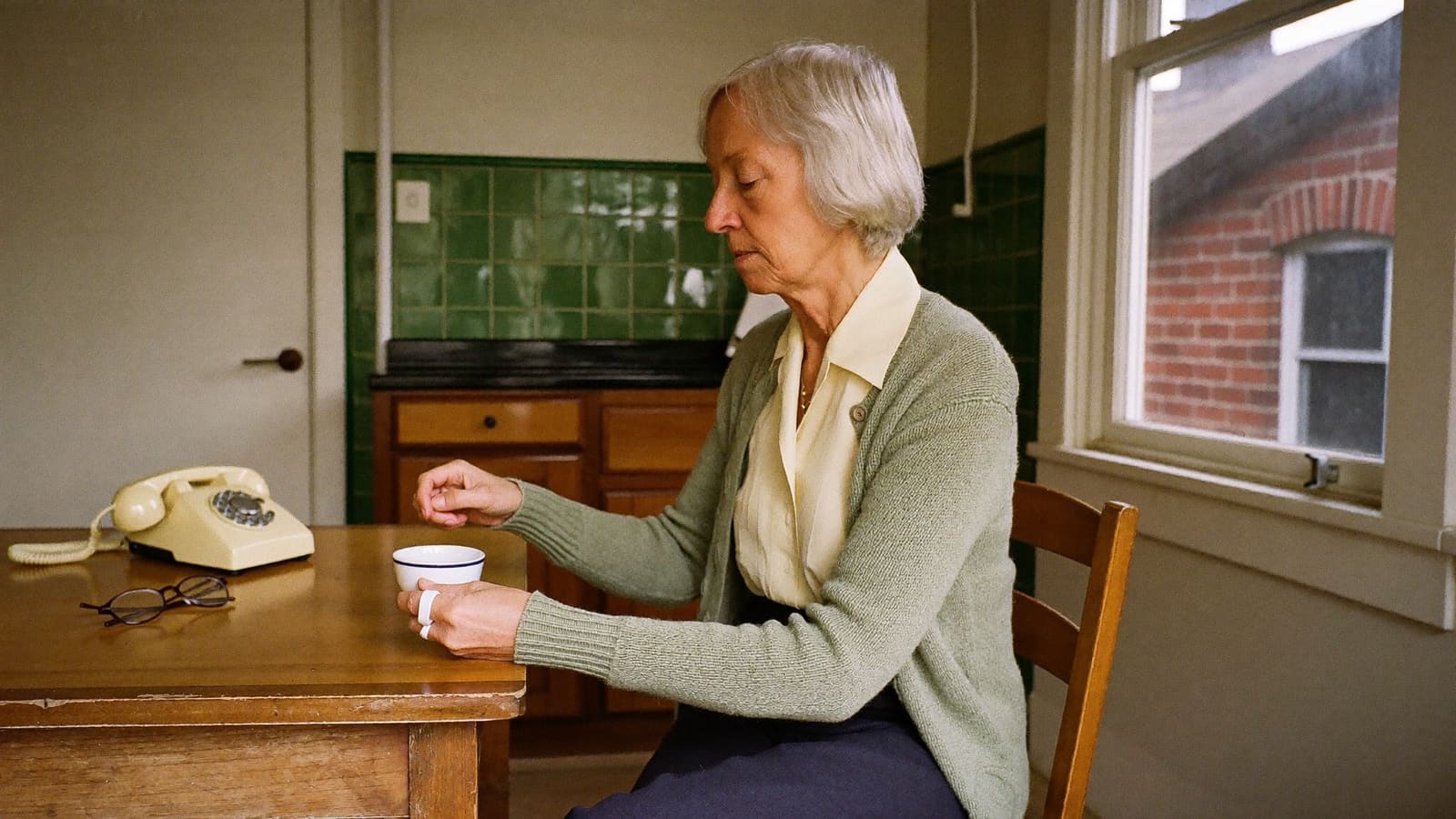
Illustrative. Does not depict Aldera clients or staff.
People are far too polite about this. They mention it once, hear that it might be difficult, and never raise it again. Then they spend two years with a worker they cannot really talk to and describe the arrangement as fine.
Asking for a support worker who speaks your language is not a favour, an upgrade or an awkward request. It is a description of how you actually live, and it belongs in the conversation from the beginning.
Say it early, and say it as a fact
The best time to raise it is the first phone call, before an assessment and before an agreement. Not because a provider will refuse later, but because a provider who knows at the start can plan for it, and a provider who finds out at the end will hand you whoever is already rostered.
Put it as a plain statement rather than a hopeful question. Compare these:
- “I don’t suppose you’d have anyone who speaks Arabic?”
- “Mum speaks Arabic at home. English is her second language and it gets harder when she is tired or unwell. I need to know what you can do about that.”
The first invites a no. The second describes a need, which is what an assessment and a care plan are supposed to be built on.
What to actually ask for
Be specific, because “someone who speaks Greek” can mean several different things.
- The language, and the dialect if it matters. Cantonese and Mandarin are not interchangeable. Nor are Arabic dialects, or Assyrian and Arabic, or Hindi and Punjabi.
- Which visits matter most. If only some hours can be matched, put the language where it counts: personal care, medication prompting, anything involving the body or dignity, and any visit where a decision might be made.
- Consistency, not just a match. One worker who comes regularly is worth more than three who each happen to speak the language. That is true for everyone, and it is more true when the conversation itself takes effort. See what carer consistency actually means.
- What happens when that person is away. This is the question people forget. Ask now, not the first time it happens.
- Cultural specifics, not just language. Food, prayer times, shoes in the house, who may be present during personal care, and which family member speaks for the household. Write them into the care plan. Write them down once and hand them over, so nobody has to ask twice.
If the answer is no
Sometimes it will be, honestly, because there is nobody on the team in your area who speaks the language. That is a real constraint and a provider who says so plainly is being more useful than one who promises and then does not deliver.
What you should still expect:
- A free interpreter for the conversations that matter. Assessments, care plan reviews, complaints and anything involving money or consent. This is funded, it costs you nothing, and most families have never been told it exists. See the free interpreter service for aged care.
- Key routines written in both languages and left in the house, so a worker who does not share the language still knows how tea is made and how someone likes to be addressed.
- An honest answer about recruitment. Whether they are actively looking, and what would have to change.
- No pressure to accept less. If you are told that language is not really necessary for showering or cleaning, that is a provider telling you what they can staff, not what you need.
It is a reasonable thing to choose a provider over
Language is a legitimate reason to compare providers and to move. When you are shortlisting, ask each one the same question and compare the answers, not the brochures. Add it to your list alongside everything else in how to choose a provider.
If you are already with someone and it is not working, you can change. Switching providers is more ordinary than people expect.
At Aldera, language and cultural background sit in the One Story we keep about you, not in a note attached to a single booking, which means the whole Care Circle knows without you repeating it. That is the whole idea behind how we match care. Being understood in your own words is not a nice extra. On a bad day it is the difference between accepting help and refusing it.
Part of our Languages and cultural care guide.
Not sure where you fit?
Call us and a real person will talk it through, no obligation and no script.
Call 1300 998 928Common questions
Are you allowed to ask for a support worker who speaks your language?
Yes. Language and cultural background are ordinary things to ask about when care is being arranged, and a provider should treat the request as information about your needs rather than as a preference to be talked out of. Whether they can meet it depends on who is on their team in your area, which is a fair answer if it is given honestly.
What if no worker speaks your language?
Ask what else the provider will do rather than accepting a flat no. A free interpreter can be used for the conversations that matter, key routines can be written down in both languages, and the provider can tell you honestly whether they are likely to recruit in your area. If none of that is offered, that tells you something about the provider.
Does asking for a particular language cost more?
It should not. Matching a worker to a household is part of how care is organised, not an added service, and the Australian Government funds a free interpreting service for aged care so that language is not a cost barrier. Ask the provider directly to confirm that nothing on your fee schedule changes.
More guides
-

Guides
Drinking enough water in later life
Why older people drink less without noticing, the signs of dehydration to watch for, and small habits that make drinking easier at home.
15 October 2026
-
Guides
Recognising elder abuse and where to get help
The forms elder abuse takes, the quiet signs families and workers notice, and who to contact in NSW if you are worried about an older person.
15 October 2026
-

Guides
Talking to a parent about giving up driving
Signs driving is getting harder, how to raise it without a fight, who can give an independent view, and how to keep a parent getting out once the keys go.
15 October 2026