Blog
What carer consistency actually means
The Aldera team Published 26 August 2026
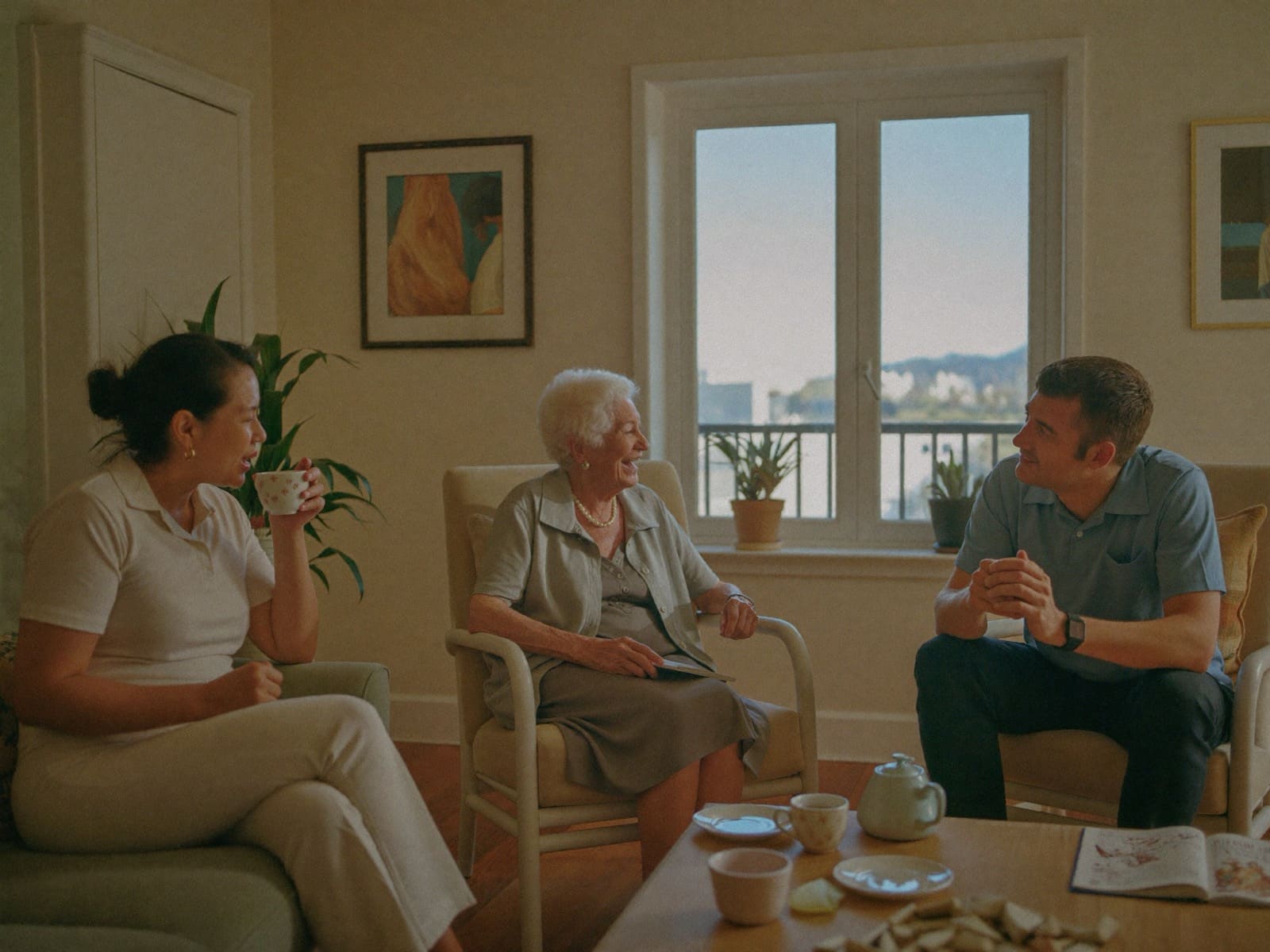
Illustrative. Does not depict Aldera clients or staff.
Ask an older person what they dislike most about home care and they rarely mention the tasks. They mention the strangers. A different face at the door each week, another round of explaining the medications, another person who does not know that the back door is easier than the front.
Consistency is not a nice-to-have
In home care, familiarity is the whole thing. Here is what it actually buys:
- Trust. You cannot rush trust with an 82-year-old, and you cannot rebuild it weekly. The same faces mean it accumulates instead of resetting.
- Safety. A carer who knows you notices the small changes, the slightly-off morning, the new unsteadiness, long before a stranger would.
- Dignity. Personal care from someone you know is care. From a stranger, every week, it is an ordeal.
- Less repetition. No re-explaining the routine, the preferences, the family names, the way you take your tea.
Why so few providers promise it
Because it is operationally hard. It is easier to run a big roster and send whoever is free. Consistency takes deliberate scheduling and a smaller, better-supported team. Most providers will not commit to it because they cannot deliver it.
How Aldera does it
Every Aldera client gets a Care Circle: two to four regular carers, matched to you, who stay with you, led by one named Care Lead with a direct line. If the circle ever has to change, your Care Lead calls you first and explains why. That is the promise the whole company is built to keep. You can read how it works in the Aldera way.
The test of a home care provider is not what they say on the phone. It is whether, six months in, you know the name of the person knocking on your door. With us, you will.
Part of our The Aldera way guide.
Not sure where you fit?
Call us and a real person will talk it through, no obligation and no script.
Call 1300 998 928Common questions
Why does seeing the same carers matter so much?
Because trust, safety and dignity are built through familiarity. The same carers learn your routines and notice small changes early, and you never have to retell your story or re-earn trust each visit.
How many carers should an older person have?
A small, consistent team is the goal. Aldera builds every client a Care Circle of two to four regular carers rather than sending whoever is available.
More blog
-
Blog
Grandchildren and a grandparent's care
Grandchildren often want to help when a grandparent starts needing care but do not know how. Practical ways for younger family to stay close and useful.
15 October 2026
-
Blog
Staying at home after losing a partner
When a husband or wife dies, the house changes overnight. Some gentle, practical thoughts on grief, routine and getting the right help at home.
7 October 2026
-
Blog
When your husband or wife becomes your carer
Caring for a partner is not like caring for a parent. Staying a couple, accepting help without feeling you have failed, and looking after yourself.
5 October 2026