Blog
Culturally matched care in practice
The Aldera team Published 26 August 2026
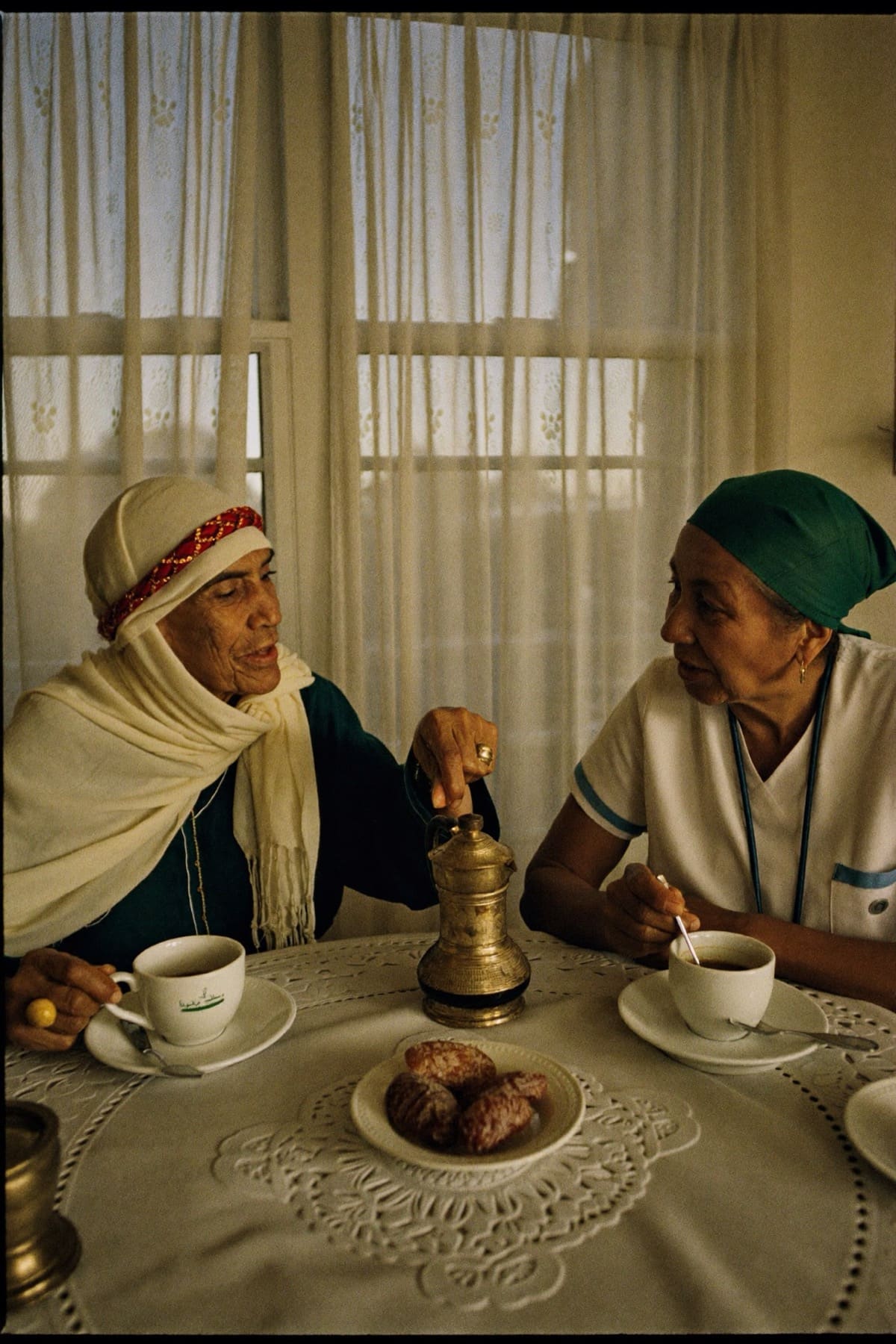
Illustrative. Does not depict Aldera clients or staff.
Australia’s east coast is one of the most multicultural places on earth. For an older person, that heritage does not fade with age. It gets more important. So culturally matched care is not a specialty add-on. For a lot of families it is the difference between being helped and being understood.
It starts with language, but it does not end there
The obvious part is language. Being able to speak in your first language, especially about something as personal as your own body and care, is not a luxury. For many older people it is the difference between accepting help and refusing it.
But culturally matched care goes further:
- Food that tastes like home. The right spices, the right way to make coffee, the dishes a family has always eaten. A carer who cooks with you learns exactly how you like it.
- Respect for faith and observance. Prayer times, church on Sunday, fasting months, dietary laws. Care schedules bend around observance, not the other way round.
- Understanding the family. In many communities, care decisions involve the whole family, not just the individual. Good care welcomes that rather than working around it.
What it looks like on a Tuesday
It looks ordinary, which is the point. It looks like an Arabic-speaking carer sharing coffee and actually talking. It looks like a meal cooked the way your mother made it. It looks like a carer who knows that Friday matters, or that the grandchildren visit Sundays, and plans around it.
How we approach it
At Aldera, cultural matching is built into how the Care Circle is formed, not bolted on afterwards. Wherever we can, your regular carers are matched to your language and culture. Interpreter support is available at no cost to you for assessments and reviews. And the details that matter are recorded once, in your One Story, so every carer arrives already knowing them.
Tell us the language and traditions that matter in your home. We will be honest about how well we can match them today, and straight with you if we need a little time to find exactly the right person. You can see more on our languages and cultural care page.
Part of our Languages and cultural care guide.
Not sure where you fit?
Call us and a real person will talk it through, no obligation and no script.
Call 1300 998 928Common questions
What is culturally matched aged care?
It is care delivered by someone who understands your language, food, faith and family customs, so support fits your life rather than asking your life to fit the service. It covers language matching, familiar meals, respect for religious practice and an understanding of how your family makes decisions.
Can I get a carer who speaks my language?
Wherever possible, yes. Aldera matches carers by language and culture, and arranges free interpreter support for assessments and reviews. Tell us the language that matters and we will be honest about whether we can match it straight away.
More blog
-
Blog
Grandchildren and a grandparent's care
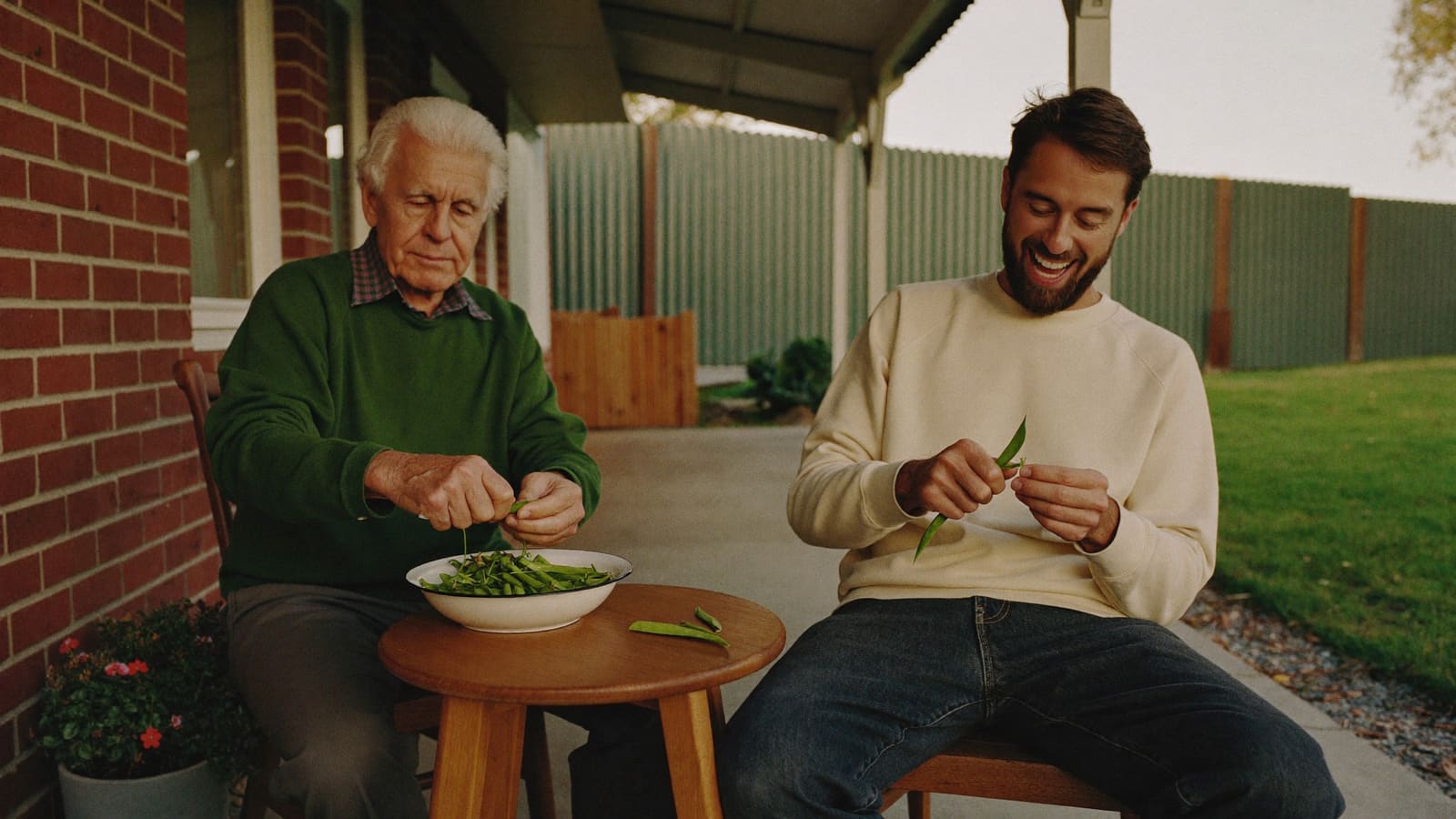
Grandchildren often want to help when a grandparent starts needing care but do not know how. Practical ways for younger family to stay close and useful.
15 October 2026
-
Blog
Staying at home after losing a partner
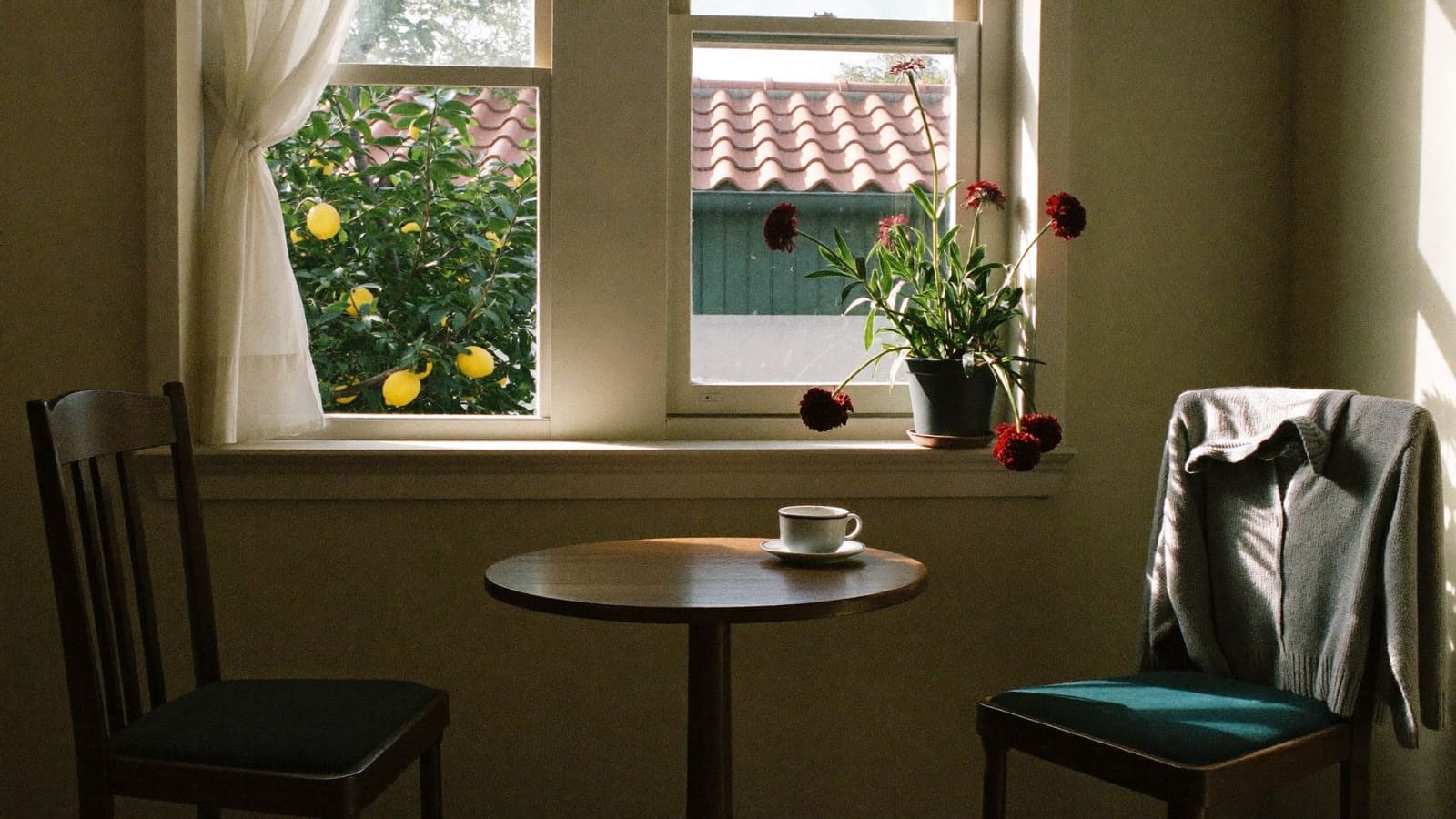
When a husband or wife dies, the house changes overnight. Some gentle, practical thoughts on grief, routine and getting the right help at home.
7 October 2026
-
Blog
When your husband or wife becomes your carer
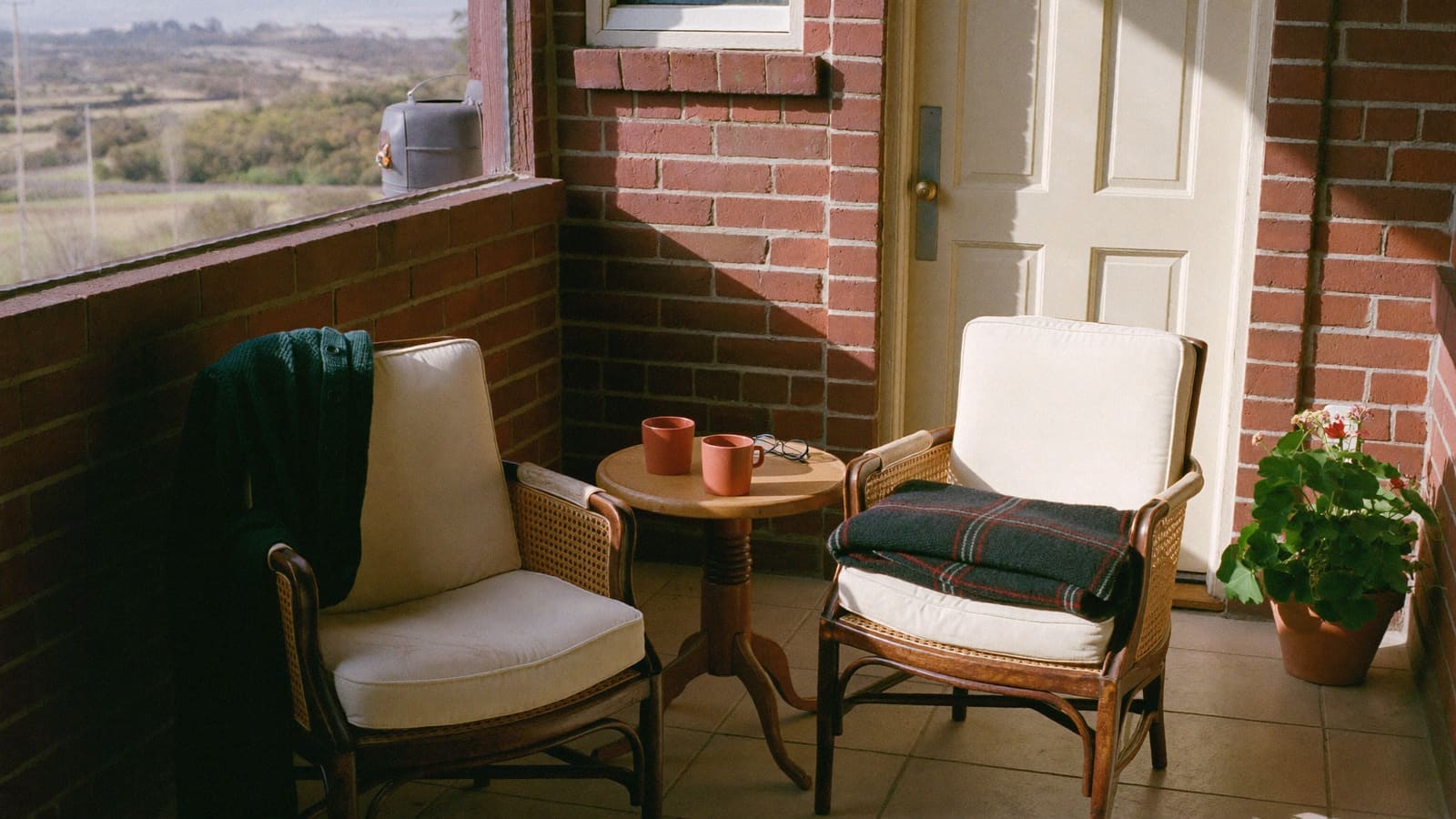
Caring for a partner is not like caring for a parent. Staying a couple, accepting help without feeling you have failed, and looking after yourself.
5 October 2026