Guides
Foot care and podiatry at home
The Aldera team Published 2 September 2026
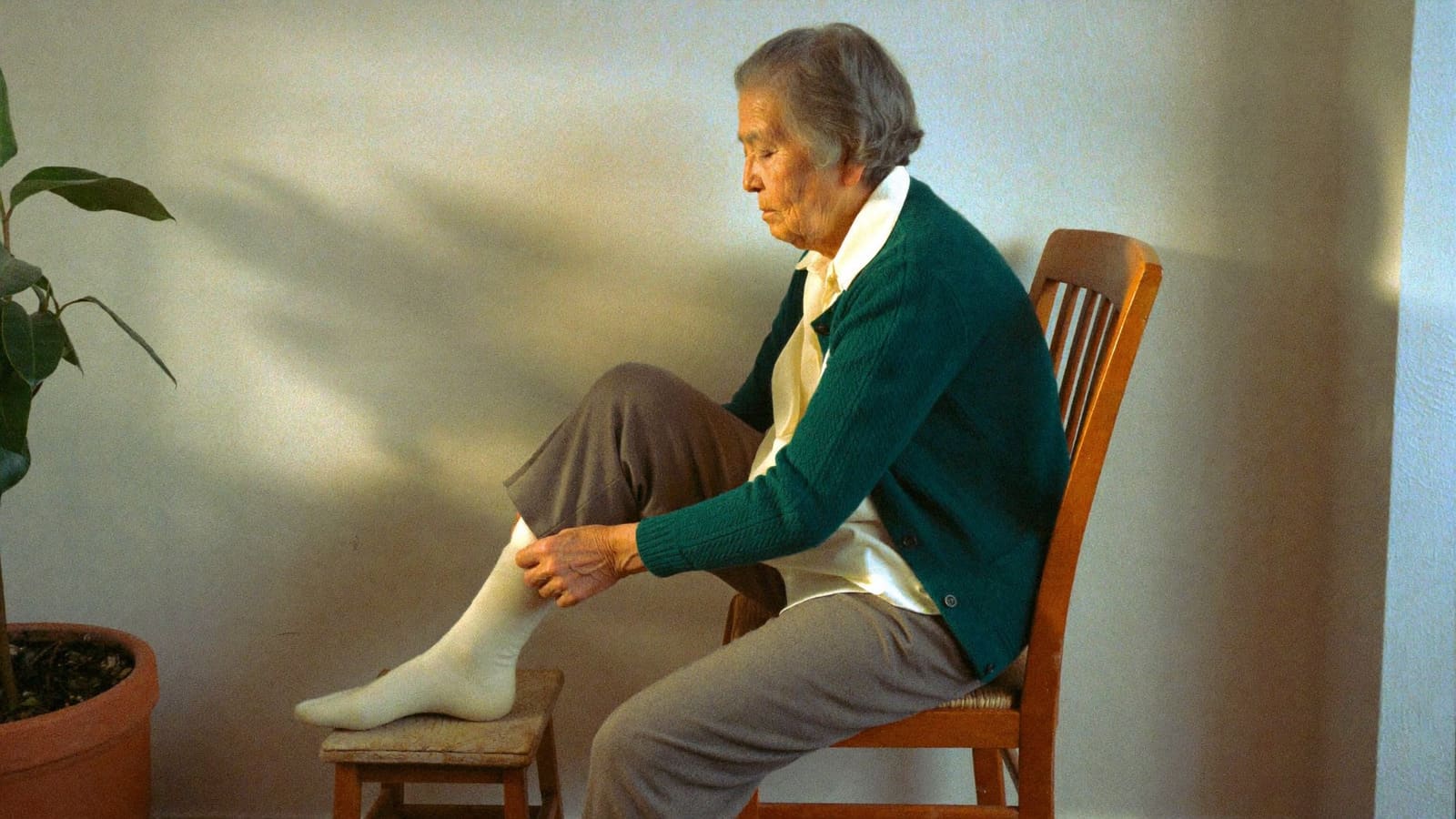
Illustrative. Does not depict Aldera clients or staff.
This is the least glamorous item in aged care and one of the most consequential.
Feet decide whether a person walks. Walking decides whether they keep their strength, get out of the house, see anyone and stay independent. A corn, an ingrown nail or a pair of shoes that do not fit can quietly take all of that away, and the decline usually gets blamed on age rather than on the foot.
This is general information, not advice. Foot problems, and especially any foot problem in someone with diabetes, need a clinician.
What a podiatrist deals with
Nails. Thickened, hard or overgrown nails that cannot be managed at home, and ingrown nails. Extremely common with age, and a genuine reason people stop walking properly.
Corns, callus and hard skin. Treatable in a single appointment, and the relief is immediate.
Pain. Heel pain, forefoot pain, arthritic joints, bunions.
Skin and infection. Fungal infection, cracked heels, and wounds or ulcers, which need prompt attention.
Circulation and sensation checks, particularly for people with diabetes.
Footwear. Which shoes, which socks, and what to throw out.
Orthotics and insoles, where the way a foot loads needs changing.
The three things that cause most trouble
Nails nobody can cut. As nails thicken they become genuinely impossible to manage with household clippers, and reaching them becomes impossible too. So they get left, and then they hurt, and then the person walks differently. This is the single most common reason for a first podiatry appointment and it is a completely solvable problem.
Slippers. Soft, loose, worn flat, no back, no grip. They are the most dangerous footwear in the house and they are what most people wear all day. A proper shoe with a firm heel, a back, a grip sole and a fastening that can be done up is one of the cheapest falls interventions available.
Shoes bought years ago. Feet change shape and widen with age, and swelling varies through the day. A shoe that fitted at seventy may be pressing at seventy-eight, and pressing causes the callus and the ulcer.
What to check between appointments
For most people, a look once a week. For anyone with diabetes, follow the GP’s advice, which is usually daily.
- Any cut, crack, blister or broken skin
- Redness or a warm patch, especially over a bony point
- Colour changes, or a toe that looks different from its neighbours
- Swelling, particularly on one side only
- Nails digging in at the corners
- Anything wet, weeping or smelling
- New pain, or a change in how someone is walking
Anything that involves broken skin on the foot of a person with diabetes should be looked at promptly rather than watched. That is not caution for its own sake, it is because those wounds can deteriorate quickly.
Getting a look at the sole of your own foot in your eighties is genuinely difficult. A mirror on the floor works. So does asking someone.
Where support work fits, and where it stops
Worth being precise, because this is a boundary families often assume wrongly.
A support worker can help with washing and drying feet properly, especially between the toes, applying a moisturiser that has been recommended, helping someone into socks and shoes, checking the feet visually and reporting what they see, and getting the person to the podiatrist. Our transport support covers that last part.
A support worker does not cut nails, does not treat corns or callus, and does not dress wounds. Nail cutting in an older person, particularly anyone with diabetes or poor circulation, is a clinical task with real consequences if it goes wrong. Wound care is nursing work, and where that is needed it belongs with a registered nurse and it belongs in the care plan. The boundary is set out in home nursing and support work.
What consistent support adds here is eyes. A person who helps with socks twice a week is the person who notices the red patch in the week it appears rather than the month it ulcerates.
Getting to one
Ask the GP. They can advise on how often feet should be reviewed and can refer, and podiatry can be funded through aged care arrangements, through Medicare arrangements set up by a GP for some chronic conditions, or through DVA for eligible veterans. Because the rules depend on your circumstances, ask what applies to you.
Once you are seeing someone, put the next appointment in the calendar before you leave. Foot care works on a cycle of weeks, and the appointment that never gets rebooked is how people end up back where they started.
For current information start at myagedcare.gov.au or read our overview of allied health at home. If you want the podiatry booked and the foot checks built into a support arrangement, that is part of what we coordinate. Ring us and a person will answer.
Part of our Our services guide.
Not sure where you fit?
Call us and a real person will talk it through, no obligation and no script.
Call 1300 998 928Common questions
Why is foot care so important for older people?
Because feet are what keep someone mobile, and mobility is what keeps them independent. A painful foot changes how a person walks, which affects balance and makes falls more likely, and it also makes them walk less, which loses strength quickly. A great deal of decline that gets attributed to age generally is actually one untreated foot problem.
Can a podiatrist visit you at home?
Many do, and it suits people who find getting out difficult, which is often exactly the people who most need it. Availability varies by area, so ask when you book. A home visit also lets the podiatrist look at the shoes and slippers actually being worn, which is half the problem in many cases.
Why does diabetes change foot care?
Diabetes can reduce sensation and blood supply in the feet, which means a small injury may not be felt and may heal poorly. That makes regular professional foot checks important rather than optional, and it means minor problems should be looked at promptly rather than watched. Anyone with diabetes should ask their GP how often their feet should be reviewed.
More guides
-
Guides
Drinking enough water in later life
Why older people drink less without noticing, the signs of dehydration to watch for, and small habits that make drinking easier at home.
15 October 2026
-
Guides
Recognising elder abuse and where to get help
The forms elder abuse takes, the quiet signs families and workers notice, and who to contact in NSW if you are worried about an older person.
15 October 2026
-
Guides
Talking to a parent about giving up driving
Signs driving is getting harder, how to raise it without a fight, who can give an independent view, and how to keep a parent getting out once the keys go.
15 October 2026