Guides
Staying at home vs moving to residential care
The Aldera team Published 26 August 2026

Illustrative. Does not depict Aldera clients or staff.
This is rarely a purely practical decision. It is tangled up with a home, a garden, a street, and decades of memory. So let us treat it as it deserves to be treated: calmly, and honestly.
Start with what the person actually wants
Most older people, asked plainly, want to stay in their own home. That instinct matters and should carry real weight. The question is not “home or facility” in the abstract, but “can we make home safe and supported enough, for now?”
Often the answer is yes, and for longer than families expect. Support at Home can fund a surprising amount of help: personal care, meals, transport, domestic help, nursing and companionship, all delivered where you already live.
The questions that actually help
- What is genuinely hard right now? Be specific. Showers, nights, meals, medications, loneliness.
- What would make each of those safe? Some need equipment. Some need a person. Some need both.
- Who would provide it, and would it be the same people? A home full of rotating strangers is not really staying home.
- What does the person fear losing? Sometimes it is independence. Sometimes it is a pet, a garden, a routine. Naming it changes the conversation.
Where in-home care fits
In-home care shines when needs are moderate, when routine and familiarity matter, and when the goal is to keep living rather than to be managed. Aldera’s model is built for exactly this: a small Care Circle who learn your routines and keep them, so staying home feels like living, not coping.
When residential care is the kinder choice
There is a point where care needs become high and complex enough that safe support at home is no longer realistic, especially overnight. A trustworthy provider will tell you when you are approaching that point, honestly, rather than stretching a home arrangement past what is safe. That honesty is part of good care too.
If you are weighing this up, call us. We will give you a straight read on whether home is workable for your situation, even if the answer is “not on your own, yet.”
This guide is general information and not medical advice.
Part of our The Aldera way guide.
Not sure where you fit?
Call us and a real person will talk it through, no obligation and no script.
Call 1300 998 928Common questions
Is in-home care cheaper than residential care?
They are funded differently and the right comparison depends on your needs and finances. Many people are surprised how much support can be delivered at home under Support at Home. The honest answer comes from your assessment and a real conversation, not a blanket rule.
When is residential care the better choice?
When care needs are high and complex enough that safe, round-the-clock support at home is not realistic. A good in-home provider will tell you honestly when that point is near, rather than stretching a home arrangement past what is safe.
More guides
-
Guides
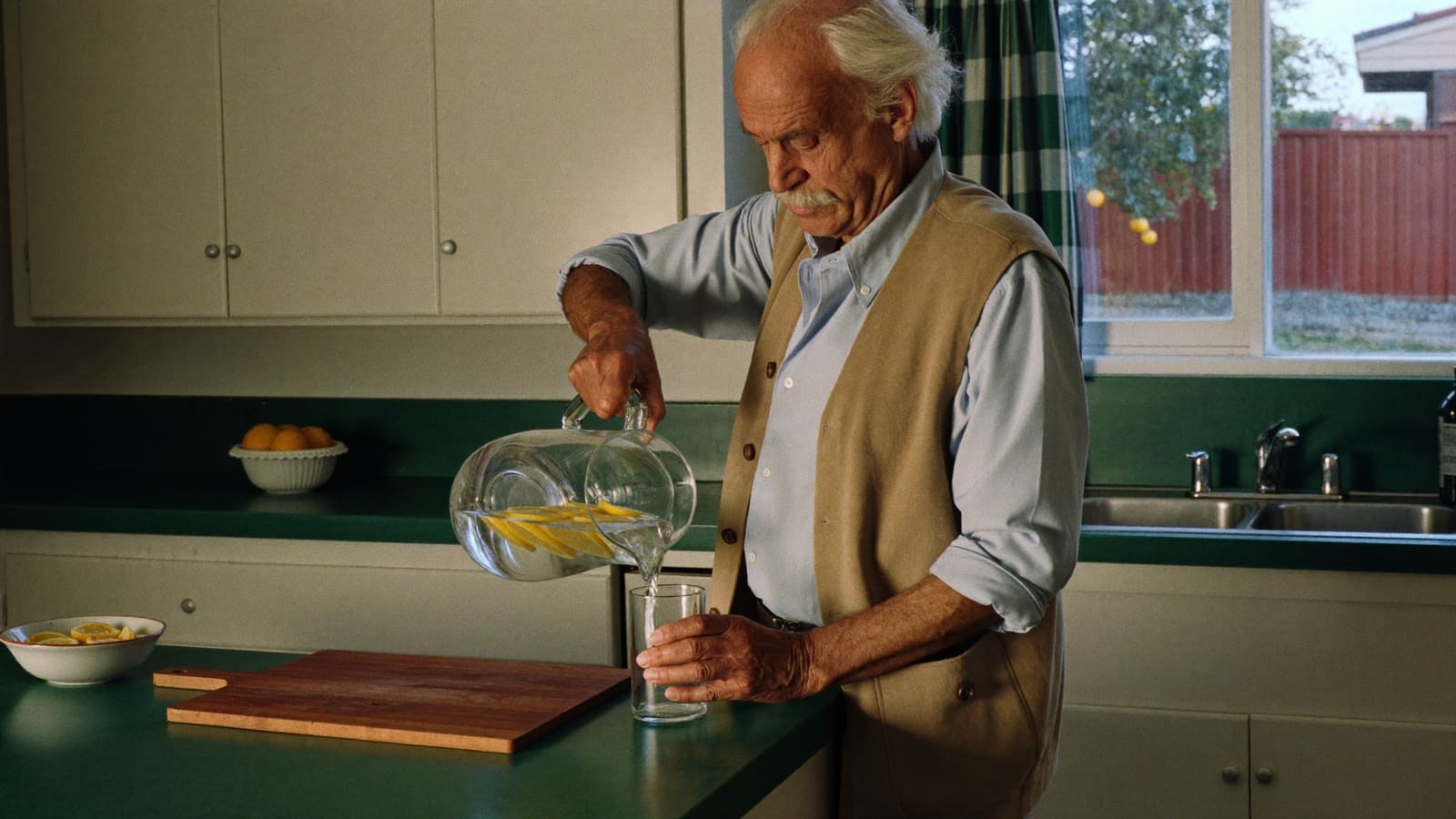
Drinking enough water in later life
Why older people drink less without noticing, the signs of dehydration to watch for, and small habits that make drinking easier at home.
15 October 2026
-
Guides
Recognising elder abuse and where to get help
The forms elder abuse takes, the quiet signs families and workers notice, and who to contact in NSW if you are worried about an older person.
15 October 2026
-
Guides
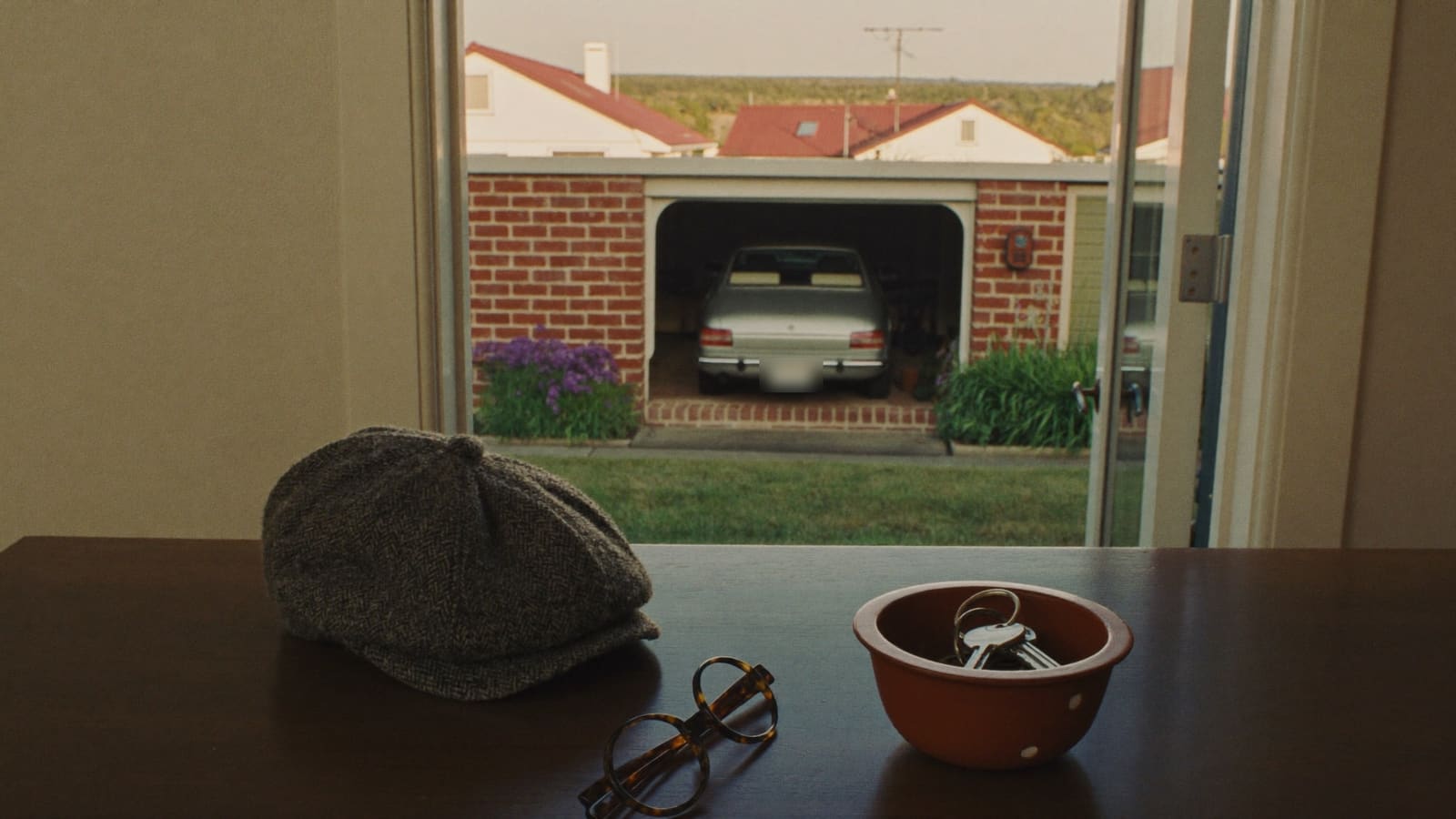
Talking to a parent about giving up driving
Signs driving is getting harder, how to raise it without a fight, who can give an independent view, and how to keep a parent getting out once the keys go.
15 October 2026