Guides
Wound care and skin at home
The Aldera team Published 15 September 2026
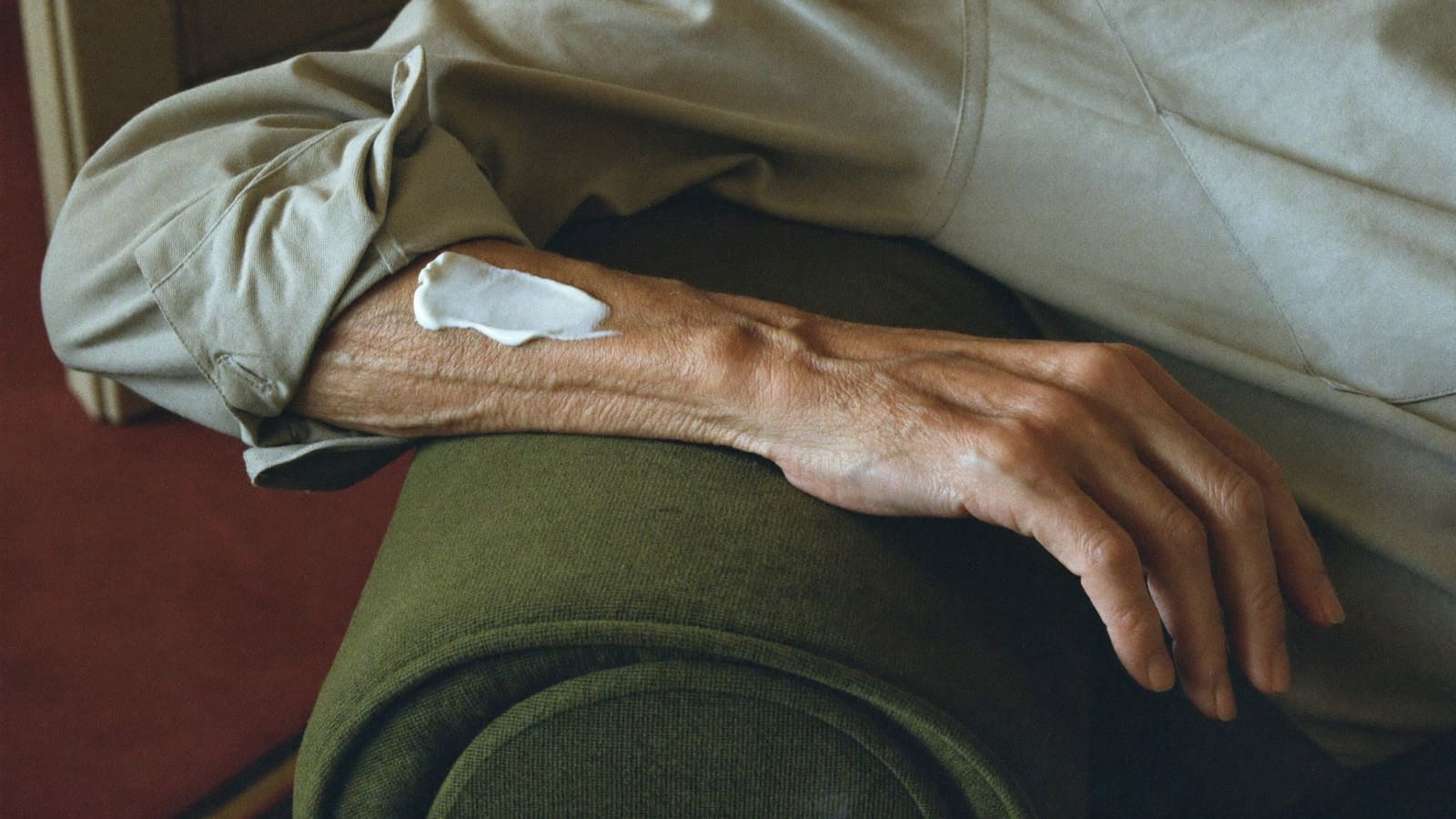
Illustrative. Does not depict Aldera clients or staff.
Skin is the thing people notice last and worry about least, right up until the point where a small graze on a shin has been there for six weeks.
This guide is general information, not clinical advice. Any actual wound belongs with a nurse or a GP, and nothing below is a substitute for having someone look at it.
Why it is different at eighty
Three things change, and they compound.
Skin gets thinner and drier, because it makes less of the oil that used to keep it supple. The fatty layer underneath thins out too, so a knock that would once have been absorbed now reaches the skin itself. And the whole repair process runs slower, so a wound that would have closed in days takes weeks.
Add a blood thinner, or years of steroid use for asthma or arthritis, and skin can tear from something as small as a sleeve being pulled off.
That is why prevention is not a soft topic here. Almost everything that causes a skin tear in an older person’s home is preventable furniture.
The daily things that actually help
- Wash with something that is not soap. Ordinary soap strips what little oil is left. A soap-free wash, water that is warm rather than hot, and a pat dry rather than a rub.
- Moisturise every day, and do it properly. A plain, unperfumed moisturiser, applied generously, and applied soon after washing while the skin is still slightly damp. Legs and forearms especially. Daily beats occasional by a wide margin, and this single habit prevents more tears than anything else on this list.
- Cover the vulnerable bits. Shins and forearms take almost all of it. Long sleeves and long trousers, or purpose-made protectors, are unglamorous and highly effective.
- Pad the furniture, not the person. Walk the house looking for hard edges at shin height. Coffee table corners, bed frames, the dishwasher door left open, the metal foot of a walking frame. It is the same walk-through you would do for falls, with your eyes lowered a foot.
- Keep nails short. Both the person’s and anyone helping them. A great many tears come from a helping hand.
- Move. Sitting in the same chair for six hours puts steady pressure on the same few points, and pressure injuries start out of sight. Changing position regularly matters more than any cushion.
- Drink and eat enough. Skin repair needs fluid and protein. If appetite has dropped away, that is worth treating as its own problem rather than as fussiness.
- Turn the lights up. Most knocks happen in poor light. This overlaps almost entirely with the low vision and falls work in the same house.
Feet get their own paragraph
Feet are where small skin problems turn serious quietly, because they are hard to see, easy to ignore and inside a shoe all day.
If diabetes is in the picture, this stops being general housekeeping and becomes a clinical matter with its own rules, covered in managing diabetes at home. Anyone with diabetes should have their feet checked regularly by someone qualified, and should not be trimming their own corns or calluses.
Who does what
The line matters, and a good provider states it plainly.
A registered or enrolled nurse assesses a wound, decides on and changes dressings, and escalates when it is not going the right way. A GP diagnoses, prescribes and refers.
A support worker does none of that. What they do is everything around it: help with washing and moisturising, help with clothing that protects, keep the floor clear, and notice. That noticing is not a small contribution. Skin changes are gradual, and the person most likely to catch one early is somebody who saw the same leg last Tuesday.
Home nursing and support work sets out the full division of labour.
When to ring someone today
Not tomorrow, today, and ring the GP or the nursing service rather than looking it up.
- Redness that stays red when you press it, or any area that is hot, swollen or increasingly painful.
- A wound that smells, weeps more than it did, or looks worse than it did yesterday.
- A wound that is simply not improving the way you were told to expect.
- Any new dark, purple or broken patch over a bony point such as a heel, hip, tailbone or elbow.
- Fever, shivering or new confusion alongside any of the above.
That last one matters. In older people an infection quite often announces itself as confusion before anything else, so a sudden change in someone’s clarity is a reason to act, not to wait and see.
Coming home with a wound
If someone is discharged with a dressing in place, the arrangements for continuing it should be settled before they leave, not chased afterwards. Who is coming, how often, who supplies the materials, and who to ring at the weekend. Coming home from hospital covers that conversation, and it is worth having while you still have a ward and a discharge planner in front of you.
Where consistency earns its keep
A wound is a comparison over time, and comparison needs somebody who was there last week.
At Aldera skin risk sits in the One Story record along with the blood thinner, the shin that is still healing, and the fact that the left forearm is the one that catches on things. The same small Care Circle comes back, so a change registers as a change rather than as how it has always looked.
For what is funded and how it is arranged, start at myagedcare.gov.au and raise skin and wound care specifically at your assessment.
Part of our Our services guide.
Not sure where you fit?
Call us and a real person will talk it through, no obligation and no script.
Call 1300 998 928Common questions
Can a support worker change a dressing?
Generally no. Assessing a wound and changing a dressing is clinical work and sits with a registered or enrolled nurse, and a good provider will be clear about that line rather than blurring it. What a support worker can do is the daily prevention, help with washing and moisturising, and tell someone promptly when skin has changed. Ask your provider exactly where they draw the line and get it written into your plan.
Why does my skin tear so easily now?
Skin thins with age, produces less oil, and loses some of the fatty layer underneath that used to absorb a knock. Long-term steroid use and blood thinners both add to it. The result is that a bump against a door frame or a chair leg, which would once have left nothing, can open the skin. This is why the padding and the long sleeves below are worth more than they sound.
Is wound care covered by a home care package?
Clinical care including nursing is part of what in-home aged care can cover, but what your own plan includes is decided through your assessment and set out in your agreement, and some people receive wound care through their GP or a community nursing service instead. Ask at your assessment and ask your provider to confirm in writing rather than assuming either way.
More guides
-
Guides
Drinking enough water in later life
Why older people drink less without noticing, the signs of dehydration to watch for, and small habits that make drinking easier at home.
15 October 2026
-
Guides
Recognising elder abuse and where to get help
The forms elder abuse takes, the quiet signs families and workers notice, and who to contact in NSW if you are worried about an older person.
15 October 2026
-
Guides
Talking to a parent about giving up driving
Signs driving is getting harder, how to raise it without a fight, who can give an independent view, and how to keep a parent getting out once the keys go.
15 October 2026