Resources
Aged care contacts you can actually call
The Aldera team Published 29 August 2026
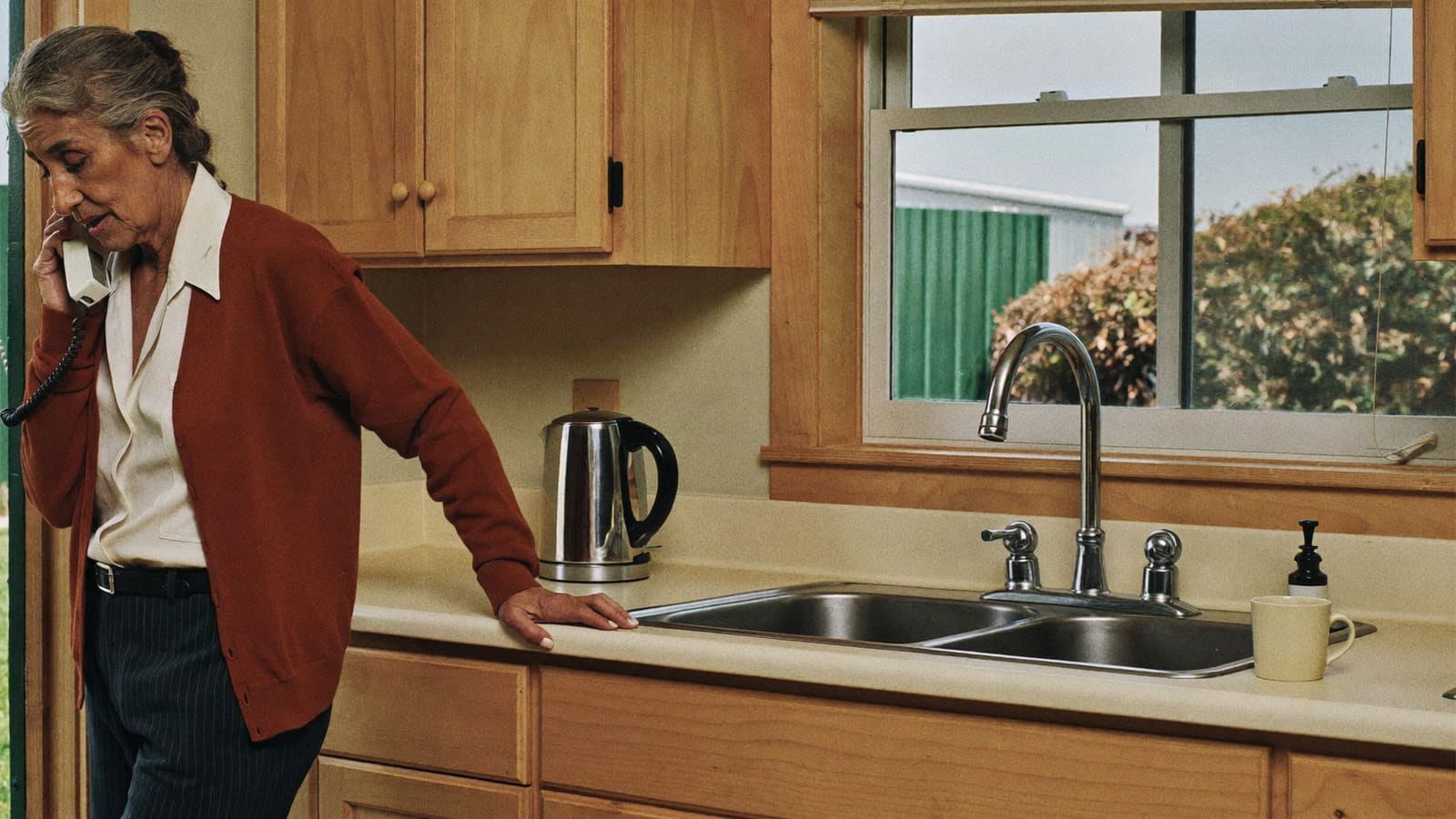
Illustrative. Does not depict Aldera clients or staff.
Aged care has a lot of phone numbers and almost no signposting. This is the short list worth keeping somewhere findable, with what each one actually does.
Every number here was checked against the organisation’s own website on 29 August 2026. Numbers do change, so each entry links to the official page. This is general information, not advice.
Start here
My Aged Care, 1800 200 422 The front door to everything government funded. Registration, requesting an assessment, finding providers, checking where your application is up to. Open weekdays and Saturday mornings. If you do not know who to ring, ring this one. myagedcare.gov.au
Have the person’s Medicare number ready, and be aware they will want to speak with the older person themselves unless a representative has been set up. Our assessment guide covers what to expect.
When something is wrong
Aged Care Quality and Safety Commission, 1800 951 822 Complaints about a government-funded aged care provider. Raise it with the provider first if you reasonably can, but you do not need their permission and you can complain anonymously or confidentially. Weekdays 9am to 5pm. agedcarequality.gov.au
Older Persons Advocacy Network, 1800 700 600 Free, independent and confidential advocacy. This is the one most people have never heard of and the one most worth knowing. An advocate can help you understand your rights, prepare for a difficult conversation with a provider, or speak on your behalf. Weekdays 8am to 8pm and Saturday 10am to 4pm. opan.org.au
National Elder Abuse Helpline, 1800 353 374 Also reachable as 1800 ELDERHelp. It redirects to the service in your state or territory. For concerns about financial, physical, emotional or other abuse of an older person.
For the carer, not the person cared for
Carer Gateway, 1800 422 737 The national service for family and friend carers in their own right. Counselling, coaching, peer support, and planned and emergency respite. Separate from the care recipient’s aged care package, so it is worth calling even while an assessment is still pending. carergateway.gov.au
Our respite guide explains how the two funding doors fit together.
Health and dementia
National Dementia Helpline, 1800 100 500 Free and confidential, 24 hours a day, every day. Information, advice and emotional support for people living with dementia, their families and carers, whether or not there is a diagnosis yet. dementia.org.au
healthdirect, 1800 022 222 A registered nurse, 24 hours a day, for when something is worrying but it is not an emergency and the GP is closed. Known as NURSE-ON-CALL in Victoria. healthdirect.gov.au
Lifeline, 13 11 14 24-hour crisis support and suicide prevention. lifeline.org.au
Emergency, 000 Ambulance, police, fire. If someone has fallen and cannot get up, is having chest pain, or is in immediate danger, this is the call. Do not ring a helpline first.
Getting through in your own language, or with a hearing or speech difficulty
TIS National, 131 450 Free phone interpreting, 24 hours a day. Ring TIS first, ask for your language, and ask them to connect you to the number you need. You can use it to call My Aged Care and most government services. tisnational.gov.au
National Relay Service, 133 677 For people who are deaf or hard of hearing, or who have a speech difficulty. accesshub.gov.au
If language matters in your household, it is also worth raising with your provider directly rather than only at the government end. See languages and cultural care.
What to have in front of you before you ring
It saves a second call.
- The older person’s full name, date of birth and Medicare number
- Their address, and whether they live alone
- The GP’s name and practice
- A short list of what has changed and roughly when
- Any existing My Aged Care reference number
- Whoever is making the call: their relationship, and whether they are a recorded representative
Set up representative status the first time you speak to My Aged Care. Without it you will be told, repeatedly, that they can only discuss the matter with the person themselves.
Print this bit
| Who | Number |
|---|---|
| Emergency | 000 |
| My Aged Care | 1800 200 422 |
| Aged Care Quality and Safety Commission | 1800 951 822 |
| Older Persons Advocacy Network | 1800 700 600 |
| Carer Gateway | 1800 422 737 |
| National Dementia Helpline | 1800 100 500 |
| National Elder Abuse Helpline | 1800 353 374 |
| healthdirect | 1800 022 222 |
| Lifeline | 13 11 14 |
| TIS National (interpreting) | 131 450 |
| National Relay Service | 133 677 |
Stick it on the fridge. That is genuinely where it is most use.
Our one-page starting plan covers the order to do things in, and if you would rather talk it through with a person, get in touch.
Part of our How funding works guide.
Not sure where you fit?
Call us and a real person will talk it through, no obligation and no script.
Call 1300 998 928Common questions
What number do I ring first about aged care?
My Aged Care on 1800 200 422. It is the front door to everything government funded, including registration, assessment and finding services. If you are not sure who to call, start there and they will point you on.
Who do I call if I have a problem with my aged care provider?
Try the provider first, in writing if you can. If that does not resolve it, the Aged Care Quality and Safety Commission takes complaints on 1800 951 822. You do not need your provider's permission, and you can complain anonymously.
Is there a number for the family carer rather than the person receiving care?
Yes. Carer Gateway on 1800 422 737 is the national service for carers themselves, separate from the care recipient's package. It covers counselling, coaching, and planned and emergency respite.
More resources
-

Resources
An emergency grab bag checklist
What to pack in a grab bag for an older person, for a fire, flood, power cut or sudden hospital trip, and how to keep it up to date.
15 October 2026
-

Resources
Protecting an older parent from scams
A practical checklist for families to help an older person spot scams, set up simple safeguards and know what to do if money has already been lost.
7 October 2026
-

Resources
Questions to ask about a new medicine
A short list to take to the GP or pharmacy whenever a new medicine is started, so you leave knowing what it is for, how to take it and what to watch for.
5 October 2026