Guides
Physiotherapy at home for older people
The Aldera team Published 2 September 2026
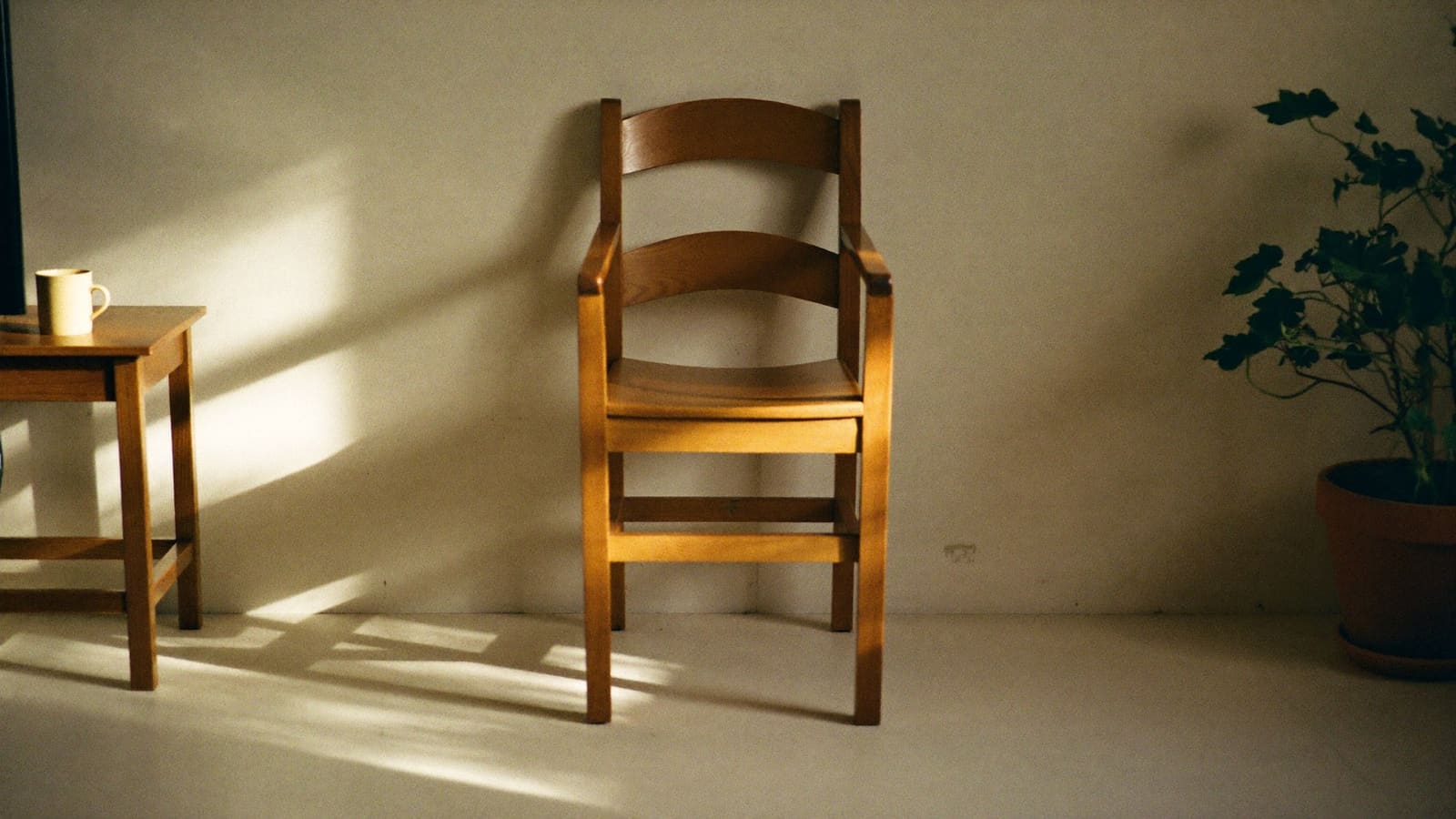
Illustrative. Does not depict Aldera clients or staff.
Of everything in aged care, this is the intervention with the best evidence behind it and the worst follow-through.
Physiotherapy makes people stronger and steadier, and stronger steadier people fall less, go to hospital less and stay home longer. Nobody disputes it. And yet the standard pattern is one assessment, a printed sheet of exercises, and nothing afterwards.
This is general information, not advice. What a particular person should be doing is a clinical decision for a physiotherapist and a GP.
What a physiotherapist actually does
Assesses how you move. Not in the abstract. Getting out of your chair, off your bed, up your step, along your hallway, into your shower. This is why a home visit beats a clinic.
Sets a programme. Usually strength and balance work, unglamorous and repetitive, built around the furniture in your house.
Rehabilitates after something. A fracture, a joint replacement, a stroke, a chest infection, or two weeks in a hospital bed. Recovery after a hospital stay is one of the strongest reasons to get a physio involved, and our guide to coming home from hospital covers the rest of that fortnight.
Works on pain and mobility. Backs, knees, hips, shoulders.
Advises on walking aids. Which one, and at what height. A stick or frame set wrong makes a person less stable rather than more, and this is measured, not guessed.
Why the exercises are the whole thing
A physiotherapist can assess brilliantly and it will change nothing unless the programme gets done.
The programme is usually short, five or ten minutes, and dull: standing up from a chair without using your hands, standing on one leg while holding the bench, heel raises, stepping in different directions. It looks like nothing. Done three or four times a week for three months, it is the difference between a person who catches themselves when they trip and a person who goes down.
The reason it does not happen is not laziness. It is that nobody is there when it is meant to happen, there is no cue in the day for it, and progress is invisible from the inside so it feels pointless in week two.
What fixes that is boringly practical. Tie it to something that already happens, like after breakfast. Keep it where it happens, so the chair stays where the exercise is done. Have someone doing it with you, or at least asking. And get the programme written into the household’s own record rather than left on a sheet in a drawer, which at Aldera is what the One Story is for.
After a fall, or a near miss
A fall is a medical event and it needs a GP, because there is often a treatable cause: blood pressure, medication, an infection, vision, an irregular heart rhythm. Get that looked at first.
Then get a physiotherapist, promptly. What happens after a fall, if nothing is done, is that the person becomes frightened. Fear is rational and it is also dangerous, because it makes people sit down, and sitting down makes them weaker, and weaker people fall. That spiral is the reason a fall so often turns into residential care six months later, and interrupting it early is far easier than reversing it late.
Confidence is trainable in the same way strength is. Practising the thing that frightens them, supervised, is what rebuilds it.
What a physiotherapist is not
They are not who assesses your house for rails and ramps. That is an occupational therapist, and the two are frequently confused. If the question is “which wall does the rail go on”, see what an occupational therapist does at home. If the question is “why is she unsteady”, it is a physiotherapist.
In practice a lot of households need both, working from the same plan.
Where support work fits
A support worker is not a physiotherapist and cannot set or change a programme. What they can do is the part that decides whether any of this works: being there when the exercises are meant to happen, prompting and supervising them, doing them alongside the person, and reporting back honestly about whether they are actually being done.
That last point is worth stating plainly, because it is the information the clinician never has. A physiotherapist sees someone for forty minutes a month. Somebody who is in the house three times a week knows whether the programme has been touched since the last visit, and whether the person is steadier on a Tuesday than they were a month ago.
For general aged care and allied health information start at myagedcare.gov.au. If you want the physiotherapy arranged as well as supervised, that is part of what we coordinate. Ring us and a person will answer.
Part of our Our services guide.
Not sure where you fit?
Call us and a real person will talk it through, no obligation and no script.
Call 1300 998 928Common questions
Can a physiotherapist come to your house?
Many do, and for older people it is usually the better option. A physiotherapist can only see how you actually manage your own back step, your own hallway and getting out of your own chair if they are standing in your house. They can also set a programme that uses the furniture you already own rather than gym equipment you do not.
How often do the exercises need to be done?
Far more often than most people expect, and that is the whole difficulty. A single visit achieves very little on its own. The benefit comes from a short programme done several times a week for months, which is why who supervises it between visits matters as much as the assessment itself.
Is it too late to build strength in your eighties?
No. Strength and balance respond to training at any age, and improvement is well documented in people in their eighties and nineties. What changes with age is how quickly strength is lost when someone stops moving, which is why a fortnight in bed does so much damage and why getting going again promptly matters.
More guides
-
Guides
Drinking enough water in later life
Why older people drink less without noticing, the signs of dehydration to watch for, and small habits that make drinking easier at home.
15 October 2026
-
Guides
Recognising elder abuse and where to get help
The forms elder abuse takes, the quiet signs families and workers notice, and who to contact in NSW if you are worried about an older person.
15 October 2026
-
Guides
Talking to a parent about giving up driving
Signs driving is getting harder, how to raise it without a fight, who can give an independent view, and how to keep a parent getting out once the keys go.
15 October 2026