Guides
Counselling and psychology in later life
The Aldera team Published 2 September 2026
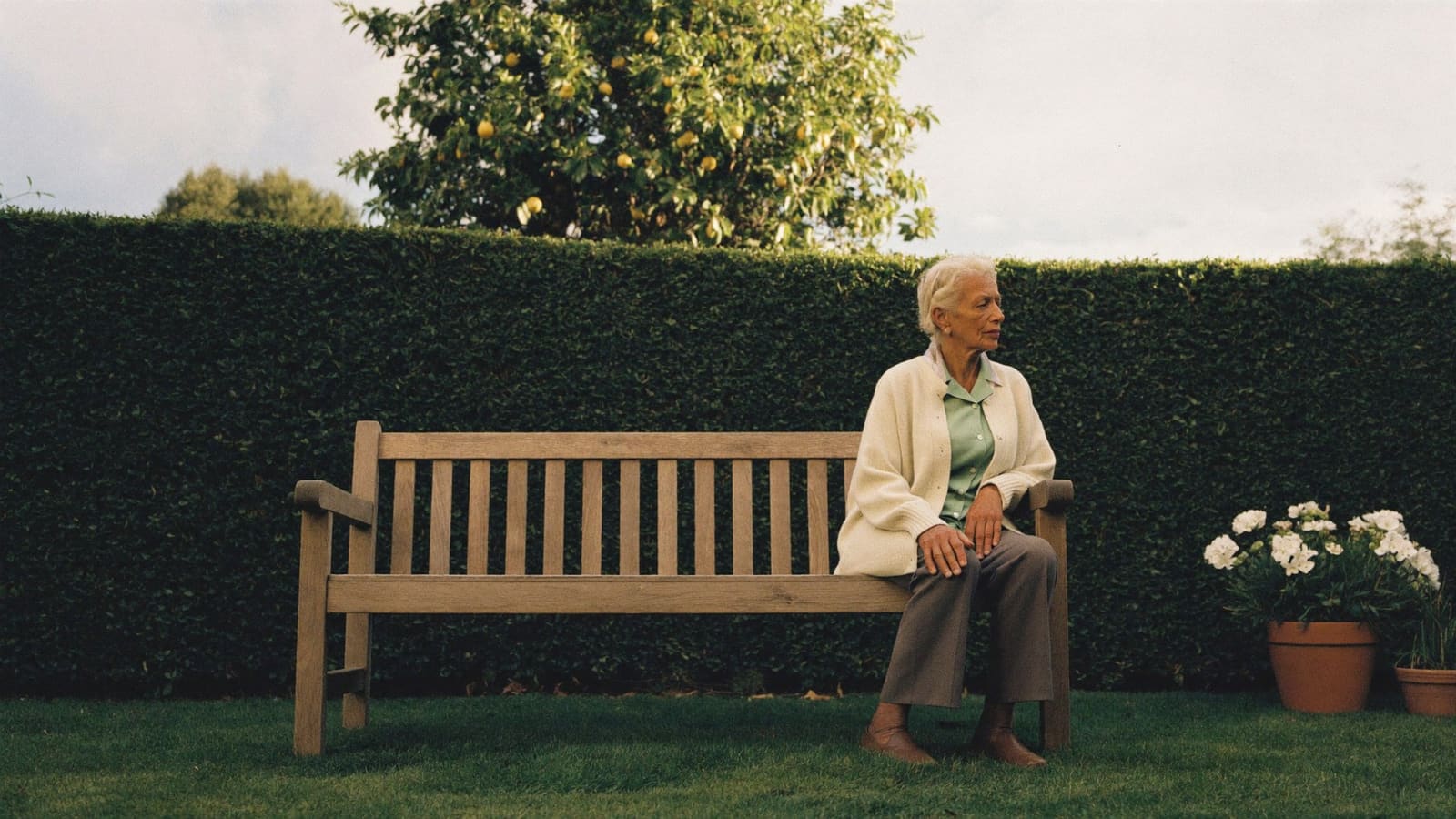
Illustrative. Does not depict Aldera clients or staff.
Late-life depression is common, treatable, and constantly missed. It is missed because it rarely announces itself as sadness, and because almost everyone involved, including the person with it, assumes this is simply what being old feels like.
It is not. And the difference between treated and untreated is very large.
This is general information, not advice. Depression and anxiety are health conditions and belong with a GP.
Why it gets missed
Three reasons, and they compound each other.
It does not look like sadness. It looks like not being interested any more. Not answering the phone, not watching the programme they always watched, not wanting the outing they used to look forward to. It also looks like irritability, poor sleep, no appetite, and aches with no clear cause.
It looks like something else. Poor concentration and memory trouble are common features of depression, and in an older person they get read as early dementia. That mistake matters, because one of them is very treatable. This is a reason to have a proper assessment rather than a family conclusion.
The person minimises it. This generation was not raised to discuss mood, and many will tell you plainly that they have nothing to complain about. That is not denial so much as a different vocabulary, which is why the useful questions are about behaviour rather than feelings.
What tends to sit behind it
Loss, mostly, and a great deal of it arriving at once: a spouse, friends, a driving licence, a house, a role, a body that worked. Chronic pain and long-term illness. Some medications. Isolation, which is both a cause and a consequence. And sensory loss, which is badly underrated: someone who cannot hear a conversation stops joining in, and stopping joining in looks exactly like depression. Get hearing and vision checked, as covered in hearing and vision, the checks people skip.
What actually helps
A GP appointment first. They can assess, rule out physical causes such as thyroid problems and vitamin deficiency, review medications, treat, and refer. Book a long appointment and say plainly what you have noticed.
Psychological therapy. It works in older adults, which surprises people who assume therapy is for the young. Talking therapies have good evidence in this age group, including for grief and for adjusting to illness and disability.
Medication, where it is indicated, which is a decision for the GP.
Getting out of the house, on a schedule. Not advice to cheer up. A reason to be somewhere, regularly, with someone. This is the one thing families can arrange without a referral, and it does real work.
Sorting the practical. Fear about money, about the house, about what happens next is a genuine driver of anxiety, and some of it is solvable. A free advocate can help with the system side, which is covered in aged care advocacy.
Raising it with someone who will resist
Do not open with mood. Open with a behaviour and a fact.
“You have not been to bowls since Easter” is much harder to bat away than “are you depressed”, and it does not ask them to accept a label. Then let it sit rather than pushing.
A few things that make the conversation more likely to work. Go via the body, because sleep, appetite and tiredness are all legitimate reasons to see a GP and all lead to the same appointment. Offer to come along rather than to arrange it for them. Do not argue with “I am fine”; say what you have noticed and leave the door open. And avoid making it a family intervention, because being outnumbered produces resistance rather than agreement.
If someone talks about not wanting to go on, or about being a burden, take it seriously and speak to the GP promptly. Do not sit on it hoping it passes.
Grief is not depression, and both are real
A widower who is flattened eight months after his wife died is grieving, and grief is not an illness. It does not need treating so much as it needs company and time.
The reason to involve a GP anyway is that the two overlap, and grief that has stopped moving at all, or that comes with not eating, not sleeping and not leaving the house for months, is worth a professional look. That is not medicalising sadness. It is checking whether something treatable is sitting on top of it.
Where support work fits
A support worker is not a counsellor and should not be positioned as one. What they provide is the thing that is missing in most of these households, which is regular human contact with somebody who knows them.
Company on a schedule, an outing that actually happens, a conversation with someone who remembers what was said last week. None of that treats depression. All of it addresses the isolation feeding it, and it is often the first thing that changes.
It only works if it is the same few people. Explaining yourself to a stranger every week is the opposite of what someone low and withdrawn can manage, which is why we keep the same small Care Circle around a household.
For services start at myagedcare.gov.au, and allied health at home covers how the disciplines fit together. If you are worried about someone and not sure what to do first, ring us and a person will answer. Arranging the psychology or counselling, and getting them to it, is part of what we coordinate.
Part of our The Aldera way guide.
Not sure where you fit?
Call us and a real person will talk it through, no obligation and no script.
Call 1300 998 928Common questions
Is depression a normal part of getting older?
No. Low mood is common in later life because loss, illness and reduced independence are common, but depression is a treatable condition rather than an inevitable stage. Treating it as normal ageing is the single biggest reason it goes untreated, and that assumption is often made by the person themselves as much as by anyone around them.
How does depression look different in older people?
It often does not look like sadness. It shows up as loss of interest, withdrawal, irritability, poor sleep, poor appetite, physical complaints such as pain or fatigue with no clear cause, and problems with memory and concentration that can be mistaken for dementia. Someone can be seriously depressed and still tell you they are fine.
How do you get counselling for an older person?
Start with the GP, who can assess, treat and refer, and who can set up the arrangements that make psychology sessions affordable for many people. Some psychologists visit at home, and telephone and video sessions are widely available, which matters when getting out is the problem.
More guides
-
Guides
Drinking enough water in later life
Why older people drink less without noticing, the signs of dehydration to watch for, and small habits that make drinking easier at home.
15 October 2026
-
Guides
Recognising elder abuse and where to get help
The forms elder abuse takes, the quiet signs families and workers notice, and who to contact in NSW if you are worried about an older person.
15 October 2026
-
Guides
Talking to a parent about giving up driving
Signs driving is getting harder, how to raise it without a fight, who can give an independent view, and how to keep a parent getting out once the keys go.
15 October 2026