Resources
Equipment and assistive technology at home
The Aldera team Published 2 September 2026
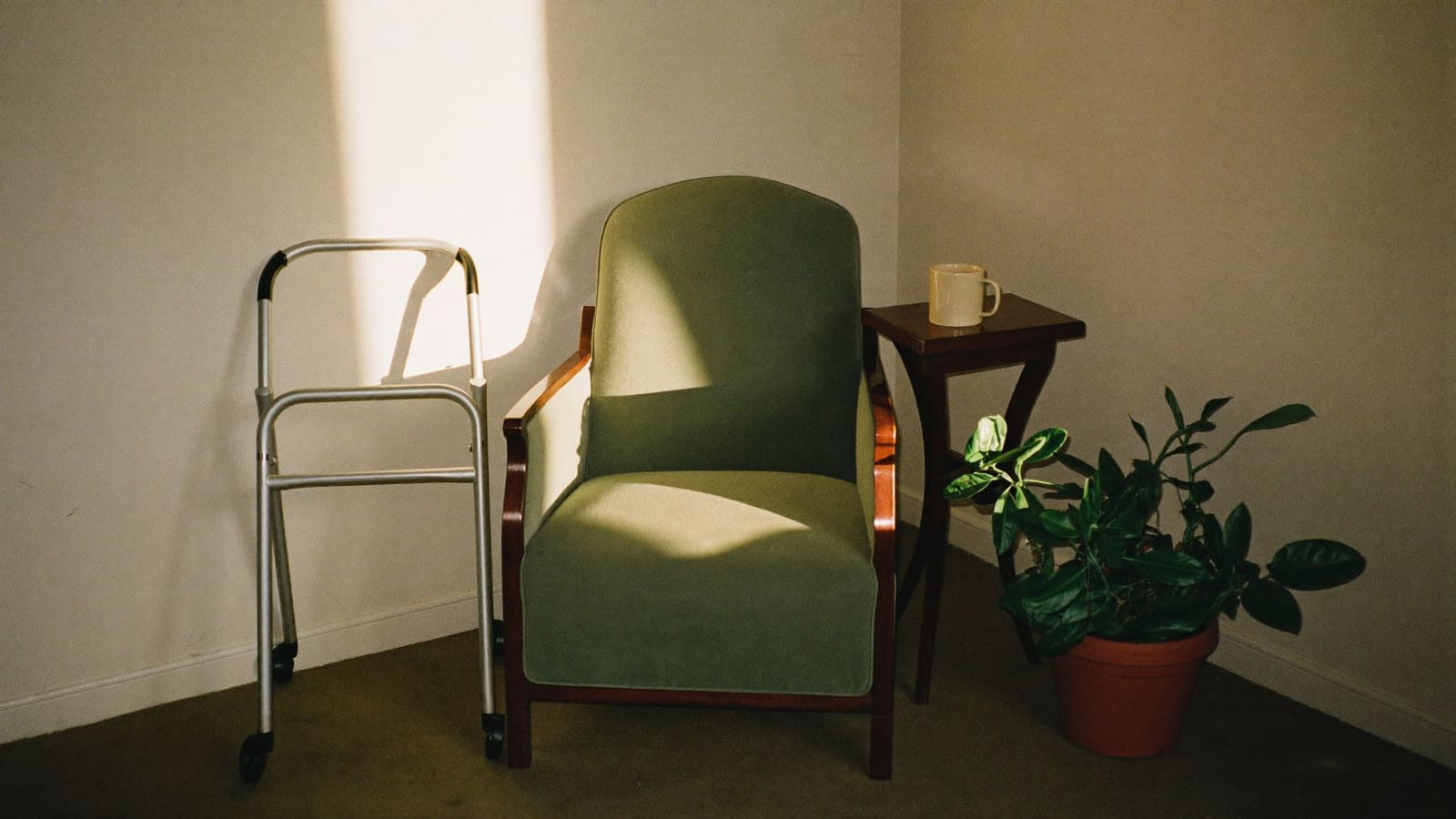
Illustrative. Does not depict Aldera clients or staff.
Equipment is the part of aged care where the most money gets wasted, because it is the part most often bought from a catalogue by someone who is not the person who will use it.
This is a reference list. Work down it, note what is relevant, and take that to an occupational therapist rather than to a shop.
This is general information, not advice. Equipment that carries risk should be prescribed by a clinician who has seen the person and the house.
Getting around
- Walking sticks, and quad sticks for more support
- Pick-up frames, and wheeled walkers for outdoors
- Rollators with a seat and a basket, which are what most people actually want
- Wheelchairs, manual and powered
- Scooters, where distance is the issue rather than balance
- Transfer aids: slide sheets, transfer belts, turntables, hoists
The single most common error here is height. A frame or stick at the wrong height makes a person less stable, and it is set by measuring, not by guessing.
The bathroom and toilet
This is where the best value is, and most of it is inexpensive.
- Grab rails, fixed properly into a stud or backing plate
- Shower stools and benches, including ones that fit a narrow recess
- Handheld shower on a sliding rail
- Over-toilet frames, raised seats, and toilet surrounds
- Bath boards and bath transfer benches
- Long-handled sponges and brushes, which restore independent washing
Bed and bedroom
- Bed rails and bed levers, to get in and out unaided
- Bed blocks and chair raisers, to change the height of what you already own
- Pressure-relieving mattresses and overlays, which are prescribed
- Backrests and wedges
- A bedside light that works without hunting for a switch
Chairs and sitting
- Chair raisers, which are cheap and often enough
- Riser recliners, which are not cheap and should be trialled first
- Pressure-relieving cushions, prescribed
- A firm dining chair with arms, which is frequently more useful than any special chair
Kitchen and everyday tasks
Small, cheap, and disproportionately effective at keeping someone independent.
- Jar and tap turners, and bottle openers
- Kettle tippers, and one-cup boilers
- Non-slip matting for under plates and bowls
- Chunky-handled cutlery, and plates with a raised lip
- Long-handled reachers and pick-up sticks
- Sock aids, long-handled shoehorns, and dressing sticks
- Electric tin openers
Our piece on small things that keep an older person independent at home covers the thinking behind this category.
Seeing, hearing and remembering
- Magnifiers, including lit ones, and large-button phones
- Talking clocks and talking scales
- Amplified phone handsets and TV listening devices
- Pill organisers and timed dispensers with alarms
- Whiteboards and large calendars, which do a lot of work for memory
Safety and monitoring
- Personal alarms and pendants, covered in emergency alarms and personal alerts
- Sensor lights and plug-in night lights
- Smoke alarms, checked and dated
- Stove isolation switches and automatic shut-offs
- Door and movement sensors
How to work through it properly
1. Watch, do not ask. Ask someone what they struggle with and they will tell you nothing. Watch them make a cup of tea and get out of a chair, and you will have your list in ten minutes.
2. Try before you commit. Most suppliers will let you trial, and hire exists precisely for this. An item that suits the person in the shop may not suit the person in their own hallway.
3. Fix the cheap things immediately. A jar turner and a chair raiser today beat a prescribed chair in eleven weeks.
4. Get one clinician to see the whole picture. A frame, a rail and a chair chosen separately by three different people will fight each other. One occupational therapist assessing the house produces a set of equipment that works together.
5. Check whether it is funded before you pay. Equipment can sit under the assistive technology side of Support at Home rather than coming out of the budget that pays for your visits. That is explained in what the AT-HM scheme pays for.
Current eligibility and scheme detail is at myagedcare.gov.au. If you want a second pair of eyes on a list before you spend anything, ring us and a person will answer.
Part of our How funding works guide.
Not sure where you fit?
Call us and a real person will talk it through, no obligation and no script.
Call 1300 998 928Common questions
Should you hire or buy equipment?
Hire when the need is temporary or uncertain, for instance in the weeks after a hospital stay or while someone is recovering from surgery. Buy when the need is settled and long term. Hiring also lets you find out whether a particular item actually suits the person before committing, which stops a lot of money going into equipment that gets used twice.
What equipment needs a prescription?
Anything that carries risk if it is the wrong size or type. Wheelchairs, hoists, pressure-relieving mattresses, and most seating are prescribed by an occupational therapist or physiotherapist. Simple items like a walking stick, a shower stool or a bed rail are usually much quicker to arrange, though even there a clinician's eye is worth having.
Who decides what height a walking frame should be?
A physiotherapist or occupational therapist, and it matters more than people expect. A frame set too high or too low changes posture, loads the wrong joints and can make a person less stable rather than more. If a frame arrived without anyone measuring the person, get it checked.
More resources
-
Resources
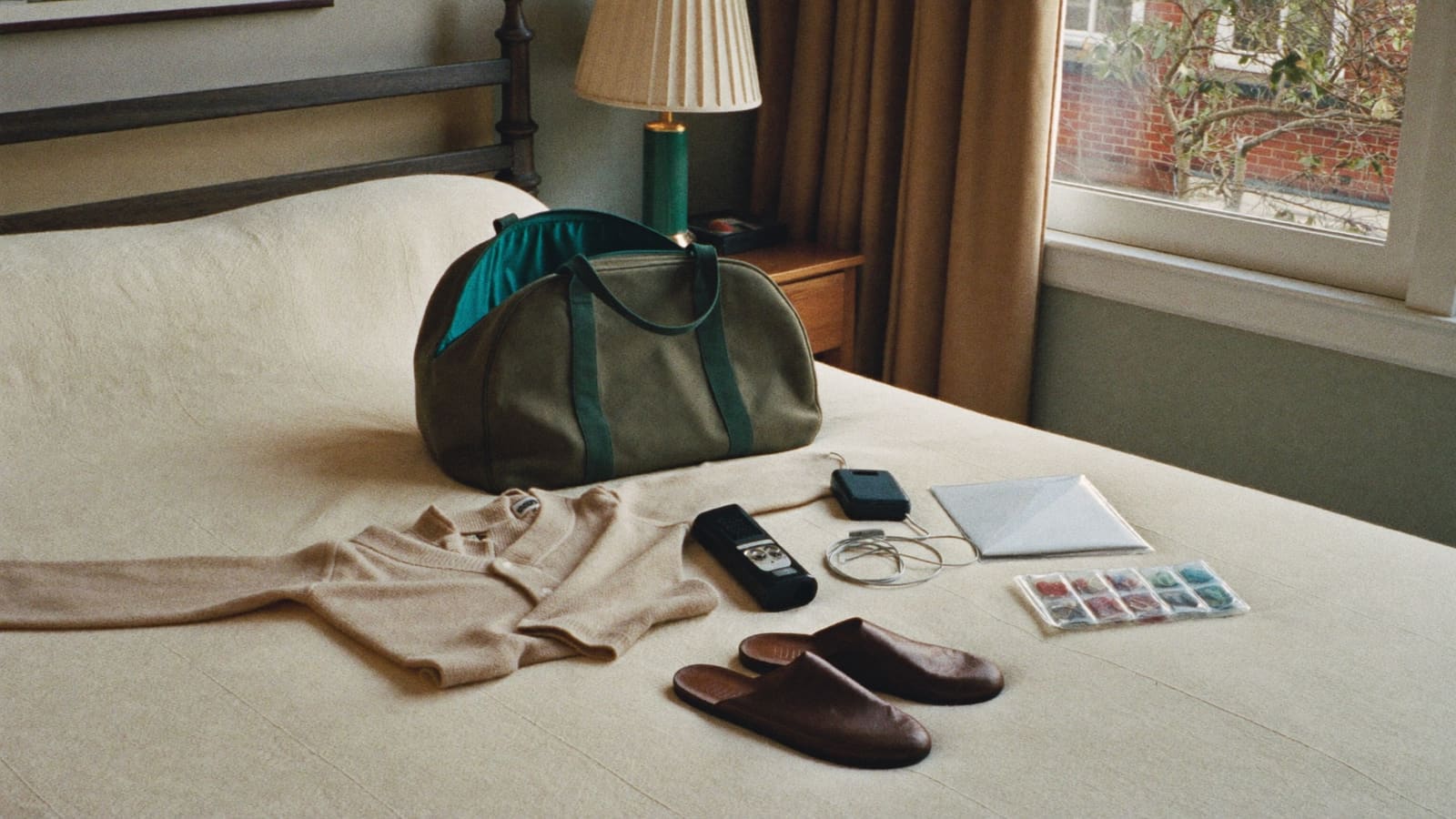
An emergency grab bag checklist
What to pack in a grab bag for an older person, for a fire, flood, power cut or sudden hospital trip, and how to keep it up to date.
15 October 2026
-

Resources
Protecting an older parent from scams
A practical checklist for families to help an older person spot scams, set up simple safeguards and know what to do if money has already been lost.
7 October 2026
-

Resources
Questions to ask about a new medicine
A short list to take to the GP or pharmacy whenever a new medicine is started, so you leave knowing what it is for, how to take it and what to watch for.
5 October 2026