Blog
Small things that keep an older person independent at home
The Aldera team Published 31 August 2026
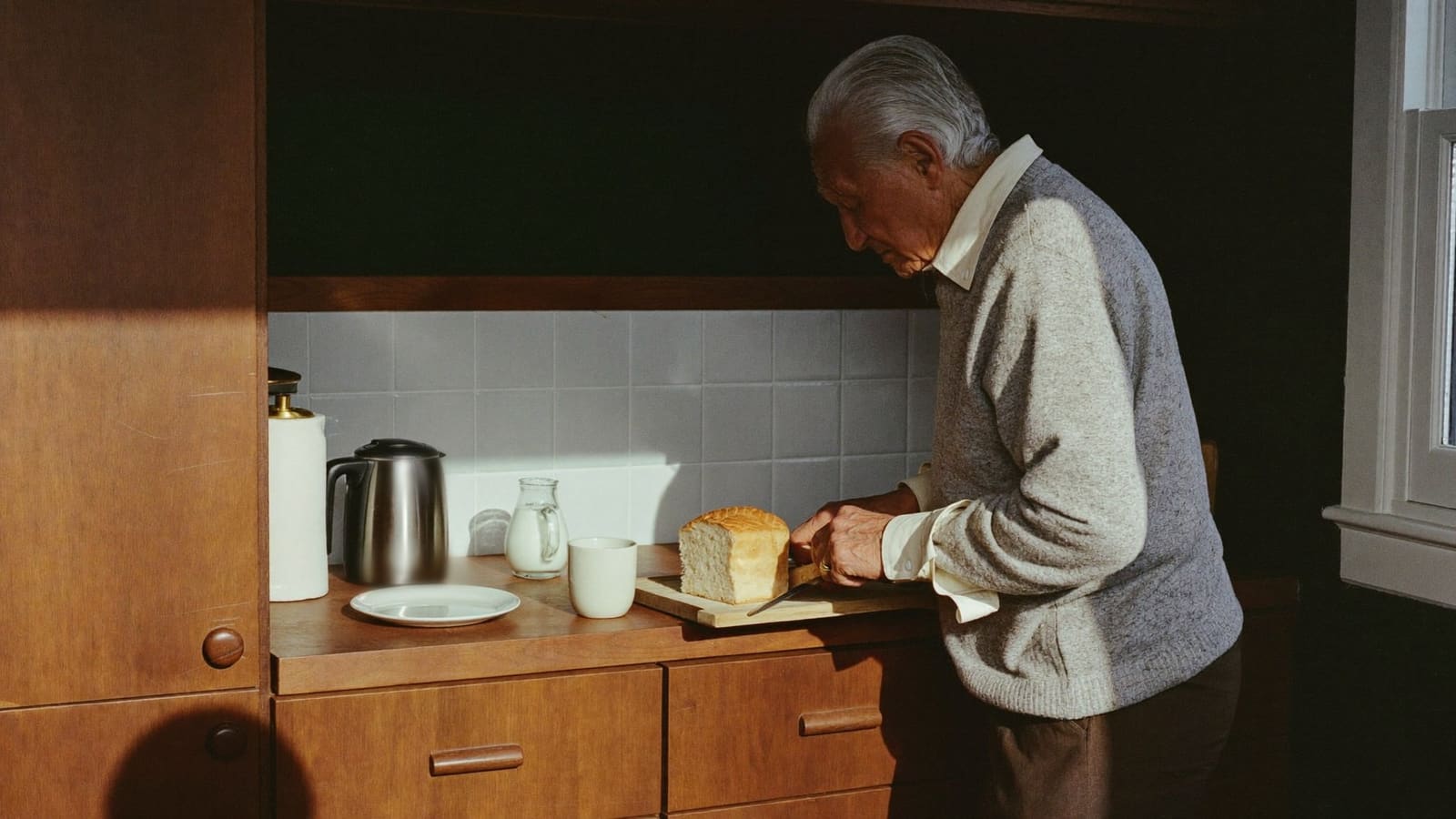
Illustrative. Does not depict Aldera clients or staff.
Independence rarely disappears in one go. It goes in small increments, and most of them are not medical.
A jar that will not open. A shelf that needs a stretch. A light switch at the wrong end of a dark hallway. Each one is trivial on its own, and each one quietly hands a task to somebody else. Do that thirty times over two years and a person who was running their own household is being managed.
The good news is the reverse works too. Small changes hand tasks back.
Twelve that actually matter
1. Move everything used daily to between hip and shoulder height. The kettle, the mugs, the cereal, the medication. No reaching above the head, no crouching at the back of a low cupboard. This one change does more than most.
2. Buy a jar opener and a good tin opener. Grip goes before strength does. Two cheap tools return an entire category of tasks.
3. Light the path, not the room. The bed to the toilet, the back door to the line, the top and bottom of any step. A motion-sensor night light costs very little and prevents the fall that ends the independence conversation entirely.
4. Take up the loose rug. Every single one. There is no rug worth the risk, and this is the change families argue about most.
5. Put a chair where the tiring bit happens. By the front door for shoes, at the bench for chopping, in the bedroom for dressing. Sitting down to do something is still doing it.
6. Choose clothes that can be managed alone. Larger buttons, elastic waists, slip-on shoes, front fastenings. Getting dressed without help is worth a great deal to most people.
7. Get the walking frame or stick properly fitted. A frame at the wrong height is worse than none, and plenty are handed over without being adjusted. An occupational therapist or physiotherapist can sort it in one visit.
8. Simplify the phone, do not remove it. Big buttons, a short list of the numbers that matter, and one that reaches a real person. Taking the phone away because it gets confusing removes the thing that keeps them connected.
9. Set up one place for keys, glasses and wallet. A bowl by the door. Most daily frustration is not memory failure, it is a system failure.
10. Keep one job in the kitchen. Even if someone else cooks, there is nearly always something they can still own. Peeling, stirring, setting the table, making the tea. Being useful in your own kitchen is not a small thing.
11. Protect the outing that has nothing to do with health. The Thursday club, the barber, the mosque or the church, the shop where they know his name. When appointments crowd the calendar, the social outing is the one that quietly gets dropped, and it is the one holding everything else up.
12. Let it take longer. This is the hardest one and it costs nothing. A task done slowly and independently beats the same task done quickly by someone else, nearly every time.
The rule underneath all of them
Change the setup before you take over the task.
When something becomes difficult, the instinct is to do it for them. Usually there is a step in between: make the task easier and leave it with them. Lower the shelf before you take over the cooking. Add a rail before you take over the shower.
Our home safety checklist covers the safety pass room by room, which is a related but different job.
How this changes what help looks like
This is also why we are careful about how visits are described. A carer who arrives and efficiently does everything is not always helping. Someone who knows that this man makes his own toast, and that it matters to him, and who works around that rather than through it, is.
Doing that well needs the same people coming back. A carer meeting someone for the first time cannot know which tasks are load-bearing for that person’s sense of themselves, so they do the sensible thing and take over. That is the real cost of carer churn, and it is why Aldera runs a Care Circle of two to four regular carers who keep coming back.
If you want a look at what a few hours a week could hold together rather than take over, have a chat with us. This is general information, not medical advice. For equipment or mobility, ask your GP for a referral to an occupational therapist.
Part of our Our services guide.
Not sure where you fit?
Call us and a real person will talk it through, no obligation and no script.
Call 1300 998 928Common questions
Is it better to help, or to let them struggle a bit?
Neither extreme works. The useful question is whether the task is unsafe or just slow. Slow is usually worth protecting. Unsafe is worth changing, ideally by changing the setup rather than taking the task away.
My mother refuses every suggestion. What now?
Try changing one thing rather than proposing a plan, and let it be something she chooses. Suggestions that arrive as a list tend to feel like an audit of everything she can no longer do.
Do these replace a home safety check?
No. These are about keeping people doing things for themselves. Safety is a separate pass, and our home safety checklist covers it.
More blog
-
Blog
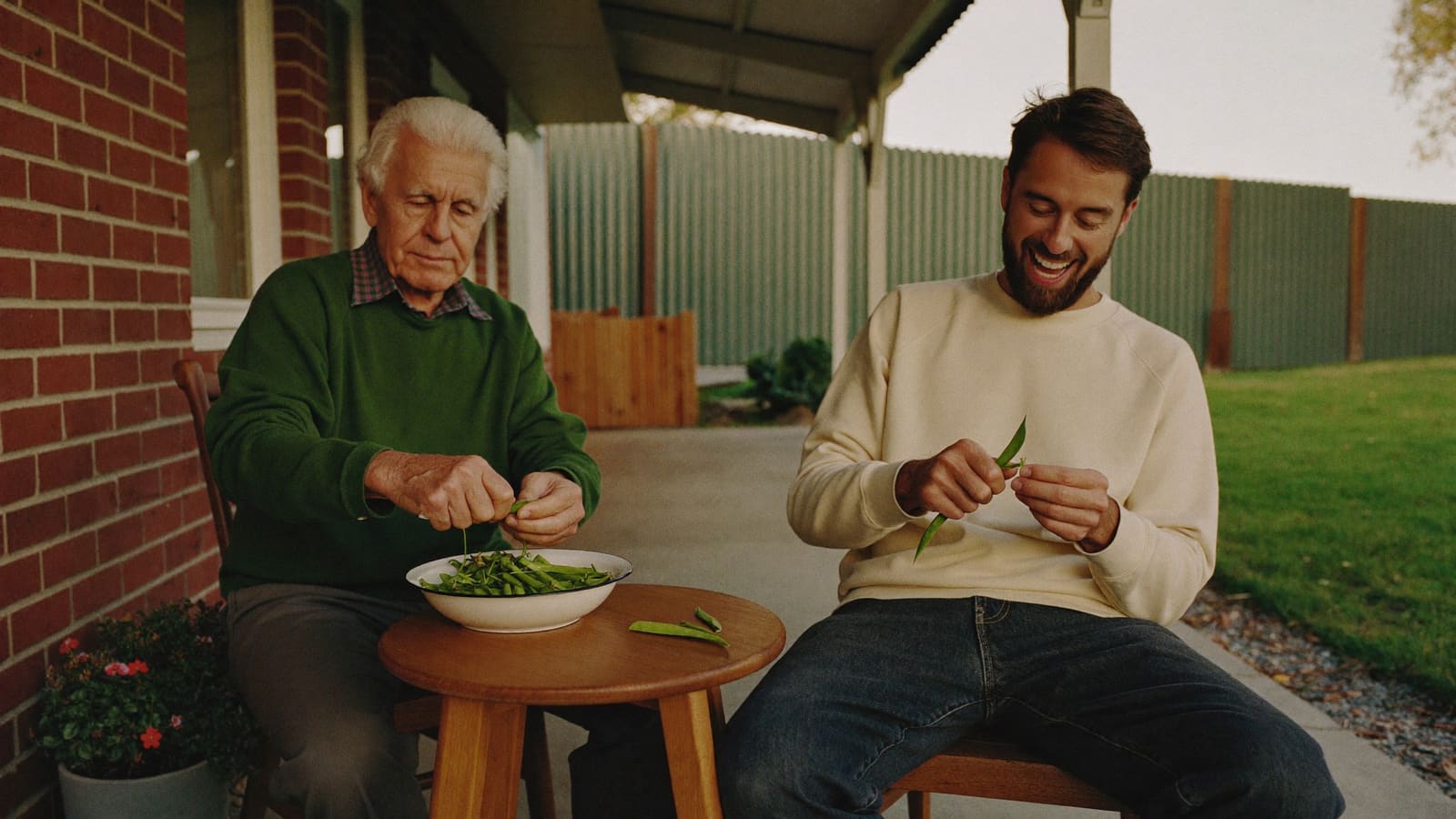
Grandchildren and a grandparent's care
Grandchildren often want to help when a grandparent starts needing care but do not know how. Practical ways for younger family to stay close and useful.
15 October 2026
-
Blog
Staying at home after losing a partner
When a husband or wife dies, the house changes overnight. Some gentle, practical thoughts on grief, routine and getting the right help at home.
7 October 2026
-
Blog
When your husband or wife becomes your carer
Caring for a partner is not like caring for a parent. Staying a couple, accepting help without feeling you have failed, and looking after yourself.
5 October 2026