Guides
What the AT-HM scheme pays for
The Aldera team Published 2 September 2026
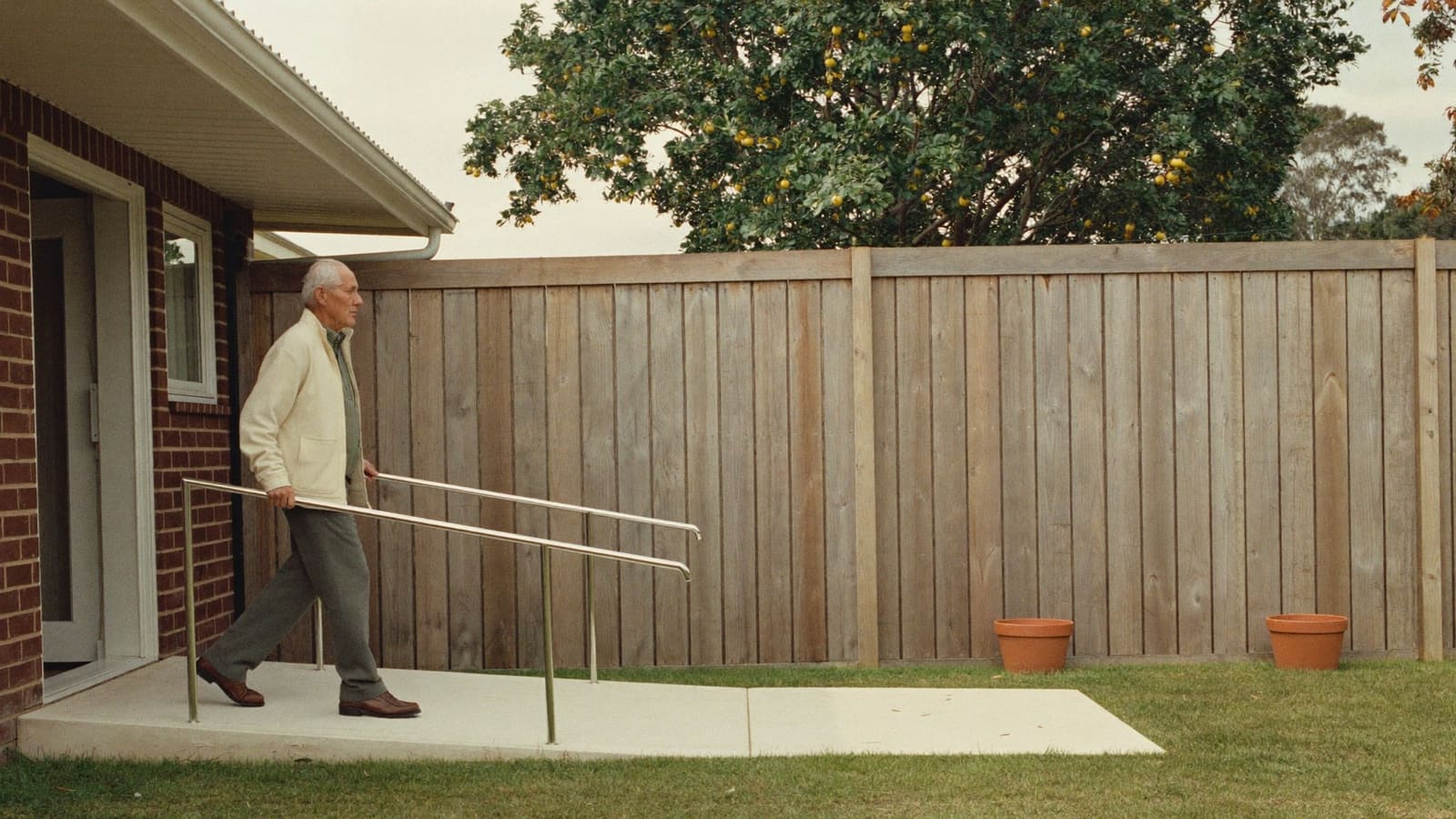
Illustrative. Does not depict Aldera clients or staff.
Most people arranging aged care learn about the services budget first, and reasonably assume everything has to come out of it. Then a physiotherapist suggests a shower chair, and the arithmetic looks awful: an hour of help a week, or a chair.
That is not how it works, and the confusion costs people equipment they are entitled to.
This is general information, not advice. The tiers, limits and rules for this scheme are set nationally and change, so confirm your own position at myagedcare.gov.au or with your provider.
Two different pools of money
Under Support at Home there is the ongoing budget, which pays for people. Personal care, domestic assistance, meals, social support, the visits.
Then there is Assistive Technology and Home Modifications, a separate scheme for things rather than hours. Equipment on one side, changes to the building on the other.
Keeping them separate is deliberate. It means a household does not have to choose between a ramp and a fortnight of showers, and it means a one-off cost does not wreck a quarterly budget that was sized for weekly support.
What sits under assistive technology
Broadly, anything you use rather than anything built in.
- Mobility equipment: walking sticks, frames, wheeled walkers, wheelchairs
- Bathroom and toilet equipment: shower stools, over-toilet frames, bath boards
- Bed and chair equipment: bed rails, mattress supports, chair raisers
- Transfer equipment: slide sheets, transfer belts, hoists where they are needed
- Communication and sensory items, including some hearing and vision aids
- Personal alarms and monitoring, depending on the item and the assessment
Some of this can be hired rather than bought, which matters when a need is temporary, for example after a hospital stay. Our equipment and assistive technology guide goes through the categories in more detail.
What sits under home modifications
Changes to the house itself, which split roughly into minor and major.
Minor is the fast, cheap, high-value end: grab rails, handheld shower rails, lever taps, a second stair rail, external handrails, step edging, better lighting at the back door. These are the ones that prevent the most falls per dollar and they can often be arranged quickly.
Major is structural: a ramp, widening a doorway, converting a bathroom to a level-entry shower, a stairlift. These take longer, need proper quotes and drawings, and almost always need a clinician’s recommendation behind them.
Our home modifications for ageing in place covers the sequencing, and what to do if you rent.
How to actually get to it
Start with the assessment. Equipment and modification needs are identified through the aged care assessment process, so if the need has appeared since your last one, say so rather than waiting to be asked. If your circumstances have changed materially, that may point to a plan review.
Get the clinician involved early. An occupational therapist assessing the actual house is what turns “she needs a rail” into a specification: which wall, which height, which rail, and whether the wall behind it will hold. This is the step people skip, and it is the step that determines whether the thing gets used.
Ask what tier you have been allocated. There are levels to this scheme, and knowing which one applies tells you whether you are talking about a rail or a bathroom.
Get quotes in writing, and ask what is included. For major work, ask specifically whether the quote includes making good, removing the old fittings, and any certification. Those are the items that turn up later as extras.
Ask about timing before you commit. Minor work can be quick. Major work involves an assessment, a quote, an approval and a trade, and each of those has a queue.
Two things worth knowing
Equipment nobody chose does not get used. A frame that is the wrong height, a shower stool that does not fit the recess, a rail on the wrong side. All of it ends up in the garage, and all of it was funded. If the person who will use it is part of choosing it, that mostly stops happening.
A cheap rail beats an expensive plan that is still being approved. While a bathroom conversion works its way through, a rail and a stool make the bathroom safer this week for a small fraction of the cost. Do the fast things now and let the slow things be slow. Our home safety checklist is a fifteen minute walk through the house that will tell you which fast things matter.
For eligibility and the current scheme detail, start at myagedcare.gov.au. If you want to talk through what a house actually needs, ring us and a person will answer.
Part of our How funding works guide.
Not sure where you fit?
Call us and a real person will talk it through, no obligation and no script.
Call 1300 998 928Common questions
What does AT-HM stand for?
Assistive Technology and Home Modifications. It is the part of Support at Home that pays for equipment and for changes to the house, as opposed to the ongoing budget that pays for people to come and help you.
Does equipment come out of my services budget?
Generally no, and this is the point of the scheme. Assistive technology and home modifications are funded separately from the quarterly budget that pays for your visits, so a bathroom rail does not have to be paid for by cancelling your showers. Because the tiers and limits are set nationally and change, confirm your own position with My Aged Care or your provider before you commit to anything.
Do I need an assessment for equipment?
For anything beyond the simplest items, yes. Bigger or riskier items are prescribed by an appropriate clinician, usually an occupational therapist or a physiotherapist, because the wrong equipment is worse than none. Simple low-cost items are usually much quicker to arrange.
More guides
-
Guides
Drinking enough water in later life
Why older people drink less without noticing, the signs of dehydration to watch for, and small habits that make drinking easier at home.
15 October 2026
-
Guides
Recognising elder abuse and where to get help
The forms elder abuse takes, the quiet signs families and workers notice, and who to contact in NSW if you are worried about an older person.
15 October 2026
-
Guides
Talking to a parent about giving up driving
Signs driving is getting harder, how to raise it without a fight, who can give an independent view, and how to keep a parent getting out once the keys go.
15 October 2026