Guides
Home modifications for ageing in place
The Aldera team Published 2 September 2026
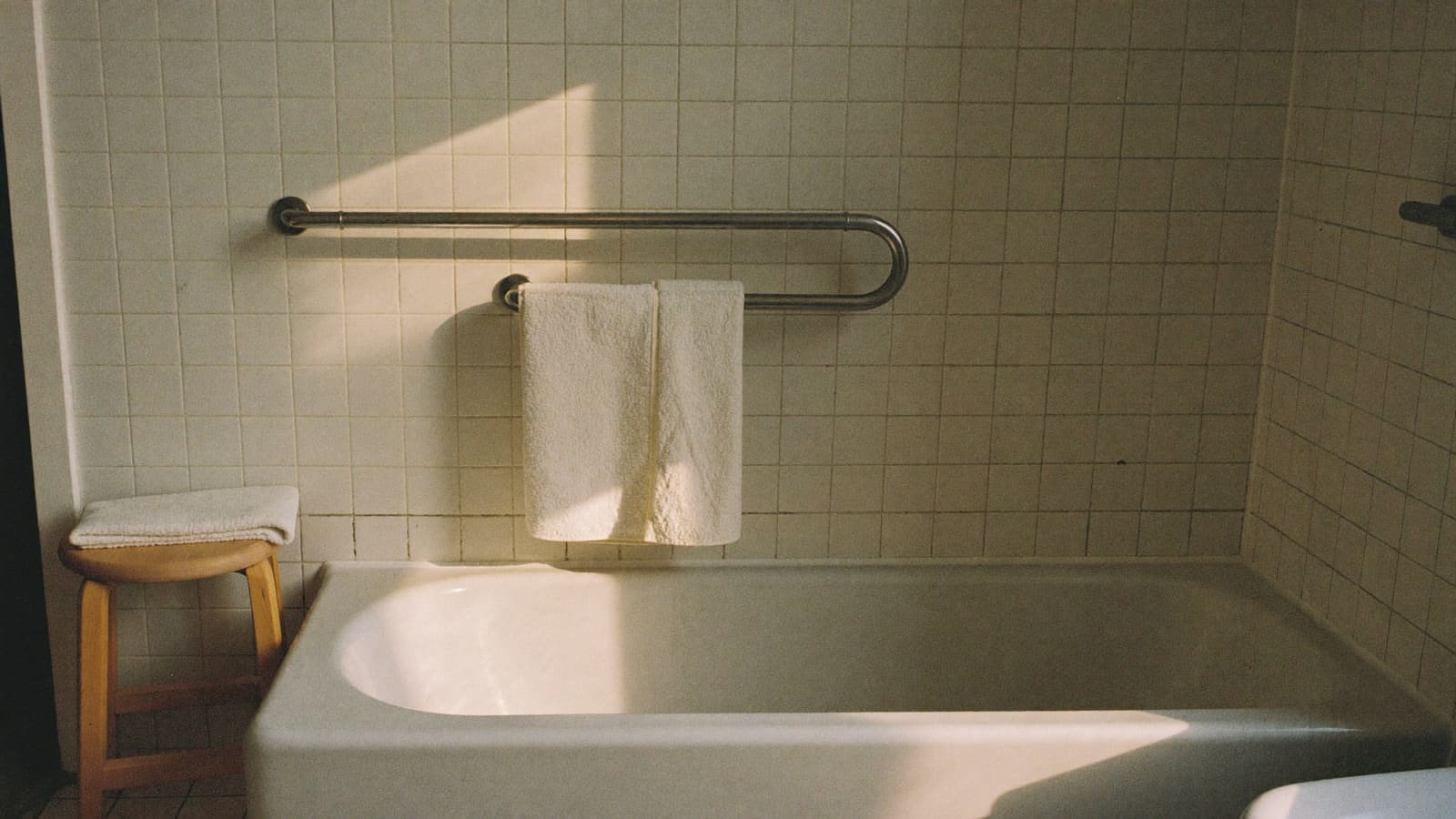
Illustrative. Does not depict Aldera clients or staff.
A house that suited someone at sixty is often working against them at eighty, and it rarely announces the change. The step that was always there becomes the step they hesitate at. The bath they have used for forty years becomes the reason they wash at the basin instead.
Modifications are the cheapest intervention in aged care, and the most underused. This is a plain guide to which ones matter.
This is general information, not advice. Anything about a specific person’s balance, mobility or medical condition belongs with their GP or an occupational therapist.
Start with the bathroom, and start small
If you only do one room, do this one. It is wet, it is hard, it is where people are least dressed and least steady, and it is where a very large share of falls at home happen.
The high-value, low-cost list:
- A grab rail in the shower, and a second beside the toilet
- A handheld shower head on a sliding rail, so washing can happen sitting down
- A shower stool or bench that actually fits the recess
- Lever taps instead of round ones, which matter enormously for arthritic hands
- Non-slip treatment on the floor, rather than a bath mat that slides
- A light that comes on without hunting for a switch
None of that is structural, most of it fits in a morning, and together it changes whether someone will shower at all.
The thing to avoid is the towel rail. People grab them, they are fixed to plasterboard with two small screws, and they come off the wall taking a section of the wall with them. A proper rail is fixed into a stud or a backing plate and will hold an adult’s full weight.
Then the path from the bed to the bathroom
The second most common fall happens at night, going to the toilet, half asleep.
Fix it with light rather than furniture. A plug-in sensor light in the hallway, another in the bathroom, and nothing on the floor along the route. Take up the runner rug, move the charging cable, and clear the corner where the laundry basket lives. That whole job costs less than a takeaway meal.
Our home safety checklist walks the rest of the house on the same principle.
The structural end
Ramps, doorway widening, level-entry showers and stairlifts are a different order of work: proper quotes, a clinician’s recommendation, sometimes council involvement, and a real wait.
Two things worth knowing before you start.
Get the occupational therapist in first, in the actual house. Not a catalogue, not a phone call. Which side the rail goes on depends on which hand is stronger. Whether a ramp works depends on the fall of the land and the width of the landing. An OT watching someone move through their own home produces a specification, and a specification is what stops money being spent on something that then goes unused.
Ask what the quote leaves out. Making good, removing the old fittings, tiling, waterproofing certification, painting. These are the items that reappear as extras once the wall is open.
How it gets paid for
Under Support at Home this sits in a separate pool from the budget that pays for your visits, which means a bathroom does not have to be funded by cancelling your help. The full explanation is in what the AT-HM scheme pays for.
Tiers and limits are set nationally and change, so check your own position at myagedcare.gov.au rather than relying on what a neighbour got.
If the house is rented
This stops fewer people than it should. Ask, in writing, and split the request in two.
Reversible items first: a shower stool, a clamp-on bath rail, plug-in lights, non-slip mats. Many of these need no permission at all because nothing is fixed to the building.
Then ask separately about screwed or structural items, and offer to have the work done properly by a licensed trade and to restore the wall at the end of the tenancy. Framed that way it is a much easier yes. Keep the written permission with your other paperwork, which is what documents worth sorting before you need them is for.
The order to do things in
- Clear the floor and fix the lighting. This week, and it is free
- Bathroom rails, a stool and a handheld shower. This month
- Taps, step edging, external handrails
- Get an OT assessment while the small things are going in
- Structural work last, because it takes longest and you are already safer
The mistake is doing that list backwards, waiting eleven weeks for an approval while the bathroom stays exactly as dangerous as it was. Do the fast things now.
If you want a second opinion on what a particular house needs, ring us and a person will answer.
Part of our How funding works guide.
Not sure where you fit?
Call us and a real person will talk it through, no obligation and no script.
Call 1300 998 928Common questions
What are the most useful home modifications?
Almost always the small ones, and almost always in the bathroom. Grab rails beside the shower and toilet, a handheld shower on a rail, a shower stool, lever taps, and better lighting between the bed and the bathroom. Those cost very little, can be installed in a morning, and address where most falls in the home actually happen.
Do I need an occupational therapist to get a grab rail?
For a single simple rail, often not, though an OT is still worth having because rail placement is not obvious. For anything structural, a ramp, a bathroom conversion, a stairlift, a clinician's assessment is normally required and is genuinely useful, because it is based on how the person moves in that particular house.
Can you modify a rented home?
Yes, with the owner's written permission, which is a normal request and often granted for reversible items. Start with changes that leave no permanent mark, then ask separately about anything structural. Get the permission in writing before any work starts, and keep a copy.
More guides
-
Guides
Drinking enough water in later life
Why older people drink less without noticing, the signs of dehydration to watch for, and small habits that make drinking easier at home.
15 October 2026
-
Guides
Recognising elder abuse and where to get help
The forms elder abuse takes, the quiet signs families and workers notice, and who to contact in NSW if you are worried about an older person.
15 October 2026
-
Guides
Talking to a parent about giving up driving
Signs driving is getting harder, how to raise it without a fight, who can give an independent view, and how to keep a parent getting out once the keys go.
15 October 2026