Blog
What good home care looks like on an ordinary Tuesday
The Aldera team Published 2 September 2026

Illustrative. Does not depict Aldera clients or staff.
Nobody writes about Tuesday.
Care gets described at its extremes. The brochure end, where everyone is laughing in a sunlit kitchen, and the crisis end, where there has been a fall and a hospital and a family meeting. Both are real and neither is what the arrangement mostly is.
Mostly it is Tuesday. And a good Tuesday is almost completely uneventful, which makes it very hard to sell and very easy to undervalue.
So here is what one looks like when it is working.
The morning
Someone arrives at about the time they said. Not to the minute, because traffic exists, but within a window the household knows and has stopped worrying about.
It is a person they know. That is the single largest thing on this list. She lets herself be recognised at the door, and the first ninety seconds are about the weather and the dog rather than an introduction. Nobody has to explain that he takes his tea black, that the good hearing aid is the left one, or that the back step is the one that catches people.
That is the difference consistency makes, and it is entirely invisible until it goes. A household with a rotating roster spends the first fifteen minutes of every visit briefing a stranger, and that is fifteen minutes of an hour they are paying for. We have written about the hidden cost of carer churn if you want that in detail.
The shower happens. It is not a procedure, it is a bathroom with the door shut and someone waiting outside within earshot, and he does the parts he can still do himself, which is more than his daughter thinks and slightly less than he claims.
Breakfast. The radio. She puts a load on because it is Tuesday and that is when the washing happens.
The middle of the day
They walk to the corner shop. He does not need anything from the corner shop.
This is the part that gets cut first when budgets are tight, and it is often the part doing the most work. A person who leaves the house twice a week stays steadier, sleeps better and talks more than a person who does not, and none of that shows up on a task list. Small things that keep an older person independent at home covers more of this ground.
On the way back she notices he is holding the fence at the gate, which he was not doing a month ago. She does not make anything of it in front of him. She writes it down.
That noticing is the actual skill. Not the shower, not the shopping. Someone who has stood in that hallway forty times knows what normal looks like in that house, so the week it changes, they can tell. A person on their first visit has nothing to compare it against, however good they are.
The afternoon
Lunch, then he has a sleep, and she is gone by two.
Before she goes she sends a short note: he ate properly, he walked to the shop, he is steadier on the way out than the way back, and the fence thing. His daughter reads it on her lunch break at work and does not have to ring anyone.
That is the other quiet product of a good Tuesday. A daughter three suburbs away spent no part of her working day wondering. She has not chased anyone, explained anything or apologised to her manager. She got a note, and she got on with her afternoon.
What happens with the fence
Within a few days somebody follows it up, because the note went to a person and not into a system.
At Aldera that is the Care Lead, the one person who holds the whole picture for a household and is the number the family actually rings. The observation goes into the One Story record so it is not lost, and depending on what it turns out to be it becomes a GP appointment, a rail on the back step, or nothing at all.
Sometimes it is nothing. That is fine. The point is that a small change got looked at in the same week it appeared, rather than being explained after a fall in November.
Why the boring days are the measure
Every part of that Tuesday was unremarkable, and that is the argument.
Care is not really judged on how well a provider handles a crisis. It is judged on whether crises keep happening. The fall that does not occur, the infection caught in week one instead of week three, the hospital admission that never gets booked. None of it is visible, all of it is the result of the same few people turning up on ordinary days and paying attention.
So when you are working out whether an arrangement is any good, do not look at the difficult fortnight. Look at a normal week and ask three things. Is it the same faces. Does the household still have to explain itself. Does anyone notice the small stuff before it becomes the big stuff.
If you are still choosing a provider, our questions to ask an in-home care provider turns those three into questions you can put to someone on the phone. Eligibility and assessment information is at myagedcare.gov.au.
Part of our The Aldera way guide.
Not sure where you fit?
Call us and a real person will talk it through, no obligation and no script.
Call 1300 998 928Common questions
How do you know if home care is working?
Look at the ordinary weeks rather than the difficult ones. Care is working when the same few people arrive when they said they would, the household is not repeating basic information about itself, small problems get mentioned early instead of becoming incidents, and the person receiving support is still doing the things they can do rather than having them done for them. Quiet, unremarkable weeks are the product, not the absence of one.
How long does it take for a new care arrangement to settle?
Usually around a month, sometimes two. The first fortnight is mostly logistics and unfamiliarity, and it is normal for it to feel worse than you expected. What should be visibly improving by week four is the amount of explaining the household has to do, because that is the clearest sign the same people are coming back.
What is the most common thing that goes wrong with home care?
Churn. A different worker each visit means the household re-explains itself constantly, nobody notices the slow changes that matter, and the person receiving care never relaxes. Most complaints that look like poor quality are really a rostering problem wearing a different hat.
More blog
-
Blog
Grandchildren and a grandparent's care
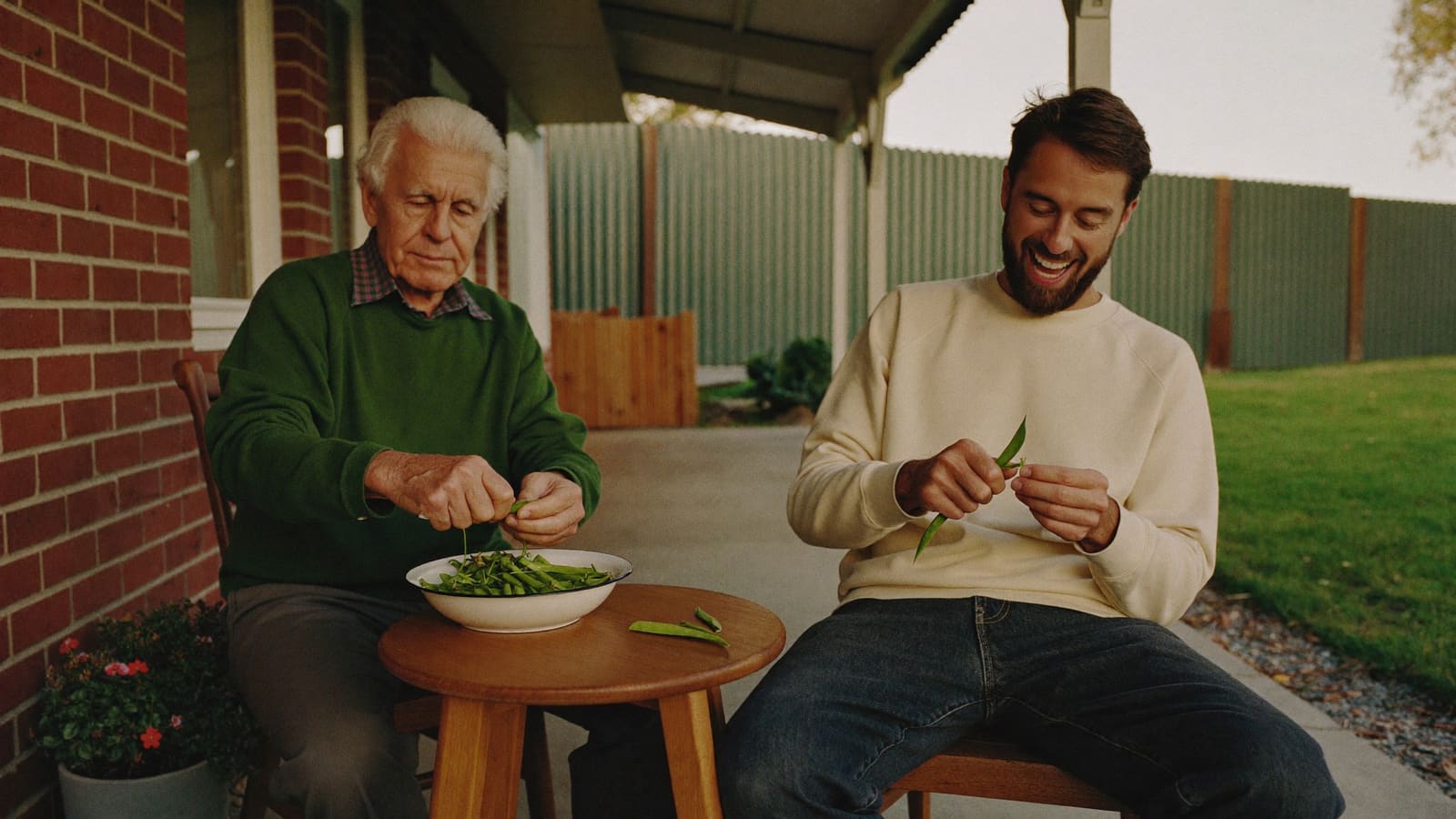
Grandchildren often want to help when a grandparent starts needing care but do not know how. Practical ways for younger family to stay close and useful.
15 October 2026
-
Blog
Staying at home after losing a partner
When a husband or wife dies, the house changes overnight. Some gentle, practical thoughts on grief, routine and getting the right help at home.
7 October 2026
-
Blog
When your husband or wife becomes your carer
Caring for a partner is not like caring for a parent. Staying a couple, accepting help without feeling you have failed, and looking after yourself.
5 October 2026