Blog
Caring for a parent from a long way away
The Aldera team Published 4 September 2026
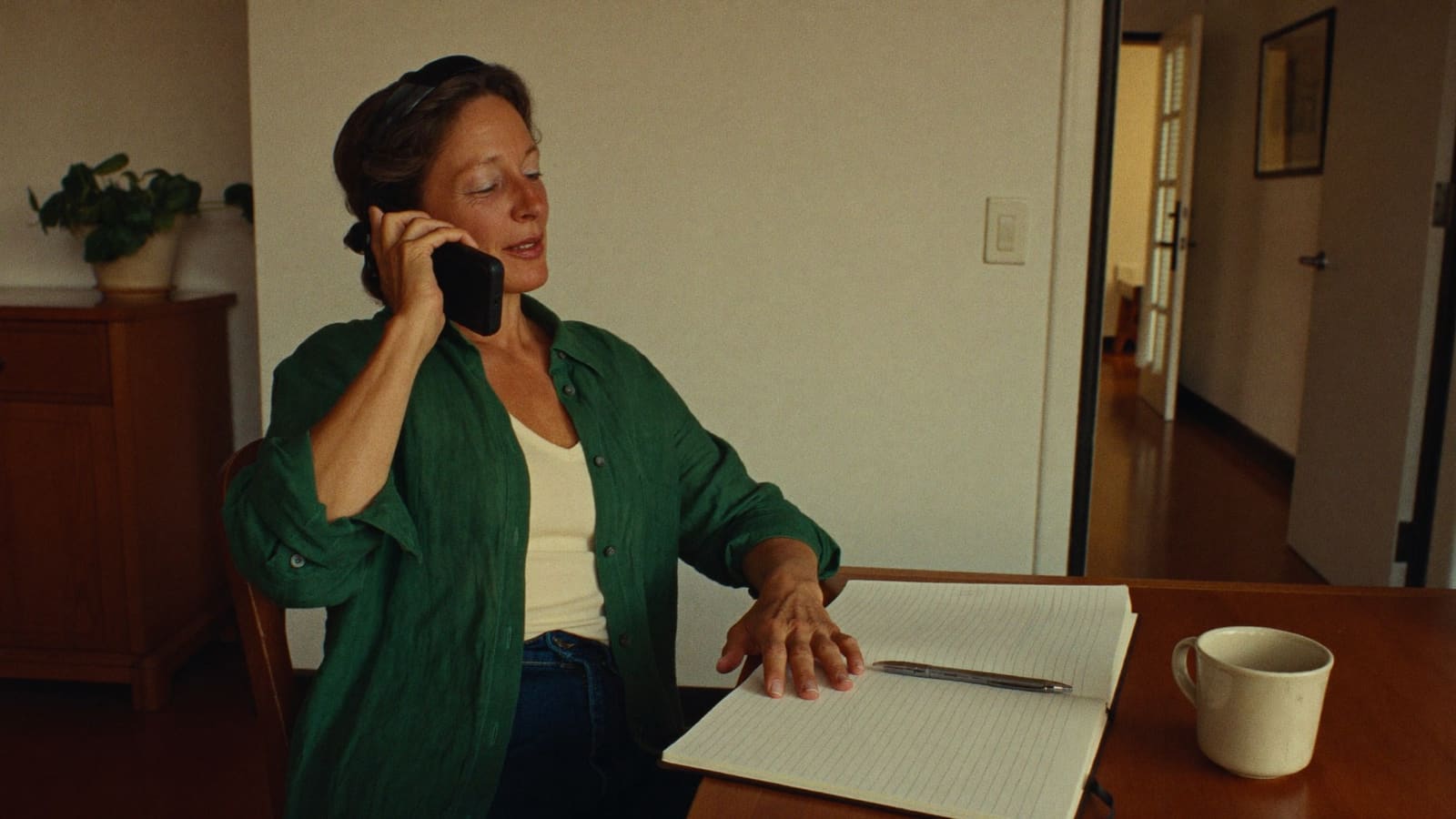
Illustrative. Does not depict Aldera clients or staff.
There is a particular helplessness in living four hours or four states away from a parent who is starting to need help. You cannot drop in on the way home from work. You get your information from a phone call that always ends with “I’m fine, love”, and from a sibling who sounds more tired every time.
Distance is a real constraint. It is not the same as being no use.
The thing to stop doing first
Most distance carers spend their energy in the wrong place: trying to be, for four days at Easter, the person who is present all year.
The visit gets packed with jobs. Every cupboard sorted, every appointment crammed in, the whole house audited. Then everyone is exhausted, your mother feels inspected in her own home, and three days after you fly out nothing has changed except that she is tired and slightly resentful.
The other version of the same mistake is deciding everything remotely and announcing it. Care that is organised over someone’s head does not stick, and the person who has to live with the consequences is the one who was not asked.
What distance is genuinely good for
There is a whole category of work that does not care where you are standing, and it is the work the person who lives nearby has least time for.
The paperwork. My Aged Care registration, assessment forms, the follow-up calls, the reading of an agreement before it is signed. This is a real job and it can be done from anywhere with a phone and an evening.
Being on the calls. Ask to be on the phone or the video call for assessments, plan reviews and any conversation with a provider. Two people hear twice as much, and the person in the room can concentrate on their parent instead of on taking notes.
The buying and the booking. Groceries, prescriptions repeat orders, appointment bookings, transport arranged in advance, bills set up so nobody is chasing them.
Money and the research. Working out how funding actually works, comparing providers, checking a statement each quarter. Our how funding works page is written for exactly this reading.
Ringing. Not to check up. To talk about something other than health, which is what most older people say they miss most.
Find out what is actually happening
The information problem is the hard part of distance, and you will not solve it by asking your father how he is. He will say fine, because he does not want to be a burden and because from where he is sitting it is fine.
You solve it by having people in the house who will tell you.
That means asking a provider two questions before you sign anything. Who is the named person I can ring, and what will you tell me without me having to ask? A provider who cannot name your contact person is telling you how the rest will go. Our list of questions to ask any provider has the rest of them.
At Aldera that person is the Care Lead, and what the workers see goes into One Story, the single record the whole Care Circle works from. It matters more than it sounds when you are far away, because it means the answer to “how has she actually been this month” exists somewhere other than in one worker’s memory.
Consent matters here. An adult gets to decide who hears about their health and their money, and being the daughter does not override that. Ask your parent to nominate you, in writing, with the provider and with My Aged Care. Doing it early avoids a genuinely awful conversation later.
Get the split with your siblings honest
The nearby sibling is doing the visits, the emergencies and the mental load of being the one who gets rung at eleven at night. The far sibling is doing the admin and often carrying the guilt.
Both of those are real, and they are not equivalent. The resentment that builds between siblings almost always comes from the split never being said out loud, so both of them privately believe they are doing more. Write down who does what, including the invisible parts, and revisit it every few months. Our piece on how families share the load sets out a way through that, and there is more for the person doing the day-to-day in our guide on support for the family carer.
One more thing worth saying plainly. If you are far away and you have more money than time, paying for a service is not a lesser contribution than driving over on Sunday. It is often the thing that keeps the nearby sibling standing.
Spend the trips well
Save your leave for what a visit uniquely does. Be there for the assessment, the plan review, the discharge conversation, the first meeting with a new provider. Those are the moments where being in the room changes the outcome.
And keep one trip a year that is not about care at all. Lunch, the garden, the photos, nothing on the list. That visit is the one your mother will talk about afterwards, and it is doing more good than the cupboard sorting ever did.
Part of our The Aldera way guide.
Not sure where you fit?
Call us and a real person will talk it through, no obligation and no script.
Call 1300 998 928Common questions
How can you help an ageing parent when you live in another state?
Take the jobs that distance does not affect. Paperwork, appointment bookings, phone calls, ordering, bills, research and being the second person on a call with a provider can all be done from anywhere. Leave the things that need a body in the room to the people who are near, and pay for or arrange the rest rather than trying to do it yourself on visits.
How do you know how a parent is really doing from far away?
Not from asking, because the answer is always fine. You find out from the people who are actually in the house. A regular short update from the provider, and a named contact you can ring, tells you more than a weekly phone call ever will.
Is it worth flying up for every crisis?
Not usually, and burning your leave on emergencies leaves nothing for the visits that matter. Save the trips for things a visit uniquely solves: an assessment, a plan review, a hospital discharge, a hard conversation. Everything else is better handled by a phone call to someone who is there.
More blog
-

Blog
Grandchildren and a grandparent's care
Grandchildren often want to help when a grandparent starts needing care but do not know how. Practical ways for younger family to stay close and useful.
15 October 2026
-

Blog
Staying at home after losing a partner
When a husband or wife dies, the house changes overnight. Some gentle, practical thoughts on grief, routine and getting the right help at home.
7 October 2026
-

Blog
When your husband or wife becomes your carer
Caring for a partner is not like caring for a parent. Staying a couple, accepting help without feeling you have failed, and looking after yourself.
5 October 2026