Blog
Food, faith and family in aged care
The Aldera team Published 29 August 2026
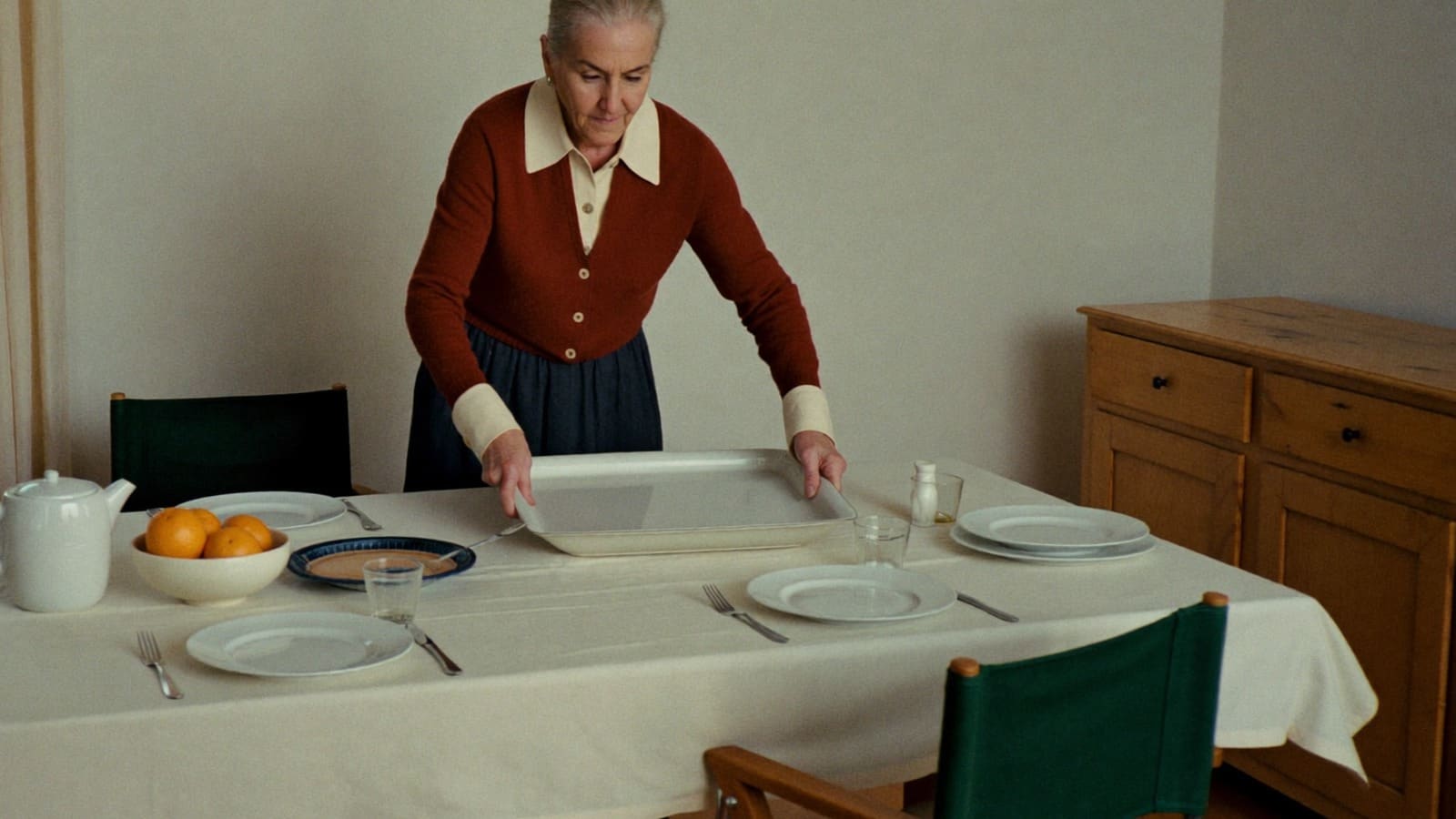
Illustrative. Does not depict Aldera clients or staff.
“Culturally appropriate care” is one of those phrases that means everything and nothing. In practice, in an actual house on an actual Tuesday, culture in home care comes down to three things.
What is on the plate. What the day is built around. And who the family expects to be doing the caring.
Get those three right and most of the rest follows. Get them wrong and no amount of good intentions makes up for it. This is a companion to our piece on culturally matched care in practice, which covers the broader picture. This one is about the specifics.
Food
Food is where cultural care is won or lost, because it happens every single day and everybody notices.
The dietary rules are the easy part. Halal, kosher, vegetarian for religious reasons, no pork, no alcohol in cooking. Any competent provider can record and follow a rule. Say it once, make sure it is written down, and check that it survives to the person actually doing the shopping.
The harder part is that food is not just fuel. A person who has eaten the same breakfast for seventy years does not want a nutritionally equivalent substitute. They want that breakfast. When someone stops eating properly in their own home, it is very often not appetite. It is that the food stopped tasting like their food.
The practical fix is unglamorous. Show the worker once. Or have a daughter write down the four dishes that matter, in order of steps, with the actual ingredients and where they are bought. Most support workers are perfectly willing to cook something they have never made. They just cannot invent it.
Watch out for the shopping. A worker sent to the supermarket with a generic list will come back with generic food. Naming the shop matters as much as naming the item.
And the meal is often social. In a lot of households the point of lunch is that people sit down together. A support worker who serves the food and then stands in the kitchen has technically completed the task and missed it entirely.
Faith
Faith shapes the shape of the day, and the calendar shapes the year.
Prayer times structure the day. A visit booked across a prayer time will be quietly resented and rarely mentioned. It is easily avoided if someone asks.
Fasting changes everything for a month. Ramadan is the obvious one, and so is Lent, and so are fast days in other traditions. Meal times move, energy is different, medication timing may need a conversation with a GP. A provider who does not know it is happening will keep arriving at the wrong hour with the wrong plan.
Modesty and gender are not preferences to be talked out of. For many families, personal care from someone of the same gender is not negotiable. That belongs in the arrangement from day one, along with a clear answer on who covers leave. Our guide to personal care covers how to raise it.
Getting to the mosque, church, temple or synagogue is care. Social support and transport exist for exactly this. Being at Friday prayers or Sunday mass is often the last regular connection to a community, and losing it is a bigger deal than losing an outing.
Not everyone is observant, and nobody should be assumed into a box. A Lebanese surname is not a religion, and it is not a diet. Ask.
Family
This is the one providers most often get wrong, because it is invisible on a form.
In many families, care is a duty, not a service. Bringing in outside help can feel like a failure of that duty, and the discomfort is real. The person who most needs convincing is often not the older person at all. It is the daughter or the son who believes they should be managing it alone.
Two things help. First, framing the support as something that lets family be family again, rather than something that replaces them. Nobody wants their last years with a parent spent entirely on showering and laundry. Second, respecting that the family often makes decisions collectively, on their own timeline. A provider who pushes for a same-week answer will get a no.
Language matters here too. If the person you care for thinks in Arabic or Cantonese or Greek, a conversation about their own body in English is a conversation happening at a distance. See languages and cultural care for how we handle that.
What we actually do about it
None of this works on goodwill alone, because goodwill leaves the house when the shift changes.
It works when the details are written down and travel with the arrangement. At Aldera that record is One Story: the dishes, the shop, the prayer times, the gender preference, the language, the family members who should be in the loop. And because a small Care Circle means a handful of people rather than an open roster, those details get learned properly instead of skimmed off a form.
The honest limit is worth stating. We will not always have a worker who shares your background and your language. When we do not, we say so rather than pretending. What we will not do is ask you to explain yourself from scratch every week.
If any of this is relevant to your family, say it in the first conversation rather than the sixth month. Get in touch and a real person will answer.
Part of our Languages and cultural care guide.
Not sure where you fit?
Call us and a real person will talk it through, no obligation and no script.
Call 1300 998 928Common questions
Can a support worker cook the food my family actually eats?
Yes, if you tell them how. Most workers will happily follow your method and your ingredients, but they cannot guess a dish they have never eaten. The practical fix is showing them once, or having a family member write the steps down, then it becomes routine.
What if I need a carer of the same gender for religious reasons?
Say so at the first conversation, before anything is arranged. It is a common request and a reasonable one, and it is far easier to build into a roster from the start than to correct later. Ask specifically what happens when your regular worker is on leave.
Do I have to explain my culture to a new carer every time?
You should not have to. That is exactly what a written record is for. At Aldera your preferences live in One Story so anyone covering a visit already knows them, rather than starting the conversation again.
More blog
-
Blog
Grandchildren and a grandparent's care
Grandchildren often want to help when a grandparent starts needing care but do not know how. Practical ways for younger family to stay close and useful.
15 October 2026
-
Blog
Staying at home after losing a partner
When a husband or wife dies, the house changes overnight. Some gentle, practical thoughts on grief, routine and getting the right help at home.
7 October 2026
-
Blog
When your husband or wife becomes your carer
Caring for a partner is not like caring for a parent. Staying a couple, accepting help without feeling you have failed, and looking after yourself.
5 October 2026