Guides
Personal care at home, done with dignity
The Aldera team Published 28 August 2026
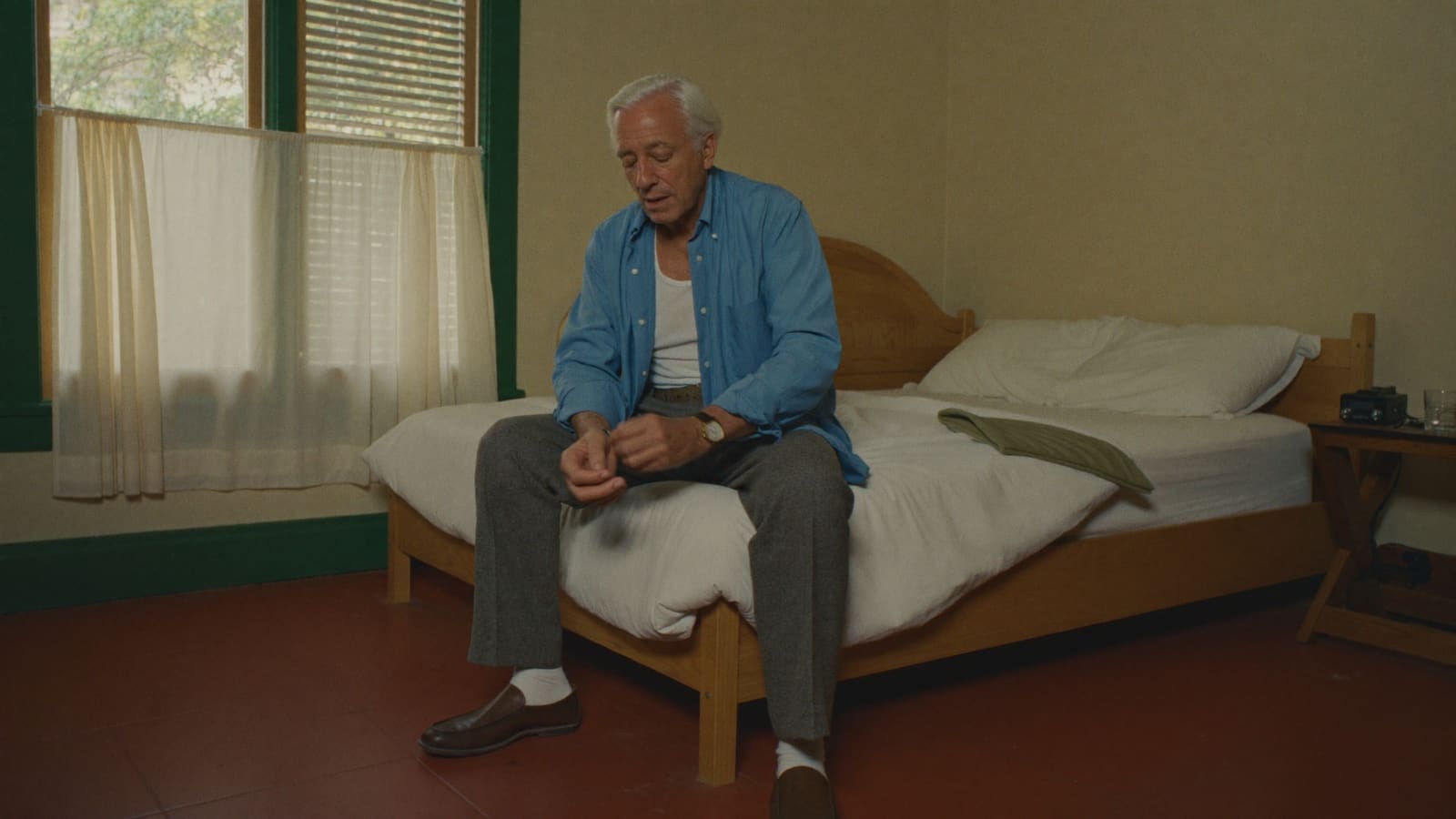
Illustrative. Does not depict Aldera clients or staff.
Personal care is the part of home care people find hardest to ask for. Cleaning the kitchen is easy to accept. Having someone in the bathroom while you shower is not.
This guide covers what personal care actually involves, what you get to decide, and how to tell rushed support from good support. It is general information, not health advice.
What personal care covers
Personal care is help with your body and your daily routine. In practice it usually means some combination of:
- Showering or bathing, and drying safely afterwards
- Dressing and undressing, including compression stockings and shoes
- Grooming, shaving, hair care and skin care
- Oral care and denture care
- Continence support, including help managing aids and products
- Help getting in and out of bed, a chair or the car, and moving safely around the house
- Prompting and support with medication that has already been prescribed
It does not include wound care, injections, catheter care or anything else that needs a nurse. That is clinical care, and it comes from a registered nurse or an allied health professional. Our services page sets out where the line sits.
Dignity is not a word, it is a set of decisions
Every provider says the word dignity. What it means on a Tuesday morning is a series of small decisions, and you should be the one making them.
When. If you have showered at seven in the morning for sixty years, the visit should be at seven, not at eleven because that is what suited the roster.
Who. You choose whether a man or a woman helps you with personal care, and you should not have to explain why. For a lot of families this is not negotiable, and it should not be treated as a special request.
How. Which soap. Which towel. Whether the door is closed. Whether the radio is on. Whether you sit on a shower stool or stand and hold a rail. Whether you wash your own face while someone stands nearby.
How much. Good personal care does the part you cannot do and stops there. If you can dry your own arms, you dry your own arms. Support that takes the whole task away, because it is quicker, takes something else with it.
Write these down before the first visit. They belong in your care plan in your own words, not summarised into a sentence a stranger wrote.
Why the same face matters more here than anywhere else
You can tolerate a new person mopping your floor. Being undressed in front of a new person every week is different.
This is the whole reason Aldera is built around a small Care Circle rather than a roster. A Care Circle is a handful of workers who know you, and one Care Lead who is accountable for how it runs. Your preferences live in One Story, the single record everyone in your circle works from, so the person covering a shift already knows you shower before breakfast and prefer the door pushed to, not shut.
That does not mean you will never see a new face. People take leave and get sick. It means a new face is rare, is introduced rather than sent, and arrives already knowing how you do things. If you want to test a provider on this, our list of questions to ask a provider has the ones that matter.
What a good visit actually looks like
A worker who knocks and waits rather than letting themselves in unannounced. Who greets you before they start moving through the house. Who says what they are about to do before they do it, every time, even on the hundredth visit. Who closes the bathroom door and keeps you covered while you move. Who asks rather than assumes when something has changed.
And who does not narrate your body back to you. There is a way of talking to older people that turns a shower into a procedure. It is the fastest way to make someone feel like a patient in their own bathroom.
Getting personal care funded
Personal care is one of the standard service types under Support at Home, so if it is in your assessed needs it can be paid for from your budget. Everyday supports may carry a personal contribution based on your means assessment, while clinical care does not.
We will not quote you a rate here, because contribution rates are means-tested and they change. Your actual numbers come from My Aged Care, not from a website. Start at myagedcare.gov.au or call them on 1800 200 422, and read our guide on getting an assessment first so you know what to expect.
If you are already assessed and waiting for a place, personal care is often the support people most want to start with. Our guide on what to do while you wait covers the options in the meantime.
Three things worth saying out loud at the start
- “This is how I do it.” Not a complaint. A brief, so nobody has to guess.
- “I can still do this part.” Say it early and say it again when it changes, in either direction.
- “That did not sit right.” Tell your Care Lead the same week, not in six months on a survey. Small things fixed early are why the arrangement lasts.
If something goes wrong and it is not resolved, you can raise it with the Aged Care Quality and Safety Commission at agedcarequality.gov.au. You do not need your provider’s permission to do that.
If you would rather just talk it through with a person, get in touch. A real person answers.
Part of our Our services guide.
Not sure where you fit?
Call us and a real person will talk it through, no obligation and no script.
Call 1300 998 928Common questions
What is personal care in home care?
Personal care is help with the body and the daily routine. It covers showering or bathing, dressing, grooming, shaving, hair and skin care, continence support, help getting in and out of bed or a chair, and prompting with medication. It is delivered in your own home by a support worker, not a nurse, unless your plan includes clinical care.
Can I choose whether a man or a woman helps me shower?
Yes, and you should say so up front. Preference of gender is one of the first things a good provider asks about, along with the time of day you like to shower and how you like things done. Ask how the provider handles it when your usual worker is away.
Do I have to accept help with everything at once?
No. Most people start with one part of the routine, often the shower, and keep doing the rest themselves. Personal care should support what you can still do, not take it over.
More guides
-
Guides
Drinking enough water in later life
Why older people drink less without noticing, the signs of dehydration to watch for, and small habits that make drinking easier at home.
15 October 2026
-
Guides
Recognising elder abuse and where to get help
The forms elder abuse takes, the quiet signs families and workers notice, and who to contact in NSW if you are worried about an older person.
15 October 2026
-

Guides
Talking to a parent about giving up driving
Signs driving is getting harder, how to raise it without a fight, who can give an independent view, and how to keep a parent getting out once the keys go.
15 October 2026