Blog
When a parent goes back to their first language
The Aldera team Published 7 September 2026
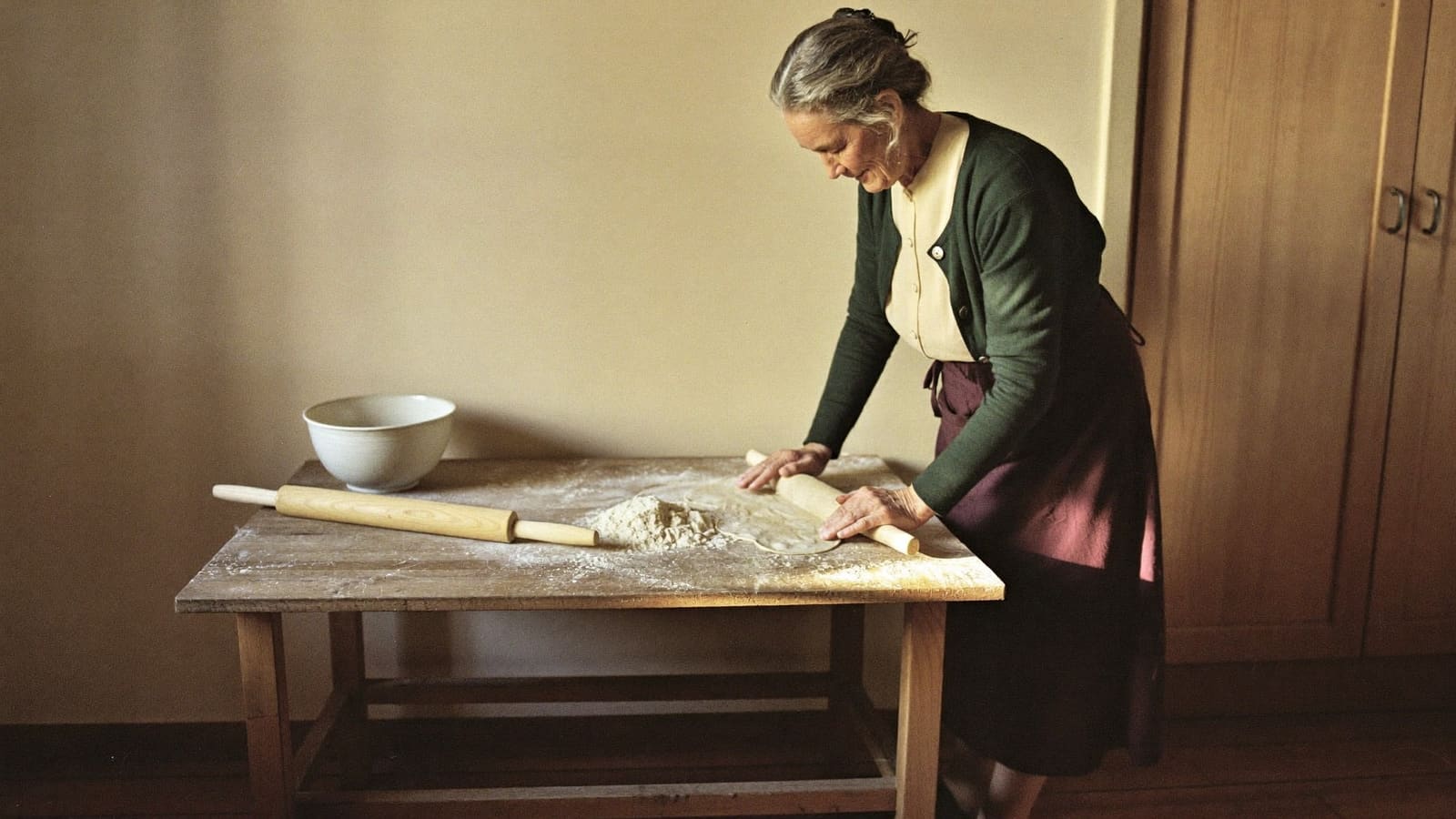
Illustrative. Does not depict Aldera clients or staff.
It usually starts small. A word swapped mid-sentence. Then a whole answer in a language the grandchildren do not speak. Then a morning where English does not come at all.
Families describe this as their parent going backwards, or as something they are doing on purpose. It is neither. A first language runs deeper than one learned later, and when memory changes, the later layer tends to thin first. Fifty years of fluent English can go while the language of a childhood kitchen stays perfectly intact.
This is general information, not medical advice. If language is changing, that is worth raising with a GP, and a memory assessment is often the right next step.
What it actually feels like from the inside
Probably a lot less alarming than it looks from the outside.
The person is not losing the ability to communicate. They are communicating in the language that feels like home, to people who they expect will understand. What is distressing is not being spoken to in a language they can no longer follow easily, and watching the people around them get frustrated about it.
That is the part families can change.
What helps
Follow, do not correct. If the answer comes back in Italian, the conversation is in Italian now. Repeating the question louder in English will not retrieve the word, and it will end the exchange. Meeting someone in whichever language reached them that day costs nothing.
Learn twenty words. Not the language, twenty words. Good morning, tea, cold, sore, sit, food, love, the names of family members. Written on a card on the fridge for everyone who comes through the house, including the support worker. It is astonishing how far twenty words go.
Let the old routines carry the meaning. Cooking a dish from memory, a prayer said the same way for sixty years, a song from before the migration. These sit deeper than conversation and they are often intact long after the words for them have gone. Building the day around them is the same principle as routines that work with dementia.
Ask for a worker who shares the language. This stops being a preference and becomes a practical necessity at this point, because a support worker who cannot understand “I am cold” or “that hurts” cannot do the job properly. It is a fair thing to ask for, and how to ask for it is more straightforward than most families expect.
Use the free interpreter for anything that matters. Assessments, care plan reviews, GP appointments and any conversation involving consent or money. The Australian Government funds interpreting for aged care, it costs the family nothing, and it exists precisely for this.
The grief underneath it
Something worth saying plainly, because families rarely say it to each other.
If you do not speak your parent’s first language, this change can feel like being locked out of your own mother. That is a real loss and it is allowed to hurt, even while you are getting on with the practical side. Adult children of migrants often carry a particular version of it, because the language was set aside on purpose so that the family could get on in English, and now the cost of that decision has arrived forty years late.
It does not mean the relationship is over. Tone, touch, presence, food and habit carry an enormous amount, and they carry it in every language. Sitting together while something familiar cooks is a conversation. It just is not a verbal one.
What we do about it
At Aldera, the language someone actually uses, and the one they fall back on when they are tired or unwell, is part of the One Story we hold about them. It sits with the household, not with a single booking, so the whole Care Circle knows without the family explaining it again to every new face.
That matters more here than almost anywhere, because a person in this situation cannot bridge the gap themselves. The people around them have to. You can read how we approach it on languages and cultural care.
If you want to talk it through with someone, My Aged Care can point you to dementia-specific support and carer support in your area.
Part of our Languages and cultural care guide.
Not sure where you fit?
Call us and a real person will talk it through, no obligation and no script.
Call 1300 998 928Common questions
Why does someone with dementia lose their second language first?
A language learned later in life is generally held less deeply than the one learned in childhood, so it tends to be affected earlier as memory and language change. Someone can lose fluent English of fifty years and keep the language they spoke as a child. It is a recognised pattern rather than something unusual.
Should you keep speaking English to them to help them practise?
Correcting or drilling usually adds frustration without adding words. Most families find it works better to meet the person in whichever language is reaching them that day. This is general information rather than clinical advice, so raise it with a GP or a speech pathologist for your own situation.
What if nobody in the family speaks the first language well?
You are not the first family in that position. Grandchildren often have a handful of words, and a handful is enough for greetings, food and comfort. A support worker who speaks the language, a free interpreter for the important conversations, and music or prayer in the first language all carry meaning that vocabulary lists do not.
More blog
-
Blog
Grandchildren and a grandparent's care
Grandchildren often want to help when a grandparent starts needing care but do not know how. Practical ways for younger family to stay close and useful.
15 October 2026
-
Blog
Staying at home after losing a partner
When a husband or wife dies, the house changes overnight. Some gentle, practical thoughts on grief, routine and getting the right help at home.
7 October 2026
-
Blog
When your husband or wife becomes your carer
Caring for a partner is not like caring for a parent. Staying a couple, accepting help without feeling you have failed, and looking after yourself.
5 October 2026