Guides
Breathing problems and help at home
The Aldera team Published 17 September 2026
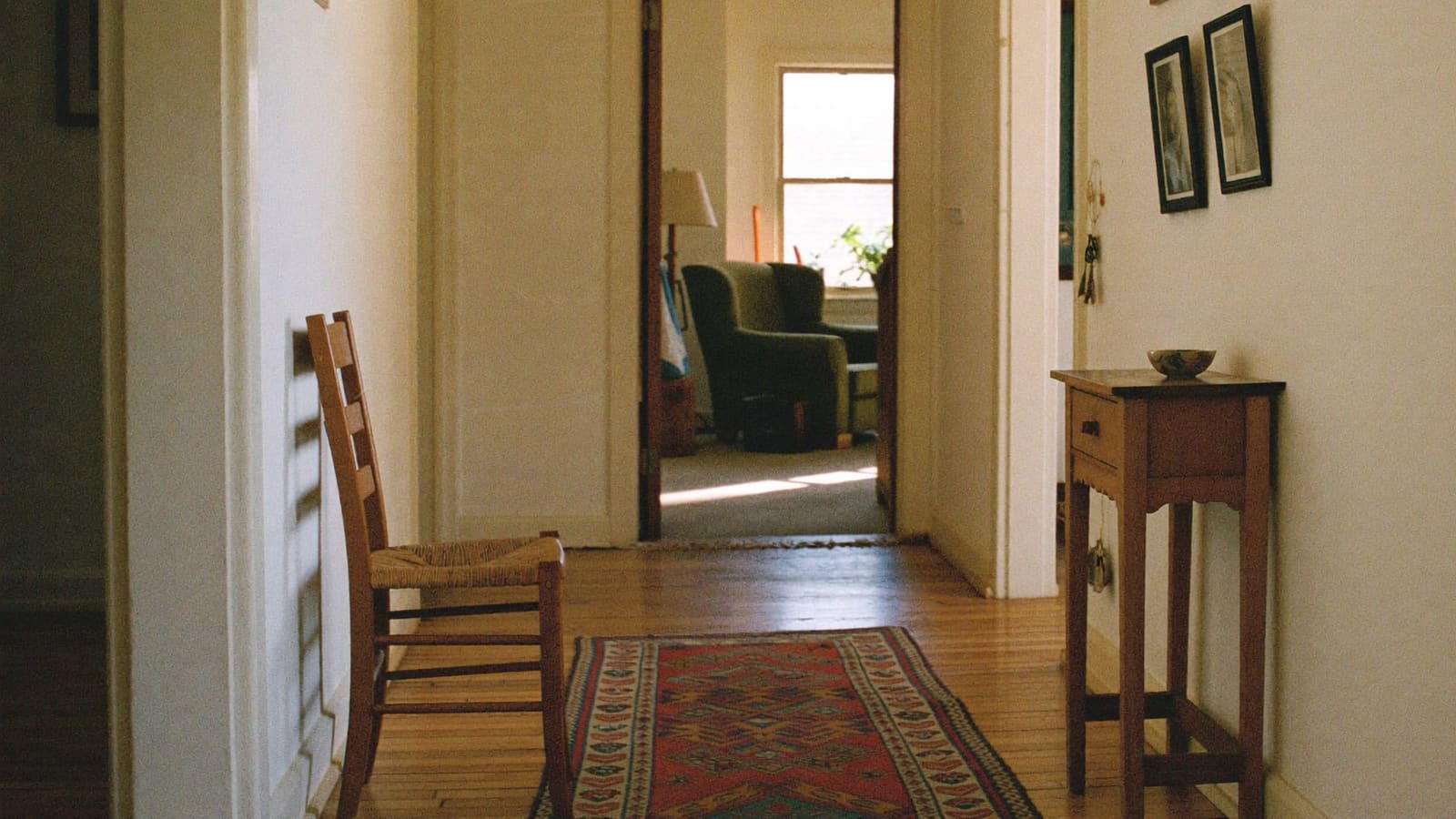
Illustrative. Does not depict Aldera clients or staff.
Breathlessness does not usually announce itself. It arrives as a series of small edits. The washing gets hung in two trips instead of one, then the sheets stop being changed weekly, then the visit to a friend across the suburb becomes a phone call.
By the time anyone names it, a good deal of life has already been quietly given up.
This guide is general information, not clinical advice. Any change in breathing belongs with your GP, and anything sudden belongs with an ambulance.
The cycle that does the damage
Breathlessness is uncomfortable, so people do less. Doing less makes muscles weaker. Weaker muscles need more oxygen for the same task, so the same task now causes more breathlessness.
That loop is the thing most worth interrupting, and it is the reason the advice below is about doing things differently rather than doing less of them. Rest is not the treatment. Pacing is.
Pacing, which is not the same as slowing down
Pacing means breaking a task into pieces with planned stops, before you need them. It sounds trivial and it changes what a person can get through in a day.
In practice:
- Sit down for anything that can be done sitting. Showering, dressing, chopping vegetables, ironing. Standing is work.
- Put a chair where you run out. Halfway down the hall, at the top of the drive, beside the clothesline. A resting point placed in advance turns a trip you avoid into a trip you make.
- Split the task, not the day. Half the bed now and half after a cup of tea beats abandoning it.
- Breathe out on the effort. Out as you stand, lift or push, rather than holding your breath. Holding is instinctive and it makes everything harder.
- Push things instead of carrying them. A trolley, a wheeled basket, a bag on a chair with wheels.
- Do the hard things at your best hour. For most people that is mid-morning. Working out when yours is takes a week of paying attention and pays back permanently.
Let the house take some of it
Several ordinary changes reduce how much work a day requires.
Move what is used daily to between hip and shoulder height, so nothing routine needs a bend or a reach. Get a shower stool and a long-handled sponge. Keep a set of the things you use most in each end of the house, so a forgotten item does not cost a return trip. Warm still air is harder than moving air, so a fan is worth more than it looks.
An occupational therapist does exactly this work and does it better than a guess, because they watch the actual tasks in the actual rooms. What an occupational therapist does covers how to get one and what to expect.
Exercise is the counter-intuitive part
The instinct is to protect the lungs by resting them. The evidence runs the other way: supervised exercise improves breathlessness, because stronger legs demand less oxygen.
It has to be set by someone qualified, and the dose is what people get wrong. A physiotherapist or exercise physiologist can build something that starts at the right level and actually gets harder over time. Physiotherapy at home for older people and the wider allied health at home cluster explain how those visits are arranged.
Where support at home fits
The honest division is simple. The tasks that cause the most breathlessness for the least reward are the domestic ones, and those are the ones to hand over first.
Bed changing, vacuuming, hanging washing, carrying shopping in from the car. Handing those over is not the beginning of decline. It is what frees the capacity for the things a person actually wants to spend their breath on.
Showering is the other one worth naming, because it combines heat, steam, standing and arms above the head, which is close to a worst case. Help there, from someone the same each week, changes the day. That is what personal care is for.
When to ring, and when to ring an ambulance
Ring the GP within a day or two for breathlessness that is worse than usual over a week, a cough that has changed, more swelling in the ankles than normal, or needing more pillows at night than you used to.
Ring 000 for sudden severe breathlessness, chest pain, blue lips, or confusion that has come on quickly. The last one catches families out, because it does not look like a breathing problem.
Everyone with a long-term lung condition should have a written plan from their doctor for what to do when things worsen. If there is not one, ask for it.
Where consistency earns its keep
Breathlessness is measured in comparisons, not in single days, and a comparison needs somebody who was there last week.
At Aldera the pacing plan, the best hour of the day and the tasks that cost the most sit in the One Story record rather than in one worker’s memory, and the same small Care Circle comes back, so a week where the hallway got harder is noticed as a change.
For what is funded and how it is arranged, start at myagedcare.gov.au and raise breathlessness specifically at your assessment.
Part of our Our services guide.
Not sure where you fit?
Call us and a real person will talk it through, no obligation and no script.
Call 1300 998 928Common questions
Is getting puffed just part of getting older?
Some reduction in capacity is ordinary. Breathlessness that stops you doing something you did last year is not, and it is worth a GP appointment rather than an assumption. Several causes of new breathlessness are treatable, and some of them have nothing to do with the lungs, so guessing at home is the one approach that does not help.
Can a support worker help with breathing exercises?
They can support a routine that somebody qualified has set, which is a real contribution, because the failure point with breathing and exercise programmes is almost always that they stop after a fortnight. Prescribing the technique itself sits with a physiotherapist or your treating team.
Does the housework really matter that much?
Yes, more than people expect. Making a bed, hanging washing and carrying shopping are the tasks most likely to leave someone breathless, and they are also the easiest to hand over. Giving those up is not giving in. It preserves the energy for the walk to the shops or the visit to a grandchild, which is the part worth keeping.
More guides
-
Guides
Drinking enough water in later life
Why older people drink less without noticing, the signs of dehydration to watch for, and small habits that make drinking easier at home.
15 October 2026
-
Guides
Recognising elder abuse and where to get help
The forms elder abuse takes, the quiet signs families and workers notice, and who to contact in NSW if you are worried about an older person.
15 October 2026
-
Guides
Talking to a parent about giving up driving
Signs driving is getting harder, how to raise it without a fight, who can give an independent view, and how to keep a parent getting out once the keys go.
15 October 2026