Guides
Low vision at home: making the house work
The Aldera team Published 15 September 2026
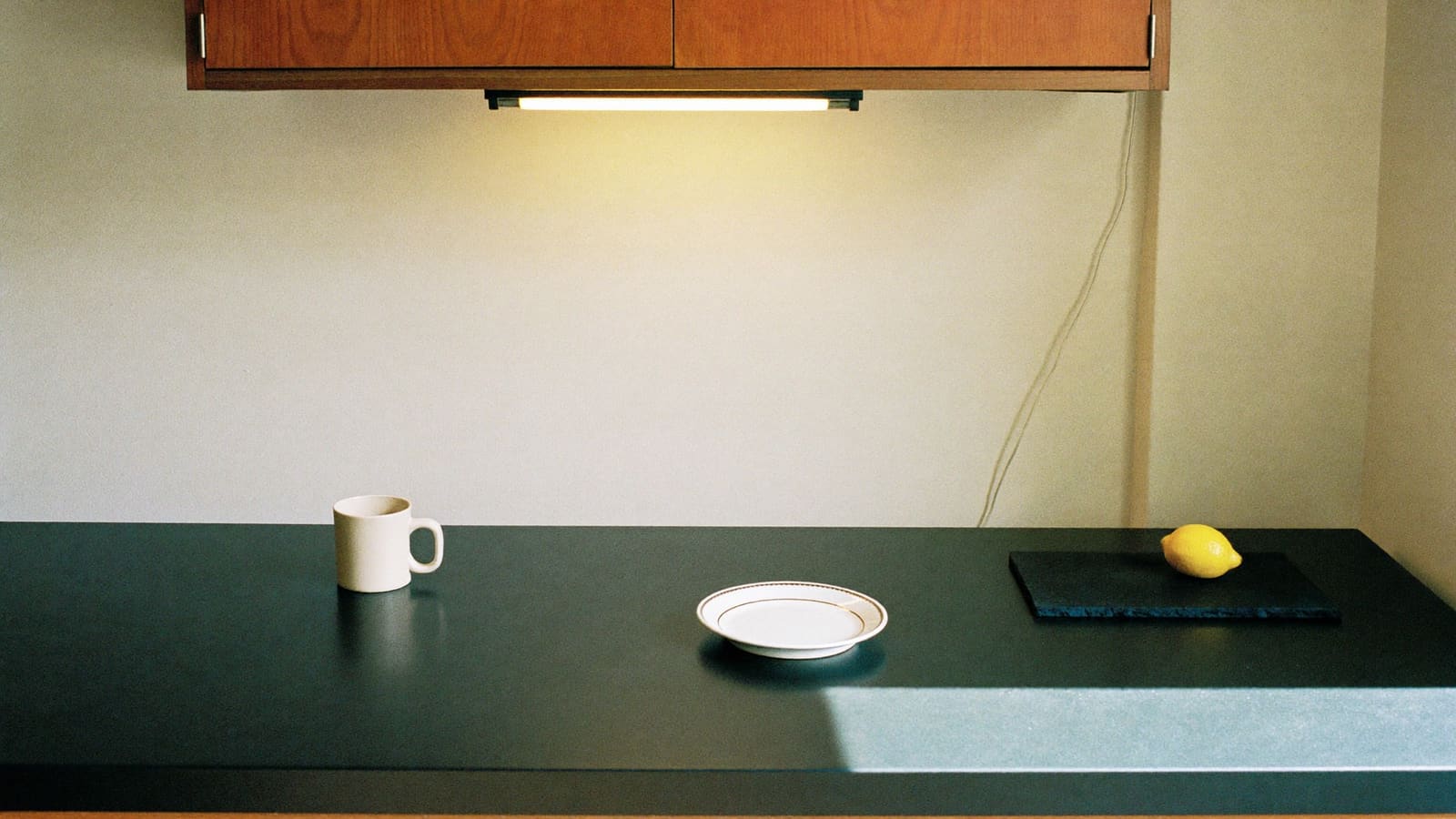
Illustrative. Does not depict Aldera clients or staff.
Low vision is one of the most misunderstood things that happens to people as they age, because the word suggests darkness and that is almost never what it is.
Macular degeneration takes the middle of the picture and leaves the edges. Glaucoma does close to the reverse. Cataracts wash the whole scene out and throw a glare across it. In each case a person still has sight, often a great deal of it, and what they have actually lost is the ability to separate one thing from another in poor conditions.
That is good news, because conditions are the part you can change. A house cannot give someone their central vision back. It can stop asking them to find a white plate on a white bench.
This is general information rather than advice about your eyes. For that, see an optometrist or an ophthalmologist.
Contrast does more than anything else
If you only do one thing, do this one. Contrast is the difference in tone between an object and whatever sits behind it, and it is the single biggest lever in the house.
- Put pale things on dark surfaces and dark things on pale ones. A white mug on a black placemat is findable. A white mug on a cream bench is not. Buy one dark chopping board and one pale one and use whichever the food is not.
- Mark the edge of every step with a strip of tape in a strongly contrasting colour, inside and out, including the lip of the back step that everyone forgets.
- Change the toilet seat. A dark seat in a white bathroom is a small, cheap, slightly undignified-sounding change that prevents a genuinely common accident.
- Paint the door frames. A frame in a colour that differs from the wall makes a doorway obvious, and the same trick works on light switches.
- Get rid of busy patterns on the floor. A patterned rug reads as texture, shadow or a hole, and a person who cannot tell which will step oddly to be safe. That hesitation is where falls come from, which our home safety checklist covers more broadly.
Light, and then more light
Ageing eyes need considerably more light than younger ones to do the same work, and most Australian houses were lit to a standard set decades ago.
- Light the task, not the room. An overhead fitting in the middle of a ceiling puts the person’s own shadow over the chopping board. A lamp or a strip light at the bench, at the reading chair, at the sewing table, is worth more than doubling the ceiling globe.
- Even it out. Moving from a bright kitchen to a dim hall means a pause while the eyes adjust, and that pause gets longer with age. Lift the dark spots rather than making the bright spots brighter.
- Kill the glare. Glare is the other half of the problem and often self-inflicted: a bare globe, a polished benchtop, afternoon sun straight down a hallway. Shades, sheer curtains and matt surfaces fix most of it.
- Sort the night route. From the bed to the toilet, lit the whole way, on a sensor rather than a switch that has to be found.
Marking things without printing anything
Large print helps some people and is useless to others, so do not assume the answer is a bigger label.
- Tactile bump dots on the microwave start button, the washing machine setting that actually gets used, the oven’s 180 mark. A finger finds them in the dark.
- Rubber bands around one of two similar bottles. One band, not two, and always the same bottle.
Layout is the part that needs other people
Everything above is a one-off purchase. This last one is a habit, and it is the one that quietly fails.
A person with low vision runs the house from memory. The keys live in the bowl. The reading glasses live on the left of the sideboard. The kettle sits at the back right of the bench with the handle turned out. That map is doing the work that sight used to do, and every time somebody helpfully puts something away somewhere sensible, a piece of it is deleted.
So the rule for everyone who comes into the house is simple and absolute: put it back exactly where you found it, and if you have to move something, say so out loud before you leave.
This is the point at which who comes through the door starts to matter more than what they do once they are inside. A worker on their first visit does not know the map and cannot follow it. They will stack the mail in a tidy pile in the wrong place, close the curtain that was open for the light, and move the chair a foot to the left to vacuum.
At Aldera the same small Care Circle works with a household rather than around it, and the layout of a home goes into the One Story record alongside everything else that matters, so the fourth worker knows about the bowl by the door without being told again.
Getting it assessed and paid for
An occupational therapist is the person who does the walk-through, and their recommendations carry weight when equipment or a modification is being considered. Raise vision specifically at your My Aged Care assessment. What support is funded is decided through that process, so start at myagedcare.gov.au rather than from a figure you read somewhere.
Some of what helps here is equipment, and our guide to home modifications covers how that side is arranged. Much of the rest is tape, lamps and a household that has agreed to put things back.
If low vision is part of the picture at your place, say so at the first conversation. It changes how we roster, not just what we do.
Part of our Our services guide.
Not sure where you fit?
Call us and a real person will talk it through, no obligation and no script.
Call 1300 998 928Common questions
Does low vision mean going blind?
Usually not. Most people described as having low vision still have useful sight, often quite a lot of it. What they have lost is some combination of sharpness, contrast sensitivity, central vision or side vision, and the loss is rarely even across the whole field. This matters because the practical response is different. Someone who cannot read a label in dim light may read the same label easily under a good lamp, and the fix is the lamp.
Who assesses what the house needs?
An occupational therapist is the person who walks through the house and works out what to change, and an optometrist or ophthalmologist deals with the eyes themselves. The two jobs are separate and you generally want both. Ask about an occupational therapy assessment at your My Aged Care assessment, because an assessor cannot plan for something nobody raises.
Can a support worker help with the visual side of things?
Yes, and mostly in ways that cost nothing. Putting an item back exactly where it was found, saying who they are on the way in rather than appearing in a doorway, reading out post, describing what they have moved before they leave. None of that is a task on a roster. It is a way of working, and it only happens reliably when the same few people keep coming.
More guides
-
Guides
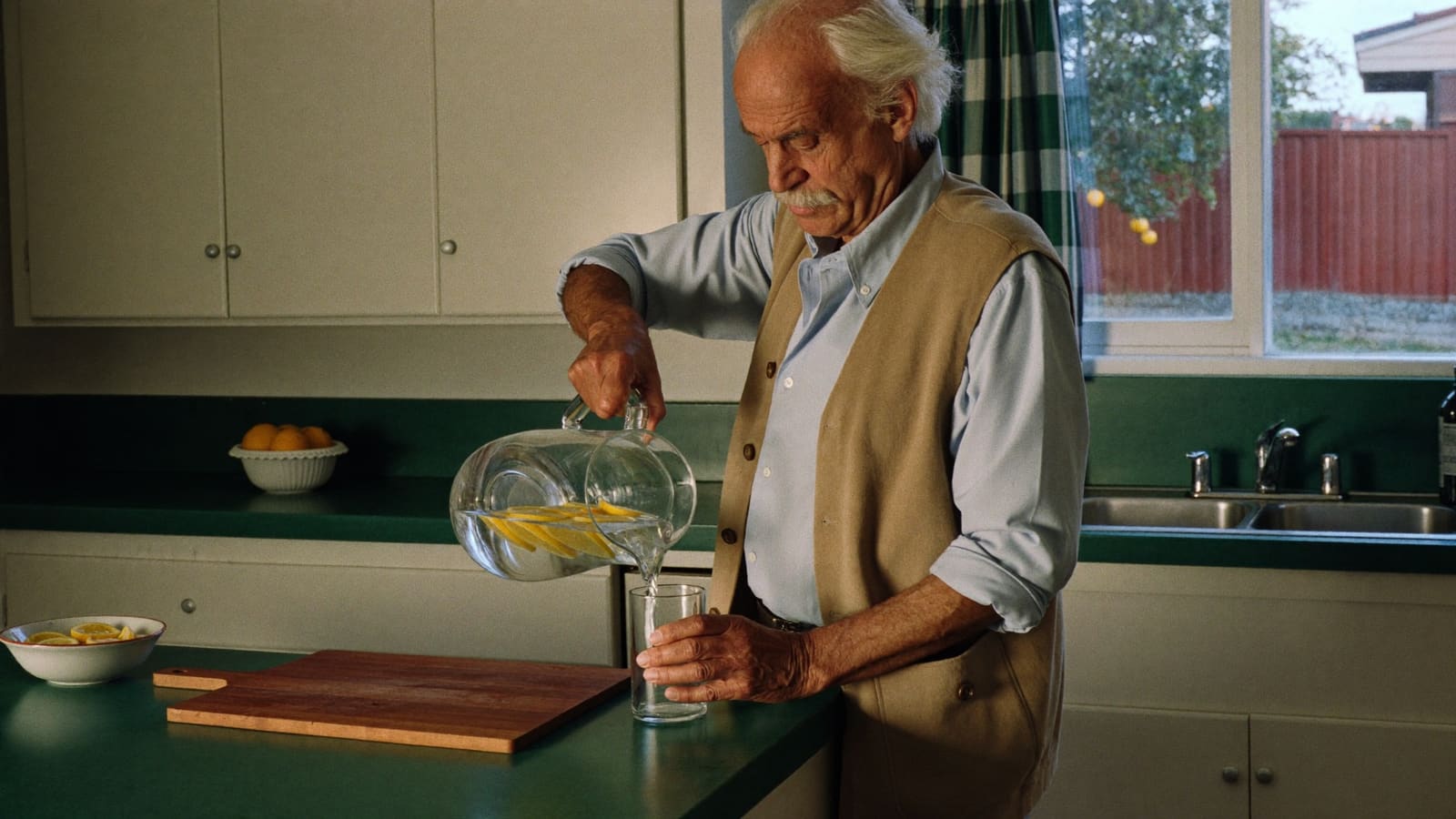
Drinking enough water in later life
Why older people drink less without noticing, the signs of dehydration to watch for, and small habits that make drinking easier at home.
15 October 2026
-
Guides
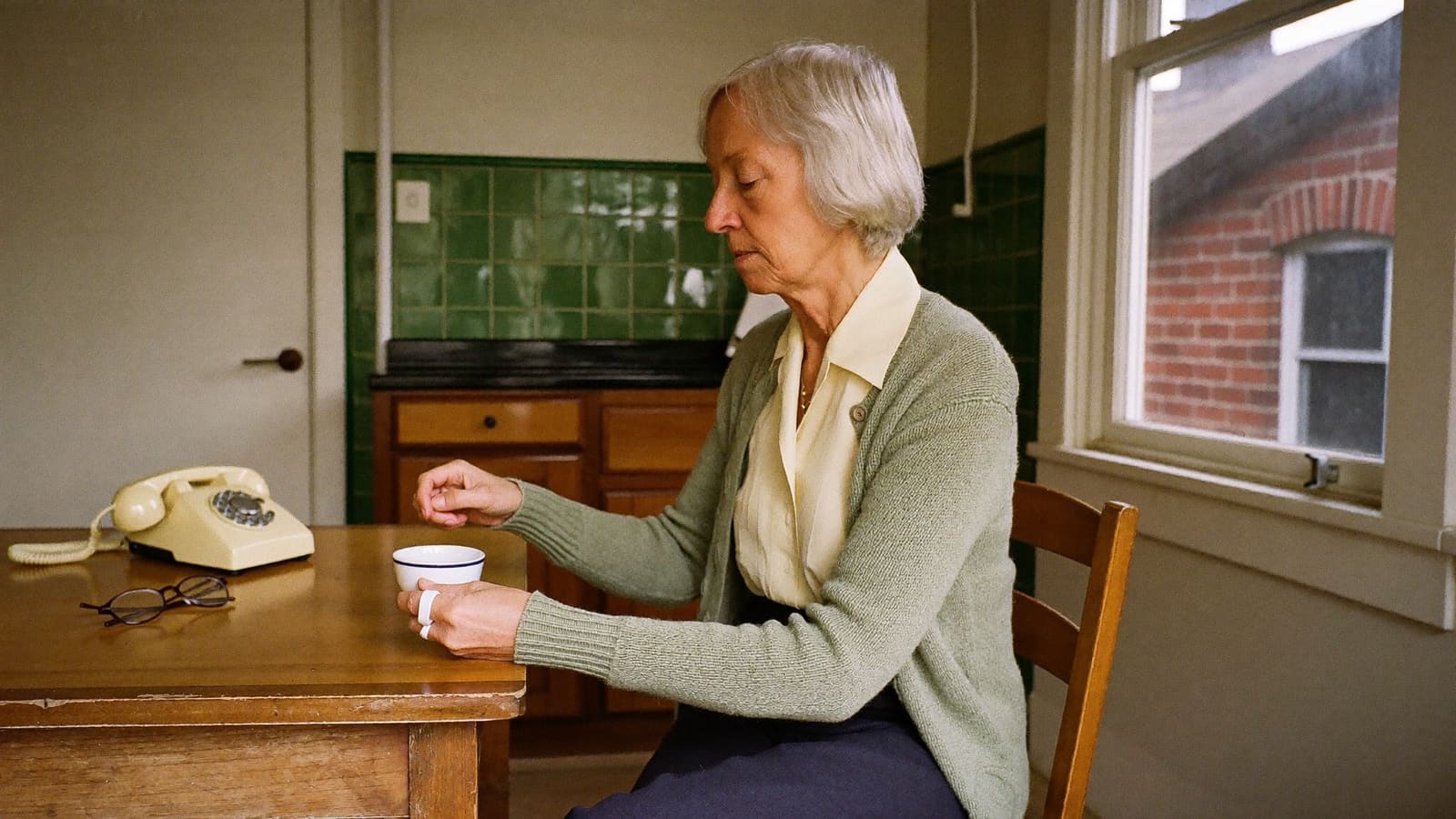
Recognising elder abuse and where to get help
The forms elder abuse takes, the quiet signs families and workers notice, and who to contact in NSW if you are worried about an older person.
15 October 2026
-
Guides
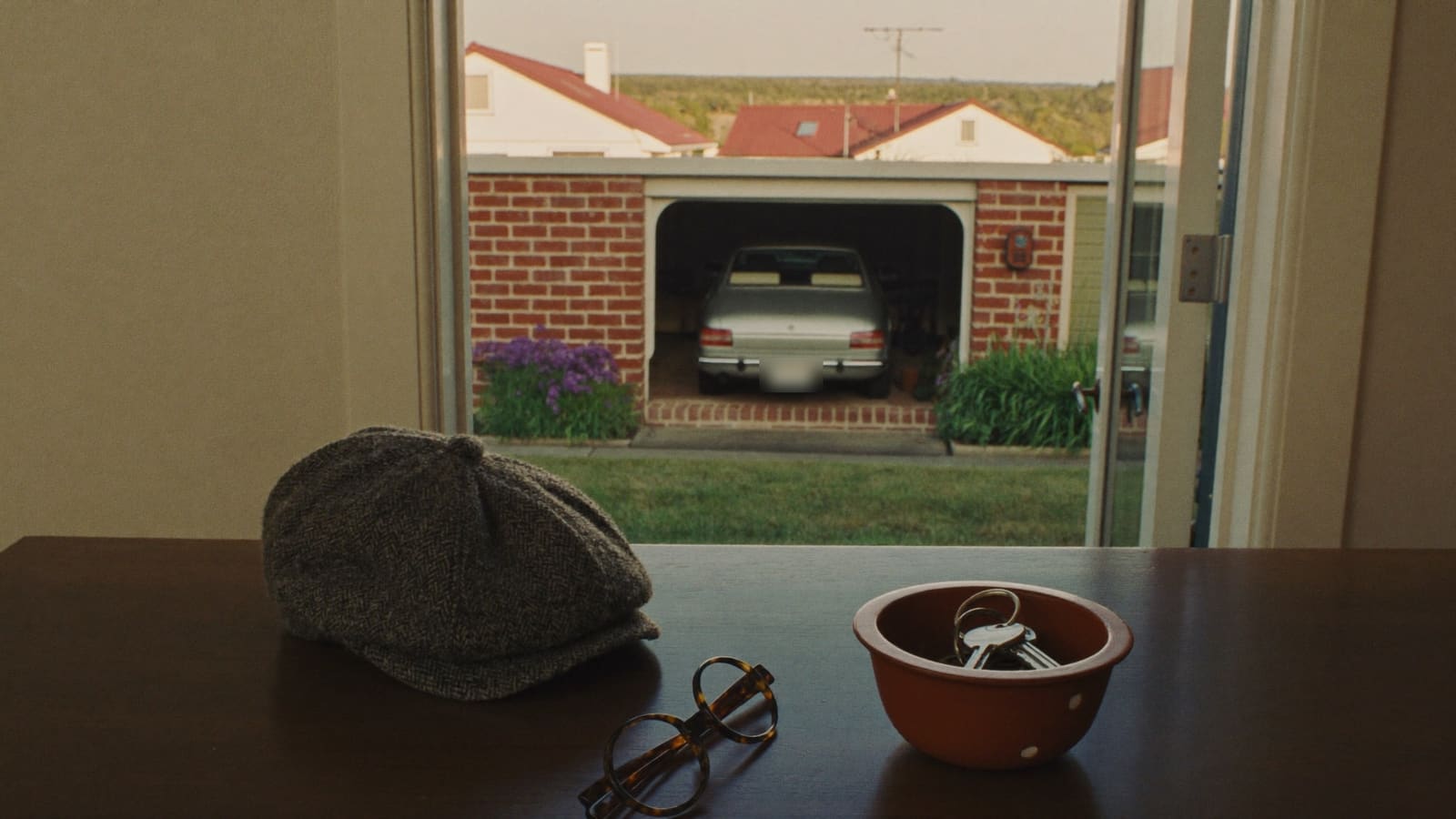
Talking to a parent about giving up driving
Signs driving is getting harder, how to raise it without a fight, who can give an independent view, and how to keep a parent getting out once the keys go.
15 October 2026