Guides
Massage and manual therapies at home
The Aldera team Published 2 September 2026
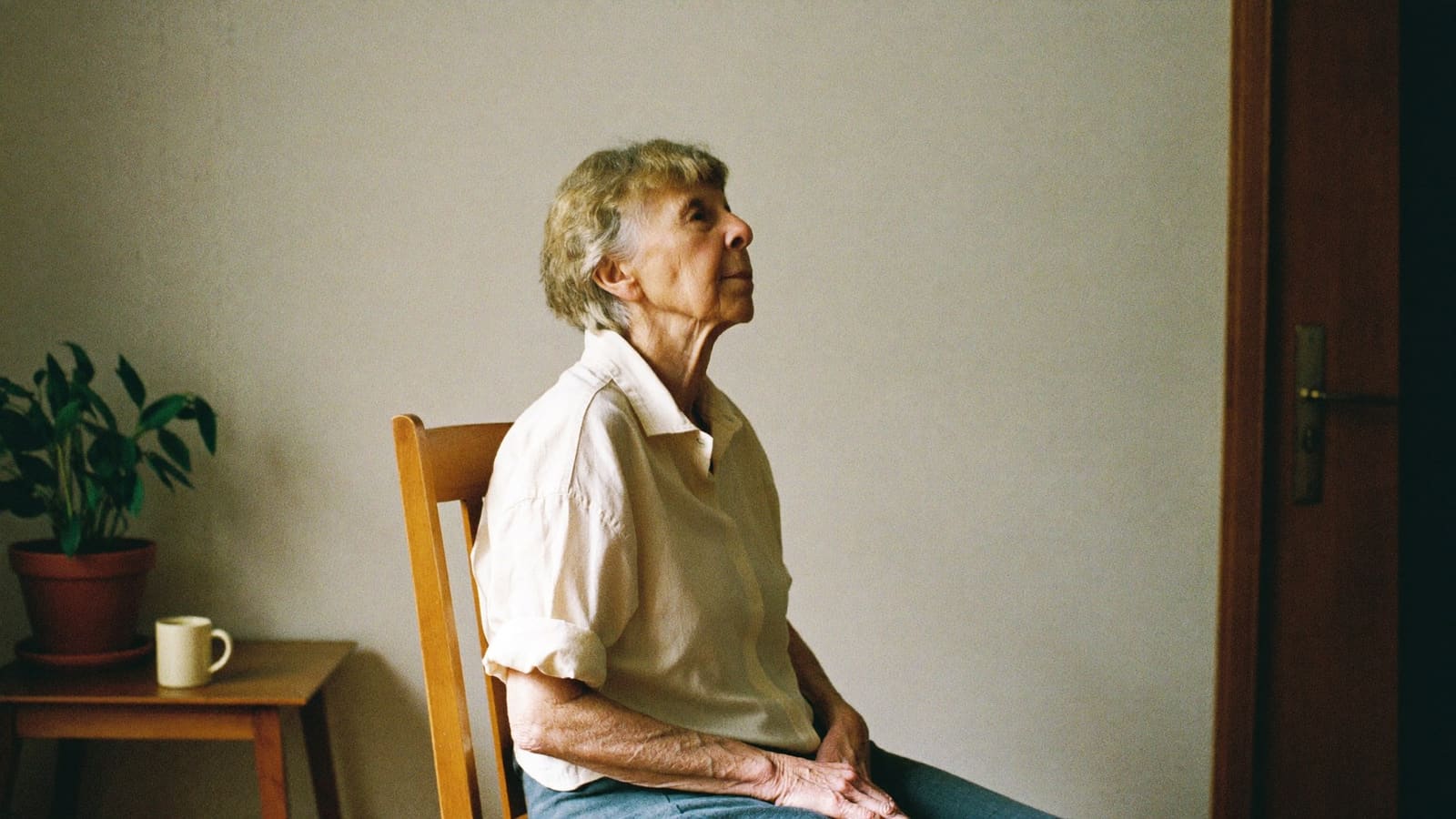
Illustrative. Does not depict Aldera clients or staff.
This group sits slightly apart from the rest of allied health, and it is worth being straight about why.
Persistent muscular pain and stiffness are extremely common in later life, they are undertreated, and hands-on therapy helps a lot of people feel better. It is also the corner of allied health where claims outrun evidence most often, and where an older person is most likely to be sold a long course of treatment they did not need.
Both of those things are true at once. This is a guide to using it sensibly.
This is general information, not advice. Pain has causes, and a new or changing pain should be assessed by a GP before anyone treats it.
What the four actually are
Remedial massage. Soft tissue work for muscular pain, tightness and stiffness. The least ambitious of the four in what it claims and often the most straightforwardly useful.
Myotherapy. A broader soft-tissue practice that assesses as well as treats, using massage along with dry needling, stretching and exercise prescription depending on the practitioner.
Osteopathy. Hands-on treatment across joints, muscles and connective tissue, with a whole-body framing. Osteopaths are university-trained and registered.
Chiropractic. Focused mainly on the spine and joint function, using adjustment and manipulation. Also university-trained and registered.
The overlap between them is substantial, and in practice the individual practitioner matters more than which of the four titles they hold. What you want is someone who regularly treats people in their eighties and adjusts what they do accordingly.
What it is reasonable to expect
Relief from muscular pain and stiffness, often noticeable and often short-lived, which is why it tends to be used as a regular thing rather than a cure. Better movement and comfort for a while afterwards. And, not trivially, the experience of being physically cared for, which for someone who lives alone and is touched by nobody is worth more than it sounds.
What is not reasonable is a claim to treat conditions unrelated to the musculoskeletal system, a diagnosis that contradicts your doctor, or a package of thirty sessions paid up front. Any of those is a reason to leave.
The cautions that matter
This is the part most worth reading, because an older body has less margin.
Tell the practitioner, before they touch you:
- Osteoporosis or thinning bones, or any past fragility fracture
- Blood-thinning medication, which makes bruising and bleeding more likely
- Any recent fracture, surgery or joint replacement
- Skin that tears or bruises easily, or long-term steroid use
- Heart conditions, blood pressure problems or a pacemaker
- Diabetes, particularly with reduced sensation
- Cancer, current or past
- Any unexplained pain that has not been assessed
Osteoporosis and blood thinners are the two that most often go unmentioned and matter most. Forceful manipulation of an osteoporotic spine is not a small risk, and a competent practitioner will change their approach entirely once they know.
And get new pain diagnosed first. Back pain in an older person is usually musculoskeletal and sometimes is not. Pain that came on suddenly, pain at night, pain with weight loss, pain with fever, or any weakness, numbness or bladder and bowel change is a GP appointment, not a massage appointment.
Choosing well
Ask how often they treat people over eighty. Ask what they will do differently because of your age and your medications. Ask, at the outset, how many sessions before you should expect to notice something, and pay session by session rather than in a block.
Then judge it on how you feel. If three or four sessions have produced nothing, the honest conclusion is that this is not the answer for you, and a good practitioner will say so first.
What often works better, or alongside
For most older people with pain and stiffness, the interventions with the strongest evidence are movement-based rather than hands-on. Strength and balance work, and graded activity, do more for long-term function than passive treatment does, and our guides to physiotherapy at home and exercise physiology and preventing falls cover that ground.
The sensible position is not either or. Hands-on therapy for comfort now, and strength work for function later. The mistake is using the first as a substitute for the second, because comfort without strength still ends in a fall.
Where support work fits
A support worker does not massage or treat. What they do is get someone to appointments, follow any stretching or movement programme that has been set, keep a heat pack or prescribed cream to hand where that is in the plan, and notice and report changes in pain and movement.
They also notice the thing a fortnightly practitioner cannot: whether the relief is lasting two days or two weeks, and whether it is worth continuing.
For current information start at myagedcare.gov.au. If you want appointments arranged, transport to them, or a movement programme followed at home, that is part of what we coordinate. Ring us and a person will answer.
Part of our Our services guide.
Not sure where you fit?
Call us and a real person will talk it through, no obligation and no script.
Call 1300 998 928Common questions
What is the difference between massage, myotherapy, osteopathy and chiropractic?
Remedial massage works on soft tissue for muscular pain and stiffness. Myotherapy is a broader soft-tissue practice that also assesses and treats muscular pain. Osteopathy uses hands-on techniques across joints and soft tissue with a whole-body approach. Chiropractic focuses mainly on the spine and joint function. There is real overlap between all four, and practitioners vary as much as professions do.
Are manual therapies safe for older people?
Generally yes with a practitioner experienced in older clients, but there are real cautions. Osteoporosis, blood-thinning medication, recent fractures, joint replacements, skin fragility and some cardiovascular conditions all change what is appropriate. Tell the practitioner everything, including every medication, and speak to your GP first if you have any of those.
Are these funded under aged care?
Sometimes, and less reliably than the core allied health disciplines. Funding for massage and manual therapies under aged care arrangements varies, and many people pay privately. Ask your provider what your own arrangement covers before booking a course of treatment rather than after.
More guides
-
Guides
Drinking enough water in later life
Why older people drink less without noticing, the signs of dehydration to watch for, and small habits that make drinking easier at home.
15 October 2026
-
Guides
Recognising elder abuse and where to get help
The forms elder abuse takes, the quiet signs families and workers notice, and who to contact in NSW if you are worried about an older person.
15 October 2026
-
Guides
Talking to a parent about giving up driving
Signs driving is getting harder, how to raise it without a fight, who can give an independent view, and how to keep a parent getting out once the keys go.
15 October 2026