Guides
What an overnight support shift involves
The Aldera team Published 2 September 2026
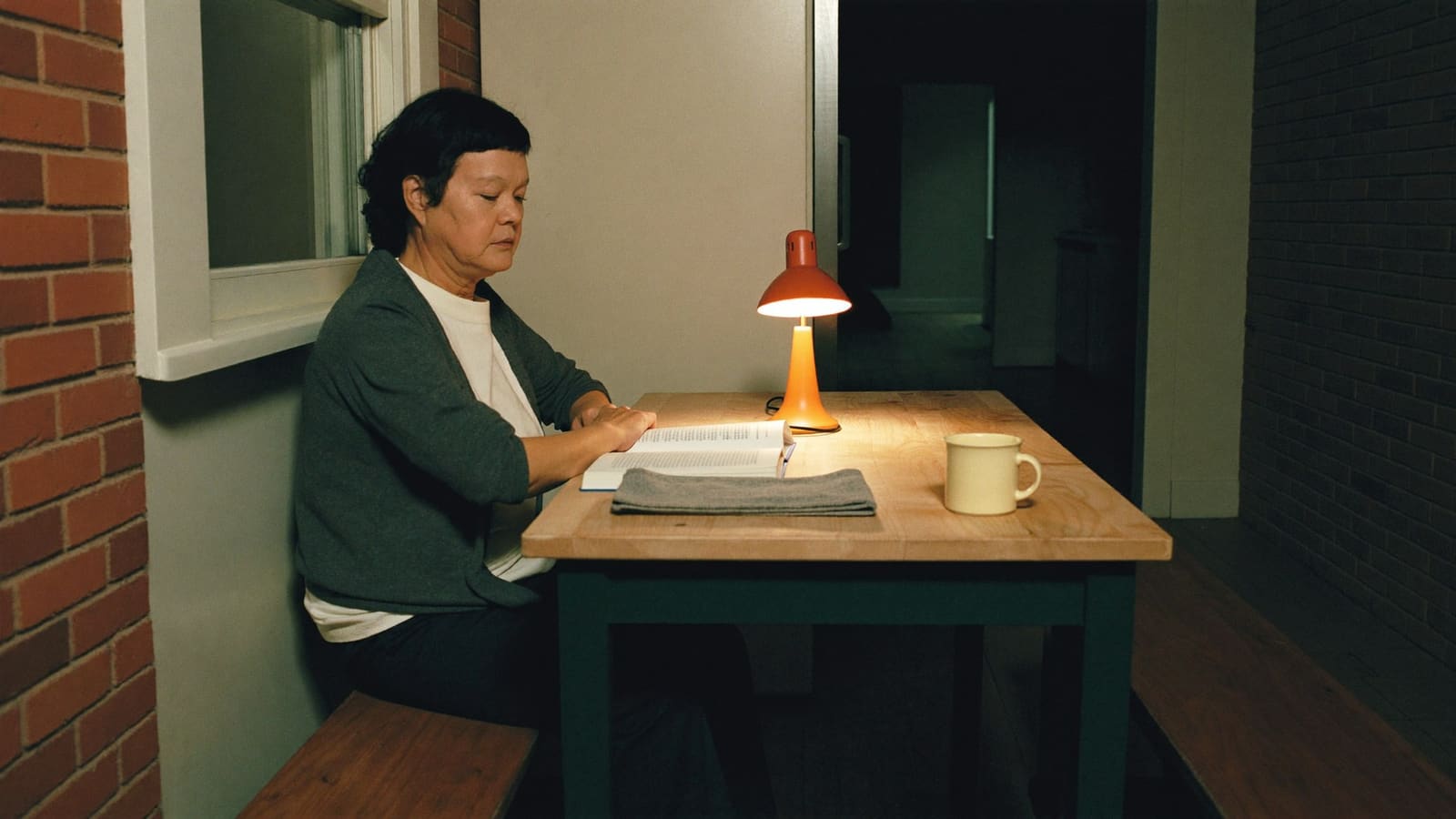
Illustrative. Does not depict Aldera clients or staff.
Nights are where home care arrangements quietly fail.
The days can be organised. Someone comes at eight, the shower gets done, lunch is in the fridge, and by mid-afternoon the household looks like it is coping. Then the light goes and the arithmetic changes. There is no one to call, everything takes longer, and the person doing the listening has not slept properly since autumn.
Overnight support is the least understood part of in-home care, largely because it is sold as one thing when it is really two.
Two different shifts
A sleepover. The worker is in the house for the night, sleeps there, and is woken if they are needed. The value is not activity, it is presence. Somebody is there if there is a fall, if confusion sets in at two in the morning, or if help is needed to the toilet. Suits a household where the nights are mostly settled and the fear is what happens if they are not.
An active night shift. The worker stays awake for the whole shift. Suits someone who wakes repeatedly, needs regular repositioning or toileting, gets up and walks about, or needs eyes on them for safety. Nothing about it is passive.
These are staffed differently and cost differently, and the most common mistake families make is guessing. Book an awake shift for settled nights and you pay for a service nobody uses. Book a sleepover for a household with five wakings and the worker is exhausted by Wednesday and the arrangement collapses.
The way to settle it is unglamorous. Keep rough notes for a fortnight. What time they wake, what they needed, how long it took, whether they went back to sleep. Two weeks of that answers a question no one can answer from memory.
What the night actually looks like
Most of an overnight shift is quiet, and the quiet is the point.
The shift usually starts before bed rather than at bedtime, because the settling is half the work. Helping with the evening wash and into nightclothes. A last drink. Making sure the path from bed to bathroom is clear and the lamp is within reach. Doors checked. Then the house goes down.
Through the night, depending on the person: help to the toilet, repositioning, a drink, resettling after a bad dream, or simply a voice in the dark saying it is two o’clock and everything is fine. For someone with dementia, that last one can be most of the job, and doing it calmly and the same way each time is a real skill.
In the morning it is the reverse of the evening. Up, dressed, breakfast, medications prompted if that is in the plan, and a handover to whoever comes next.
What a support worker does not do is nursing. Wound care, injections, catheter management and anything else clinical sits with a registered nurse and belongs in the care plan explicitly. If you are being told otherwise, ask harder questions.
The person nobody assesses
Assessments look at the person receiving care. They are much less good at noticing the seventy-eight year old husband sleeping in a chair beside the bed so he can hear her, who has done it for fourteen months.
That man is the load-bearing wall of the whole arrangement, and he is the one most likely to give way. When he does, two people go into residential care instead of none.
One or two covered nights a week is often the cheapest intervention available, and it is not indulgence. It is what keeps someone at home. If that is the situation in your house, read respite care explained alongside this, because the two overlap heavily.
Whether it is worth it
Overnight support is one of the more expensive things you can put in place, so it deserves a clear reason. Good reasons look like this.
- Falls at night, or a fall that has already happened
- Someone who gets up and out of bed disorientated, or leaves the house
- Toileting through the night that a family carer cannot keep managing
- A family carer who has not slept properly for months
- The weeks after a hospital stay, when nights are the least steady part of the day
- Approaching end of life, where nights are long and nobody should sit through them alone
If none of those apply, a personal alarm, better lighting and a clear path to the bathroom may do the job for a fraction of the cost. Our home safety checklist covers that ground in about fifteen minutes.
How it works at Aldera
The full detail sits on our overnight and 24 hour care page, but the part worth saying here is about who walks in.
Nights are the worst possible place for a stranger. Someone waking confused at three in the morning to an unfamiliar face in the hallway is a genuinely frightening experience, and it makes the night worse rather than safer. So overnight sits inside the same small Care Circle as the rest of the week, and the household knows the names before the first shift.
Costs are means tested and set nationally, so we will not print a figure here. Eligibility and assessment information is at myagedcare.gov.au, and the current program detail is published by the Department of Health and Aged Care. For your own numbers, ring us and we will go through them with you.
Part of our Our services guide.
Not sure where you fit?
Call us and a real person will talk it through, no obligation and no script.
Call 1300 998 928Common questions
What is the difference between a sleepover shift and an active night shift?
On a sleepover the worker sleeps in the house and is woken if they are needed, which suits a household where the nights are mostly settled and the risk is being alone if something happens. On an active night shift the worker stays awake for the whole shift, which suits frequent waking, regular toileting through the night, or someone who gets up and walks about. The two are staffed and priced differently, so the honest answer about how the nights actually run matters.
Does someone have to stay awake all night?
Only if the nights need it. Many households do better on a sleepover, and paying for an awake shift that nobody uses is waste. Work it out from what actually happens, not from what might. Two weeks of rough notes on when the person wakes and what they need will answer it.
Is overnight support just for the person being cared for?
No. Very often the real reason is the family carer. A husband or daughter who has not slept through the night in a year is the person closest to collapse in the house, and one or two covered nights a week is what keeps the whole arrangement standing.
More guides
-
Guides
Drinking enough water in later life
Why older people drink less without noticing, the signs of dehydration to watch for, and small habits that make drinking easier at home.
15 October 2026
-
Guides
Recognising elder abuse and where to get help
The forms elder abuse takes, the quiet signs families and workers notice, and who to contact in NSW if you are worried about an older person.
15 October 2026
-
Guides
Talking to a parent about giving up driving
Signs driving is getting harder, how to raise it without a fight, who can give an independent view, and how to keep a parent getting out once the keys go.
15 October 2026