Guides
Living with persistent pain at home
The Aldera team Published 7 October 2026
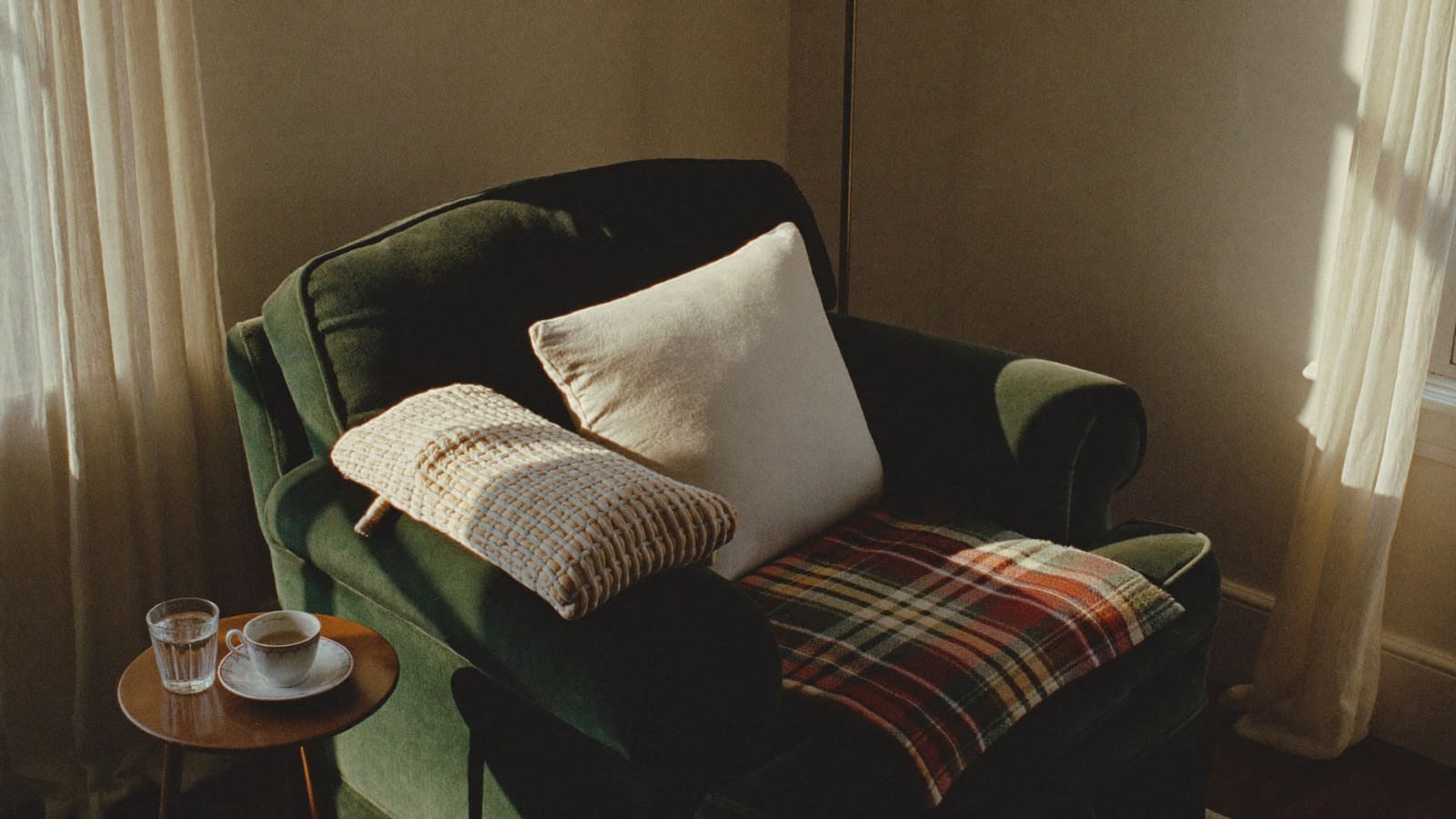
Illustrative. Does not depict Aldera clients or staff.
This is general information, not medical advice. Speak to the GP about any pain that is new, severe or changing, and before starting or stopping any medicine.
Persistent pain is pain that sticks around for months rather than days. In later life it often comes from arthritis, an old back injury, nerve pain or the after-effects of surgery. It does not always show, which is part of what makes it hard. A person can look fine at the door and be quietly dreading the walk to the bathroom.
The good news is that pain and independence are not a straight trade. Plenty of people find ways to keep doing what matters with the right mix of help.
Start with a proper review
Pain that has been around a long time can slip into the background of GP appointments. It is worth booking a visit about the pain itself. Useful things to bring:
- a short note of when it is worst and what makes it better or worse
- a list of everything taken for it, including over-the-counter tablets, creams and supplements
- one or two things the pain is stopping, such as gardening, sleeping through or getting to church or the club
Our list of what to take to a GP appointment covers the rest. If several medicines are involved, ask the GP about a home medicines review with a pharmacist.
Movement, pacing and the body
It sounds backwards, but gentle, regular movement is one of the most reliable helpers for many kinds of persistent pain. A physiotherapist or exercise physiologist can build something safe and specific, and an occupational therapist can change how tasks are done so they hurt less: a perching stool at the bench, a long-handled sponge, a different way in and out of bed. Our guide to allied health at home explains who does what.
Pacing matters as much as exercise. Many people do everything on a good day and pay for it for three days after. Breaking jobs into smaller pieces and resting before the pain peaks tends to give more good days overall.
Heat packs, warm showers, a supportive chair and a good pillow are small things, but they are often the ones people reach for first. Ask a health professional which are safe for you, especially with heat and any loss of feeling in the skin.
Sleep and mood
Pain, poor sleep and low mood feed each other. If the nights are bad, say so at the GP. If the pain is wearing someone down, a psychologist or counsellor can help with coping strategies, and that is a normal part of pain care, not a sign it is “in your head”. Our guide on sleep problems in later life has more.
Healthdirect’s information on pain, at healthdirect.gov.au, is a reliable starting point for reading further.
Help at home that works with the pain
The tasks that pain makes hardest are usually the physical ones: showering, vacuuming, changing sheets, hanging out washing, carrying shopping. Handing over one or two of those can free up energy for the things a person actually wants to keep doing.
How the help is given matters too. At Aldera, the same small Care Circle visits each week, so the people helping learn that Tuesdays after hydro are tired days, or that the left shoulder is the bad one. Those details live in our One Story record, so nobody asks the same painful questions twice, and the Care Lead can raise a pattern with the family or GP early. You can read about that approach on the Aldera way.
If the pain has changed what a day looks like, a good first step is to note which three tasks have become hardest. That list is the starting point for a conversation with the GP, an assessor through My Aged Care, or with us.
Part of our Our services guide.
Not sure where you fit?
Call us and a real person will talk it through, no obligation and no script.
Call 1300 998 928Common questions
Is persistent pain just part of getting older?
Pain is common in later life, but it should not be accepted as normal or left alone. Many people get real relief from a combination of medical review, movement, and changes to how daily tasks are done. Talk to the GP about any pain that is new, getting worse or stopping you doing things.
Can Support at Home funding pay for help with pain?
Support at Home can include allied health such as physiotherapy and occupational therapy, plus practical help with tasks that pain makes hard. What you can access depends on your assessment. Ask My Aged Care or your provider about your own situation.
Should a support worker change how they help when someone is in pain?
Yes. A good support worker paces tasks, asks before moving someone, and reports changes to the care team rather than pushing through. It helps a great deal when the same workers come each week, because they learn what a bad day looks like.
More guides
-
Guides
Drinking enough water in later life
Why older people drink less without noticing, the signs of dehydration to watch for, and small habits that make drinking easier at home.
15 October 2026
-
Guides
Recognising elder abuse and where to get help
The forms elder abuse takes, the quiet signs families and workers notice, and who to contact in NSW if you are worried about an older person.
15 October 2026
-
Guides
Talking to a parent about giving up driving
Signs driving is getting harder, how to raise it without a fight, who can give an independent view, and how to keep a parent getting out once the keys go.
15 October 2026