Guides
Sleep problems in later life
The Aldera team Published 2 September 2026
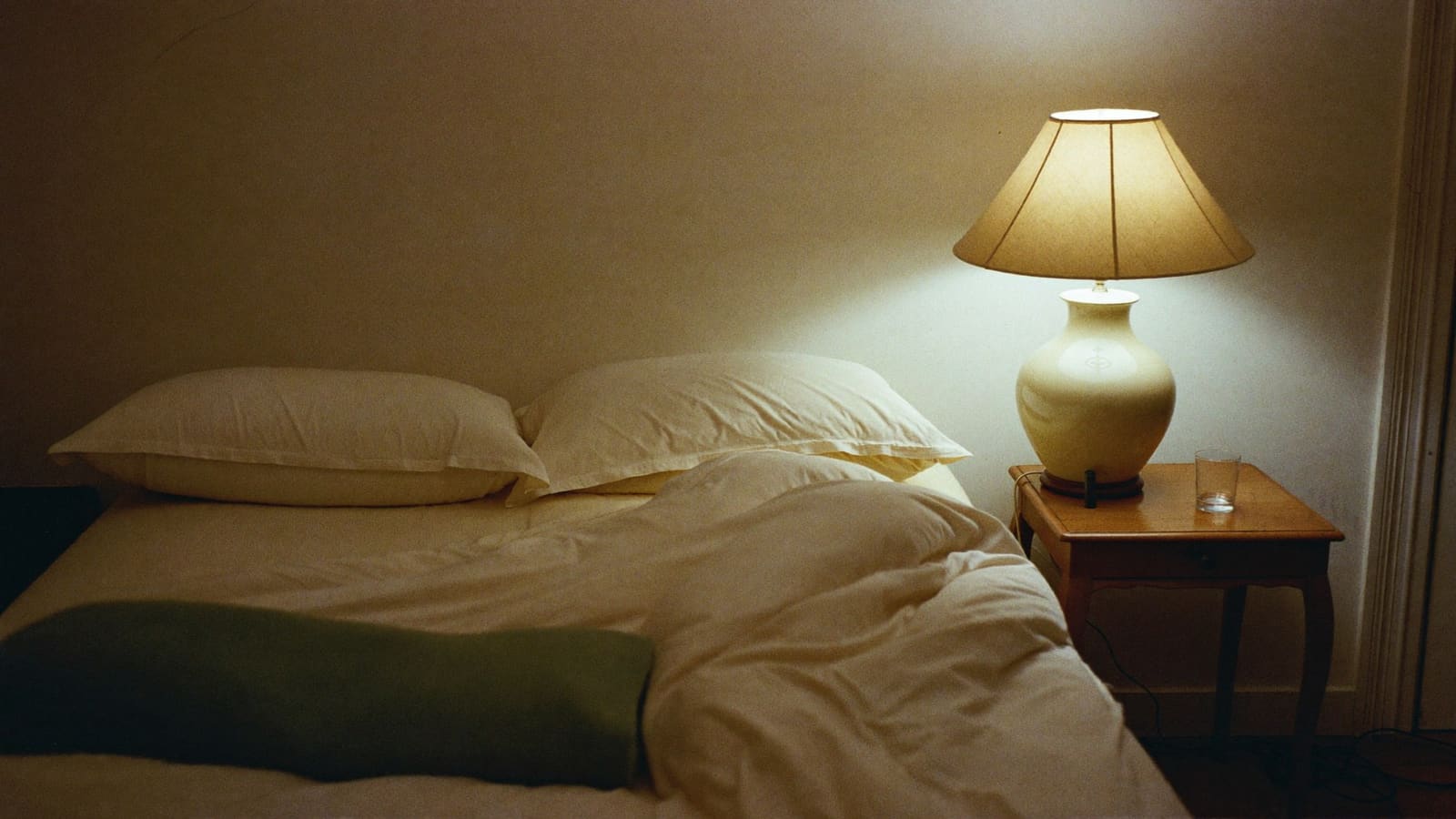
Illustrative. Does not depict Aldera clients or staff.
Poor sleep gets waved away as part of getting old, and a good deal of it is not.
It also does much more damage than people credit. A person who is not sleeping is more likely to fall, more likely to be confused, more likely to be low, and less able to manage the day. In households where a spouse is being cared for, broken nights are one of the commonest reasons an arrangement at home collapses.
This is general information, not advice. Persistent sleep problems, and anything involving breathing during sleep, need a GP.
What genuinely changes with age
Sleep gets lighter. Deep sleep reduces. Waking in the night becomes more common. And the whole cycle tends to shift earlier, so people get sleepy in the evening and wake very early.
That is normal, and knowing it prevents a lot of unnecessary worry. Someone waking at five and feeling fine is not ill.
What is worth chasing is being tired all day, a clear change from their own previous pattern, or a night that has become distressing.
What usually sits behind a bad night
Rarely one thing.
Needing the toilet. The most common single cause, and often the most fixable. Worth a proper look rather than accepting, and covered in continence support at home.
Pain. Arthritis, cramps, restless legs. Pain that only shows up at night still counts as pain worth treating.
Medications. Some interfere directly, and diuretics taken late guarantee a broken night. A Home Medicines Review is a good way to get the whole list looked at properly.
Breathing. Sleep apnoea, or heart and lung conditions that are worse lying flat.
Mood. Early waking and disrupted sleep are classic features of depression, and in older people the sleep complaint is often what gets mentioned while the mood does not. See counselling and psychology in later life.
Daytime inactivity. Someone who has been in a chair since Tuesday has no physical reason to be tired at ten.
Naps. Not all naps are bad, but a two-hour sleep at four in the afternoon takes the night with it.
Alcohol. It gets people to sleep and then wakes them at three.
Dementia. Sleep and body clock disruption are common, and this is often the thing families find hardest to sustain.
What actually helps
Unglamorous, cumulative, and better evidenced than tablets.
Get up at the same time every day. The wake time anchors the whole cycle, and it matters more than the bedtime. Even after a bad night.
Get daylight in the morning. Fifteen or twenty minutes of outdoor light early does real work on the body clock, and it is the single most underused intervention here. Sitting on the back step with a cup of tea counts.
Move during the day. Any activity, ideally not late in the evening.
Cap the nap. Twenty or thirty minutes, early afternoon, not in the chair after four.
Do not lie there. If you have been awake for a while and are frustrated, get up, sit in dim light, do something dull, and go back when sleepy. Lying in bed awake teaches the body that bed is where you lie awake.
Sort the fluids. Drink normally through the day and taper in the evening rather than restricting overall, because dehydration causes its own problems.
Make the room right. Dark, cool, quiet. A dim night light and a clear path to the bathroom, because getting up at night is when falls happen.
Keep the bedroom for sleeping. Not the place where the day is spent.
About sleeping tablets
Worth being direct, while leaving the decision where it belongs.
Sedatives are widely prescribed to older people and the balance is generally poor. They raise the risk of falls and fractures, cause next-day drowsiness, can worsen confusion, and tend to lose effectiveness while the risks remain. Long-term use is difficult to stop.
None of that means never. It means it is a conversation with a GP, not a default, and it is entirely reasonable to ask what the non-medication options are first and to ask for a review of something already being taken. Do not stop a prescribed medication on your own.
When the nights are the whole problem
Some households are not dealing with poor sleep so much as with nights that cannot be covered. Someone who wakes repeatedly, needs help to the toilet, or gets up and walks about, and a spouse or daughter who has not slept properly in a year.
That is a staffing problem rather than a sleep problem, and the answer is usually overnight support so that somebody in the house gets a full night. It is one of the highest-value things you can put in place, and it is set out in what an overnight support shift involves.
The person to worry about in that house is usually not the one waking. It is the one listening.
Where support work fits
A support worker does not treat sleep problems. What they can do is hold the daytime structure that a decent night depends on: getting someone up at a consistent time, outside into the morning light, active during the day, and not asleep in the chair at half past four.
They also see the pattern. A household reporting “she does not sleep” is much easier to help when somebody has noted for a fortnight what time she wakes and what she needs, and that record is what turns a vague complaint into something a GP can act on.
For current information start at myagedcare.gov.au. To talk about overnight support, daytime structure, or having a sleep problem properly looked at, ring us and a person will answer.
Part of our Our services guide.
Not sure where you fit?
Call us and a real person will talk it through, no obligation and no script.
Call 1300 998 928Common questions
Do older people need less sleep?
Not much less, but sleep does change with age. It becomes lighter and more broken, deep sleep reduces, and both the sleep and wake times tend to shift earlier. Waking in the night is common and not automatically a problem. What is worth investigating is being tired all day, or the pattern changing noticeably from what it used to be.
Are sleeping tablets a reasonable answer for older people?
They are usually a poor first answer and can cause real harm. Sedatives raise the risk of falls, next-day drowsiness and confusion in older people, and the benefit tends to fade while the risk does not. That is a decision for a GP, but it is fair to ask about non-medication approaches first and to ask for a review of anything already being taken.
What is sleep apnoea and does it matter at this age?
It is repeated interruption of breathing during sleep, which fragments the night and leaves someone tired despite hours in bed. It matters at any age, and it is under-diagnosed in older people because the tiredness and the memory and concentration problems get attributed to age instead. Loud snoring, witnessed pauses in breathing and daytime sleepiness are worth raising with a GP.
More guides
-
Guides
Drinking enough water in later life
Why older people drink less without noticing, the signs of dehydration to watch for, and small habits that make drinking easier at home.
15 October 2026
-
Guides
Recognising elder abuse and where to get help
The forms elder abuse takes, the quiet signs families and workers notice, and who to contact in NSW if you are worried about an older person.
15 October 2026
-
Guides
Talking to a parent about giving up driving
Signs driving is getting harder, how to raise it without a fight, who can give an independent view, and how to keep a parent getting out once the keys go.
15 October 2026