Guides
What happens to your plan when you travel
The Aldera team Published 11 September 2026

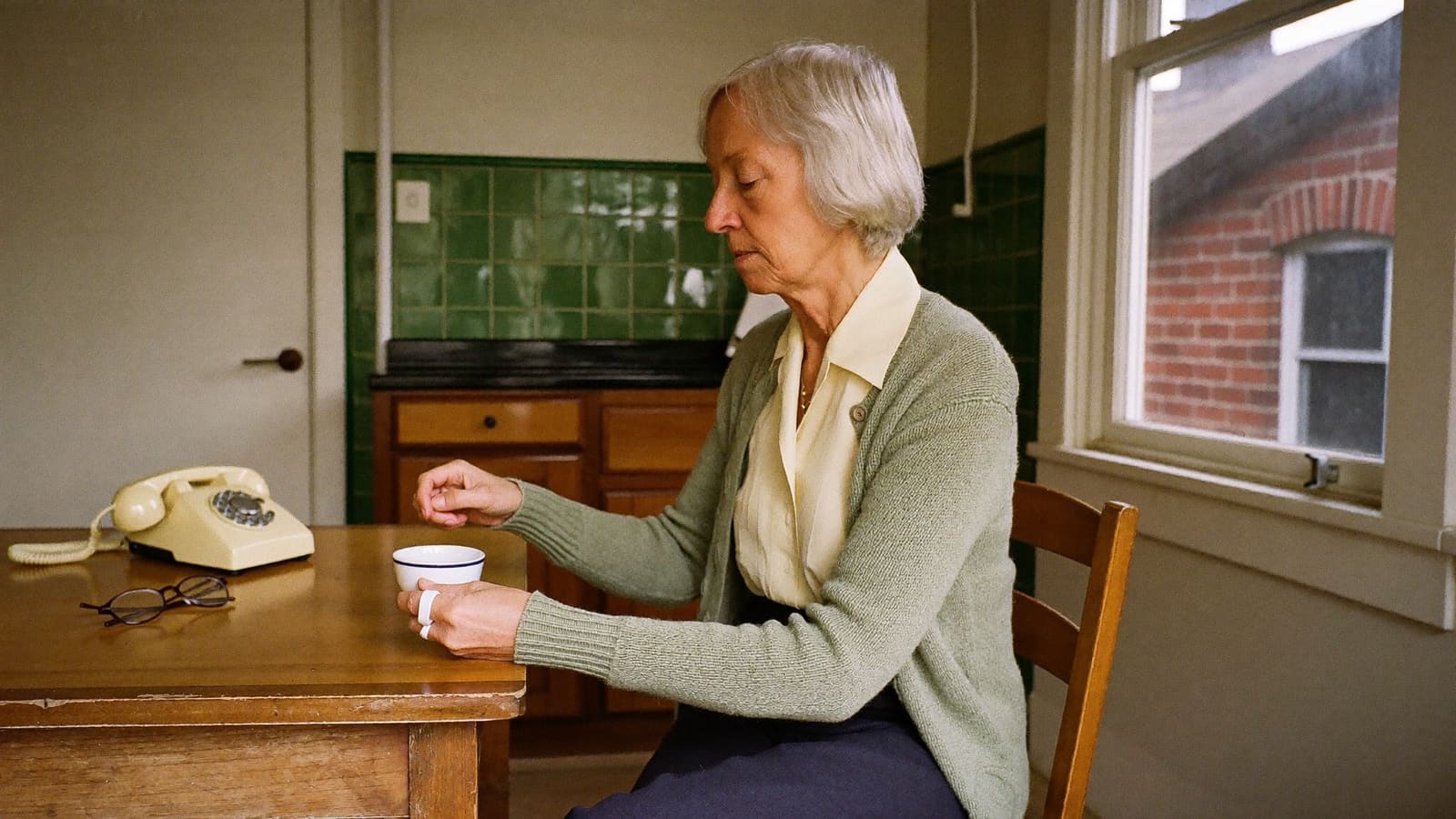
Illustrative. Does not depict Aldera clients or staff.
People put off trips they could take, because somewhere along the way they got the idea that being away would cost them their place. It usually does not. It does take one phone call, made early rather than the night before.
Here is what actually happens when you go away, what to ask, and what is worth sorting before you lock the front door. This is general information about how home care arrangements work, not advice about your own plan or your own money.
The place is not the thing at risk
Start with the fear, because it is almost always the wrong one. Going away does not undo your assessment, does not cancel your Support at Home place, and does not put you back on the waiting list. You keep the place.
What pauses is the delivery. Nobody can shower you, cook for you or vacuum for you while you are at your daughter’s place in Brisbane, so those visits stop for the period you are gone and start again when you are back. Our guide on funding when you go into hospital covers the same mechanism for an admission, which is the version of this most people meet first.
The thing that genuinely causes damage is silence. A roster that keeps turning up to an empty house for three weeks burns your budget, burns the worker’s week, and ends with an arrangement that feels broken when you get home.
Ring before you book, not after
One call, to your Care Lead or your provider’s office, as soon as the dates firm up. Say the dates, say where you are going, and ask what it means for your plan. A fortnight away needs a short call. Two months away needs a proper conversation, and it is much easier to have before the flights are paid for.
Four things to ask, and to get in writing:
- What happens to the visits. Pause and restart, same days and times, same people, or does the schedule get rebuilt from scratch when you return?
- What happens to any unspent funds. Money that is not spent on services you did not receive has to go somewhere. Ask where.
- What, if anything, is still charged. Ask for the specifics rather than a reassurance, and ask for it in an email.
- How long is too long. There are limits on extended absences and they depend on the program rules and the agreement you signed. Ask for the number that applies to you.
That last one is the only part that turns into a real problem, and only when nobody asks. A long absence can put your plan under review, and the point is to know that in advance rather than to find out from a letter.
Going away for a fortnight
A short trip is mostly logistics.
Tell your Care Lead the dates. Decide whether you want anything to continue in your absence, because sometimes you do: a garden that needs watering, a cat, a mailbox that fills. Ask whether the tasks you are pausing can be shifted rather than skipped, so the fortnightly clean happens the week before you go and the week you get back.
Take your medication list and your emergency information sheet with you. Our one-page emergency sheet is built to go in a bag, and a copy in a handbag has saved more than one holiday from turning into a hospital admission somewhere unfamiliar.
And say when you are actually back, not when you were meant to be back. Flights move.
Going away for months
This is the conversation that needs to happen properly, and there are a few different reasons people do it: a long stay with family interstate, a winter somewhere warm, or a trip back to the country they came from, which is often the longest and the most important.
Ask three things. What the limit on an extended absence is for your plan. What happens to the plan if you go past it. And what the path back looks like if the plan does lapse, because the answer to that is usually far less frightening than people imagine.
Also ask what happens to your worker. A long pause is the point at which a regular arrangement is most likely to quietly end, because the person who came every Tuesday has to be rostered somewhere else in the meantime. Our guide on when your regular support worker leaves covers how a handover should be done if it comes to that.
What we do with it
At Aldera your dates go into One Story, the single record everyone in your Care Circle works from, so the pause is known to the people who turn up rather than sitting in one person’s inbox. Your Care Lead handles the roster, the pause and the restart, and the same workers come back to the same days where we possibly can.
We would rather you went on the trip. A fortnight with grandchildren does more for most people than a fortnight of visits.
Where the official answers live
The program rules on absences and leave are set by government, not by us, and they change. For the current rules and what applies to your own plan, go to myagedcare.gov.au or ring 1800 200 422. Your provider has to be able to explain how those rules apply to your agreement, and if the answer is vague, our guide on raising a concern sets out what to do next.
Thinking about a trip and not sure where to start? Get in touch. A real person answers, and this is a short conversation.
Part of our How funding works guide.
Not sure where you fit?
Call us and a real person will talk it through, no obligation and no script.
Call 1300 998 928Common questions
Will I lose my Support at Home place if I go away?
Going away does not end your place or send you back to the waiting list. Your services pause while you are not there, because nobody can deliver care to an empty house, and they restart when you come home. What causes real trouble is not telling anyone, because the roster keeps turning up and the arrangement quietly unravels.
How long can I be away before it becomes a problem?
There are limits, and they depend on the program rules and on the agreement you signed, so this is a question to ask rather than assume. A fortnight at the coast is ordinary. Three months overseas is a different conversation and worth having before you book, not after.
Do I still get charged while I am away?
Ask your provider directly and ask for the answer in writing. Some charges relate to services you are not receiving and should stop. Others relate to the arrangement itself rather than the visits. You are entitled to a plain answer before you go.
More guides
-

Guides
Drinking enough water in later life
Why older people drink less without noticing, the signs of dehydration to watch for, and small habits that make drinking easier at home.
15 October 2026
-
Guides
Recognising elder abuse and where to get help
The forms elder abuse takes, the quiet signs families and workers notice, and who to contact in NSW if you are worried about an older person.
15 October 2026
-

Guides
Talking to a parent about giving up driving
Signs driving is getting harder, how to raise it without a fight, who can give an independent view, and how to keep a parent getting out once the keys go.
15 October 2026