Guides
What to expect from your first home care visit
The Aldera team Published 29 August 2026
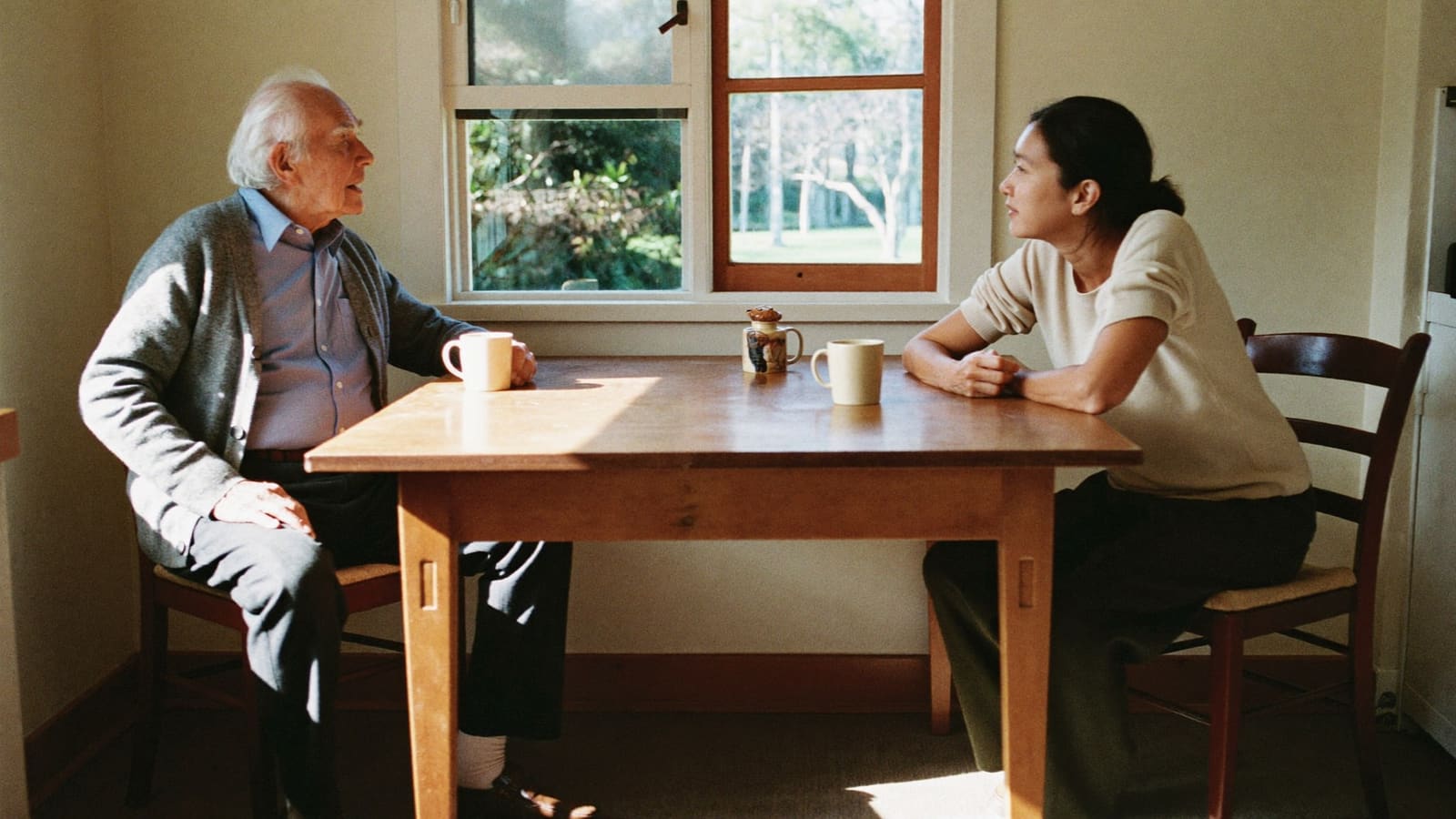
Illustrative. Does not depict Aldera clients or staff.
The first visit is the one people are most nervous about and know least about. It helps to know it is mostly a conversation.
Here is what actually happens, what you will be asked, and what is worth saying while someone is still writing everything down. This is general information, not advice about your own plan.
Before anyone knocks
You should know in advance who is coming, roughly when, and how long they expect to be. If you do not know those three things, ring and ask. A provider who cannot tell you who is coming to your house is telling you something useful about how the rest will go.
Two small things worth doing beforehand. Put your medication list, your My Aged Care details and your GP’s number somewhere you can reach them without hunting. And have a think about what a bad day looks like, not just an average one, because that is the part people forget to mention.
What the visit is actually for
Almost nobody gets vacuuming or a shower on the first visit. The purpose is to agree how this will work.
A walk through the house. Not an inspection. They are looking at how you move through your own home, where the steps and the thresholds are, how the bathroom is set up, where things are kept. It is also how the worker learns where the linen cupboard is so they are not asking every week.
A conversation about your days. What time you get up. When you like to shower, or whether you would rather not have help with that at all yet. What you still do yourself and want to keep doing. What has become hard. Who else comes and goes.
Agreeing the schedule. Which days, what time, how long, and what each visit will cover. Get this specific. “Tuesday mornings, nine o’clock, shower first then the bathroom and floors” is a plan. “A couple of visits a week for personal care and domestic” is not.
Writing it down. Everything agreed goes into a care plan. At Aldera it goes into One Story, the single record everyone in your Care Circle works from, so the arrangement does not live in one person’s memory.
The practical admin. Consent, privacy, emergency contacts, key or access arrangements, and how to contact your Care Lead. Take the contact details rather than assuming you will find them later.
What they should ask you
A good first visit is mostly questions. Expect to be asked how you manage the shower and the stairs, what a typical day looks like, what you eat and who cooks it, what medications you take and who manages them, whether you have had a fall, who your GP is, what you enjoy and what you have stopped doing, whether you would prefer a man or a woman for personal care, and what language you would rather speak at home.
That last pair matter more than people expect and are the easiest to leave unsaid. If it matters to you, say it on day one rather than putting up with it for six months. Our page on languages and cultural care covers how we handle it.
What is worth saying while they are writing
This is the leverage point of the whole arrangement. Once the plan is written, it tends to stick.
- How you do things, not just what needs doing. The door pushed to rather than shut. Tea before the tablets. The back gate, not the front.
- What you still do yourself. Say it plainly, so support is added around your independence rather than over the top of it.
- The bad days as well as the average ones. Describing your best week produces a plan that fails in your worst one.
- What family are already doing. Unmet carer need is a real need and it belongs in the record.
- Anything you are not ready for. “Not the shower yet” is a complete answer. Most people start with one thing and add later.
Questions worth asking them back
- Who exactly will be coming each week, and will I meet them before they start?
- What happens when my regular person is on leave or unwell?
- Who do I ring when something is not right, and will I get the same person?
- How do I change the schedule, and how much notice do you need?
- What will I get in writing, and when?
If a provider is vague on the second and third of those, that is worth weighing. Our questions to ask a provider is the fuller list, and our guide on choosing a provider explains what good answers sound like.
The visit after the first one
The first real service visit is where the plan meets a Tuesday. Expect it to be about eighty percent right, and expect to adjust.
Say so early when something does not fit. The time is wrong, the order of tasks is awkward, the vacuum lives somewhere else now. Small corrections in the first month are ordinary and expected. Left for six months they turn into a conversation about leaving.
If the arrangement is not settling, ring your Care Lead rather than waiting for a review. That is what they are for.
If you have not started yet
Everything above assumes an assessment has already happened. If it has not, that is the first step, and it takes the longest. Start with our assessment guide, or go straight to myagedcare.gov.au or 1800 200 422. If you are assessed and waiting, our guide on what to do in the meantime covers the options.
Would rather just talk to someone about how a first visit would run? Get in touch. A real person answers.
Part of our The Aldera way guide.
Not sure where you fit?
Call us and a real person will talk it through, no obligation and no script.
Call 1300 998 928Common questions
What happens on the first home care visit?
The first visit is mostly conversation, not tasks. Someone from the provider comes to the house, walks through it with you, asks how your days run, agrees what the regular visits will cover and when they will happen, and writes it down. Practical help usually starts on the visit after that.
How long does the first visit take?
Usually around an hour, sometimes a little longer if there is a lot to cover. It is worth setting aside the morning rather than squeezing it between other things, because what gets agreed here shapes every visit that follows.
Should family be there for the first visit?
If the person receiving care wants them there, yes, and it helps to have someone taking notes. The person receiving the care should still do most of the talking. Arrangements decided over someone's head tend not to last.
More guides
-
Guides
Drinking enough water in later life
Why older people drink less without noticing, the signs of dehydration to watch for, and small habits that make drinking easier at home.
15 October 2026
-
Guides
Recognising elder abuse and where to get help
The forms elder abuse takes, the quiet signs families and workers notice, and who to contact in NSW if you are worried about an older person.
15 October 2026
-
Guides
Talking to a parent about giving up driving
Signs driving is getting harder, how to raise it without a fight, who can give an independent view, and how to keep a parent getting out once the keys go.
15 October 2026