Blog
Why we ask about your day, not your diagnosis
The Aldera team Published 8 September 2026
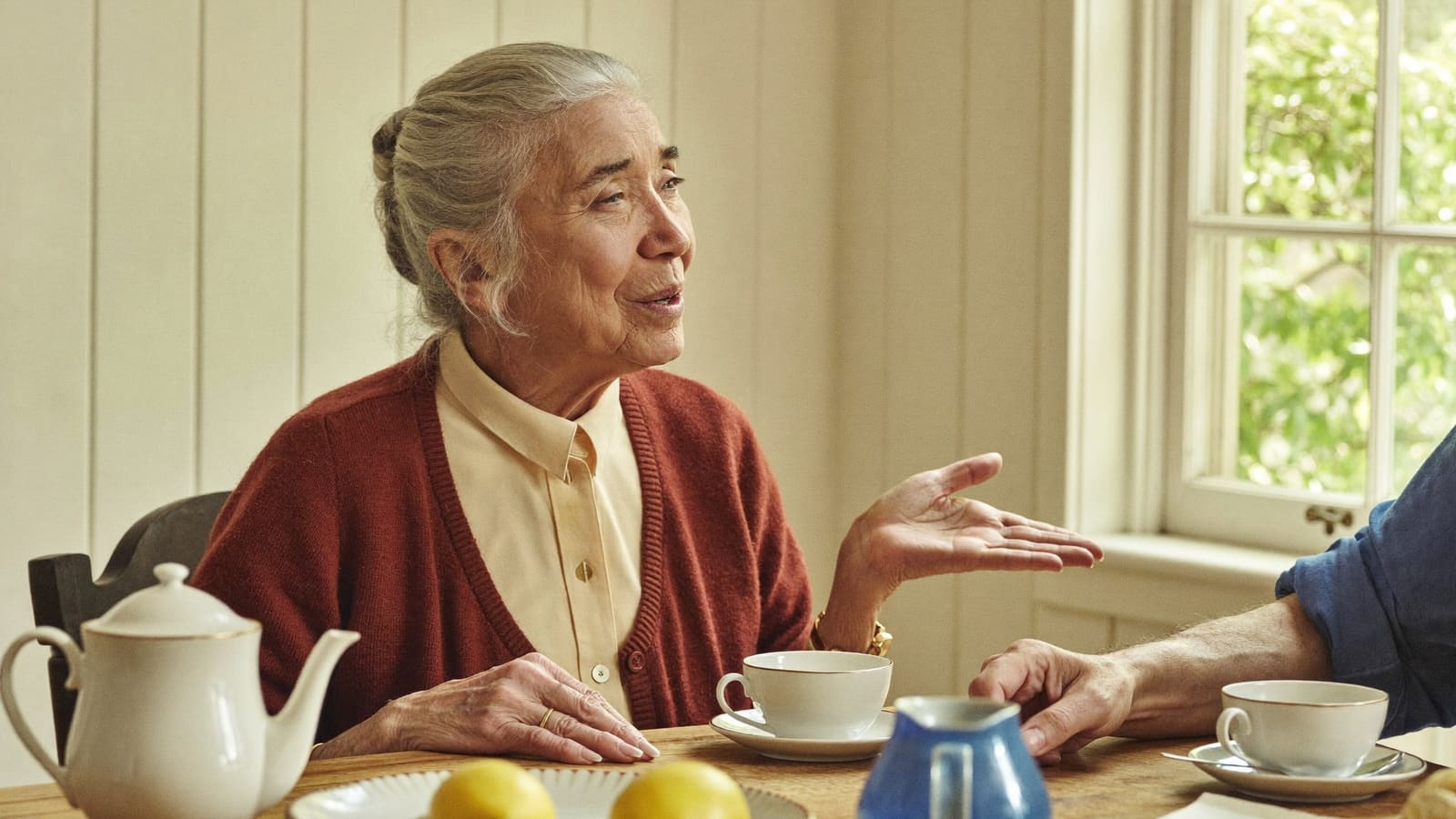
Illustrative. Does not depict Aldera clients or staff.
Most first conversations with a care provider go the same way. Name, date of birth, Medicare number, then the list. Diabetes. A knee replacement in 2019. Mild cognitive impairment. Blood pressure. Some falls last winter.
All of it true. All of it necessary. And at the end of it, a provider knows a great deal about a body and essentially nothing about a person, which is why so many care plans are technically accurate and still do not fit.
So we ask a second set of questions, and we ask them first.
What we actually ask
What time do you wake up, and what happens next? Which room do you spend the day in? Who comes to the door, and who never does? What day does the bin go out? Which of these jobs do you actually mind doing, and which would you rather keep doing yourself?
And then the one that changes plans most often: what does a good day look like, and what has stopped happening that you miss?
The answers are rarely medical. A man tells us his day is fine until four in the afternoon and then the house gets very quiet. A woman tells us she can manage the shower but the towels are too heavy to hang out. Someone says he will not talk to anyone before he has done the crossword.
None of that is in a referral. All of it decides whether support works.
Three things it changes immediately
When we come. A diagnosis does not have a time of day. A life does. Someone whose medication makes mornings slow needs the shower visit at ten, not eight. Someone whose hard hours are late afternoon does not want the only visit of the day at nine. Getting the hour right often does more than adding a second visit, and it costs nothing.
What the visit is for. Ask what is wrong and you get a task list. Ask about the day and you get the actual problem, which is frequently one specific job rather than the whole category. The towels, not the laundry. The bins on a Tuesday, not domestic assistance. Small things that keep independence is about how often the useful help is smaller and more specific than the referral suggests.
Whether help is accepted at all. This is the big one. Most refusals are not refusals of help, they are refusals of the version of help that was offered, usually because it took over something the person was still managing and still wanted. How to talk to a parent who refuses help covers this properly, but the short version is that a plan built around what someone wants to keep doing meets far less resistance than one built around what they can no longer do.
Why it has to be written down once
A good first conversation is worth very little if it lives in one worker’s memory.
That is what the One Story record is for. One place holding both halves: the clinical facts that must not be missed, and the ordinary detail that makes a visit work. The side door rather than the front. Tea with the milk in first. Two sugars, and do not comment on it. The dog is friendly but barks for the first minute. Do not raise the son who does not call.
Written down once, that becomes the standard for everyone who visits. Held in one head, it disappears the first time that person is on leave, and the household starts again from the beginning with a stranger. The hidden cost of carer churn is about what that repetition actually costs, and it is more than convenience.
It is also why the Care Circle is a small named group rather than whoever the roster produces. A record only stays true if the people reading it are few enough to notice when it stops being true, and to say so.
What it looks like on the day
The first visit is mostly a conversation at a table, and it is deliberately unhurried. We take the clinical detail carefully, because medication timing and falls history are not things to be casual about. Then we spend most of the time on the day itself, and we write down what you tell us in your words rather than translating it into ours.
You will be asked what you want to keep doing. That question is meant literally. The answer becomes part of the plan, and support is built around it rather than over the top of it.
If any of that sounds like the conversation you wish someone had started with, get in touch and we will start there.
Part of our The Aldera way guide.
Not sure where you fit?
Call us and a real person will talk it through, no obligation and no script.
Call 1300 998 928Common questions
Why does the first Aldera conversation not start with medical questions?
Because the medical picture is already written down in several places and the day is written down nowhere. We do need the clinical facts, and we ask for them. We just do not start there, because a list of conditions tells us what to be careful of and tells us almost nothing about when to arrive, what to bring, or what would make a Tuesday better.
Does that mean clinical needs are treated as less important?
No. Medication timing, wound care, swallowing risk, falls history and allergies are recorded carefully and are not optional. The point is the order. Clinical detail describes the risks. The day describes the life the support has to fit into, and a plan built only on the first one is technically correct and practically useless.
What is the One Story record?
One written record of what matters in a household, held once and shared with the small group of workers who visit. It holds the medical facts, and it also holds the things that usually live only in one worker's head, such as which door to use, how someone likes their tea, what they will not discuss before nine, and which cue helps them get moving.
More blog
-
Blog
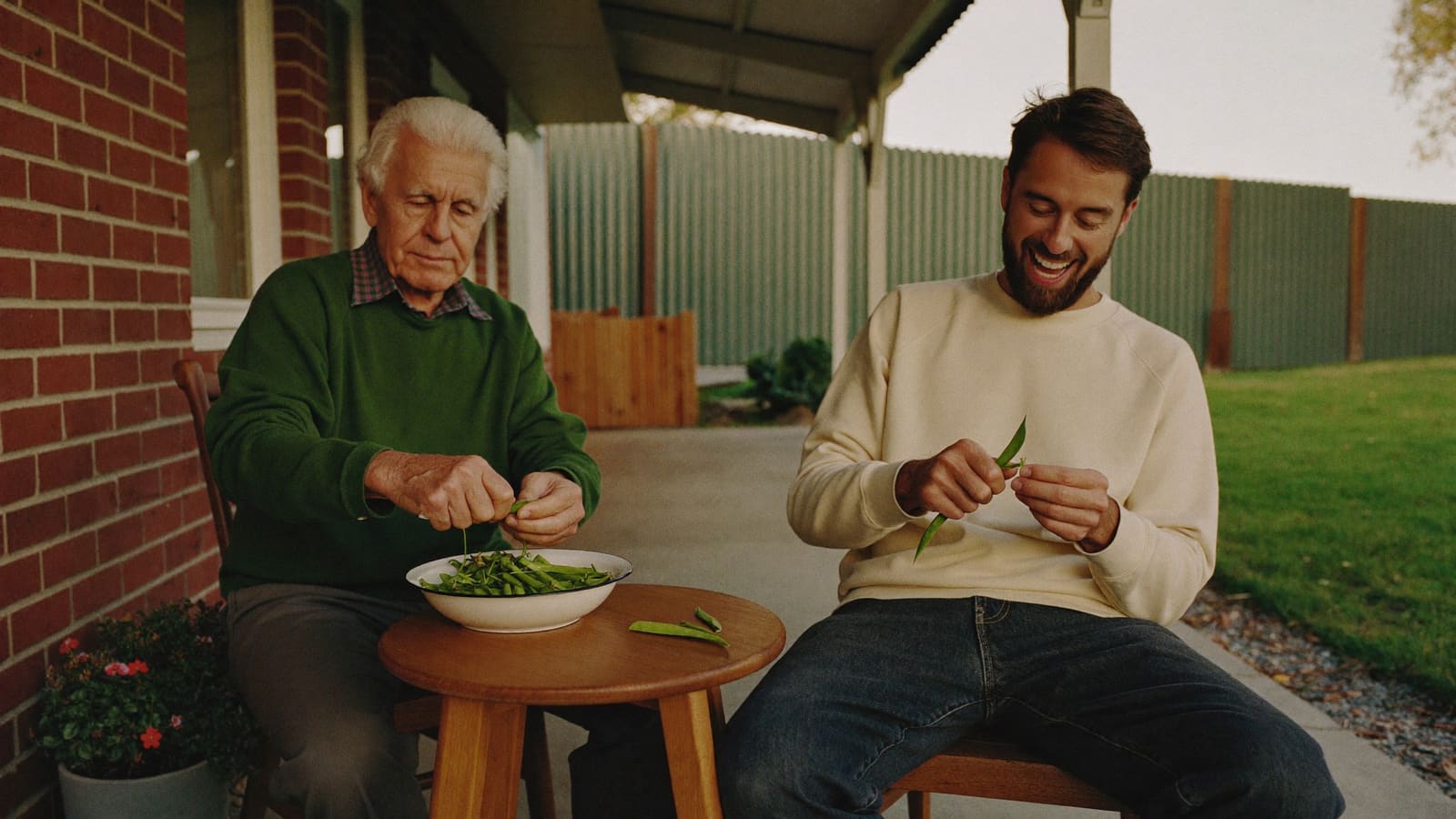
Grandchildren and a grandparent's care
Grandchildren often want to help when a grandparent starts needing care but do not know how. Practical ways for younger family to stay close and useful.
15 October 2026
-
Blog
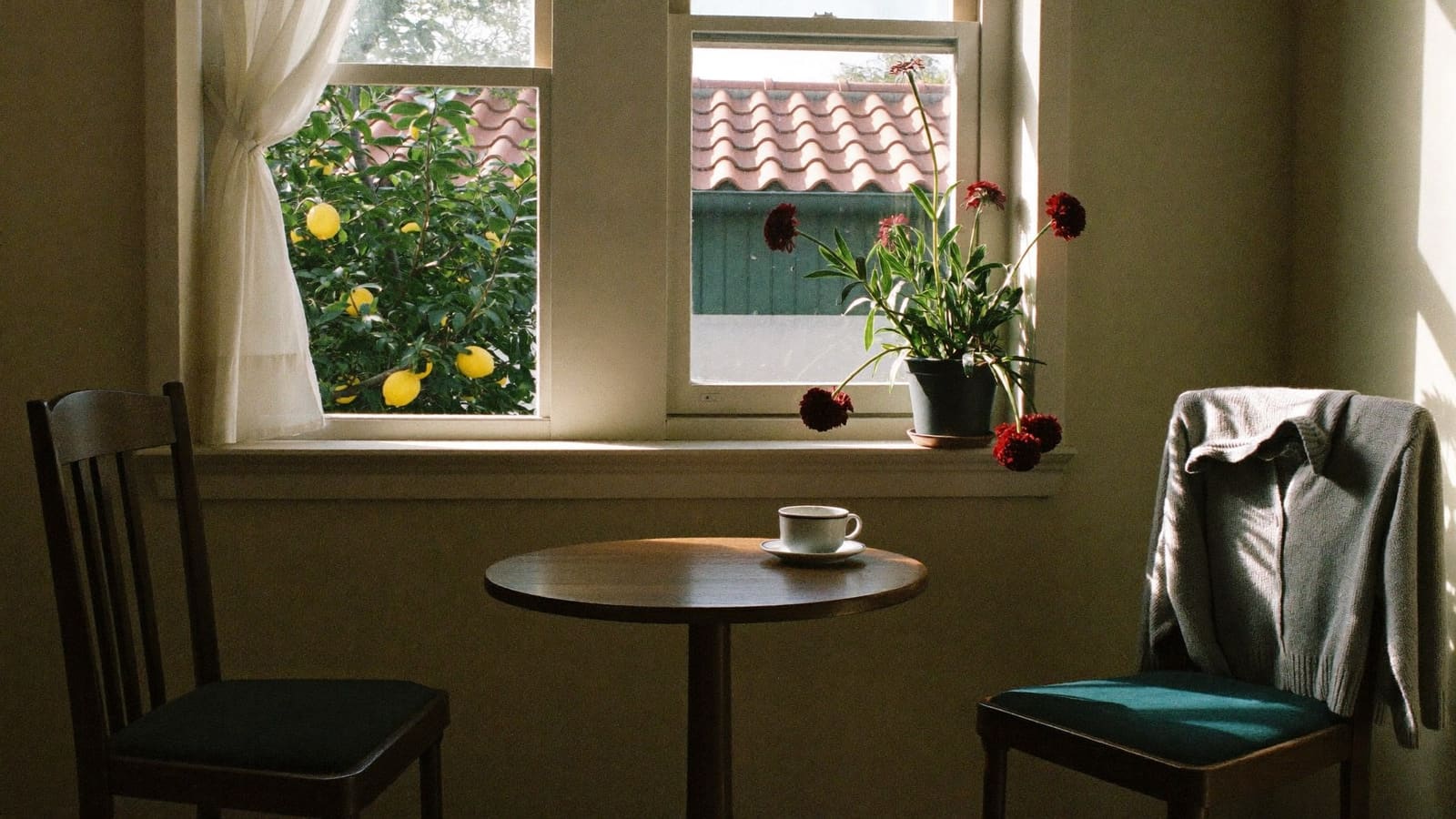
Staying at home after losing a partner
When a husband or wife dies, the house changes overnight. Some gentle, practical thoughts on grief, routine and getting the right help at home.
7 October 2026
-
Blog
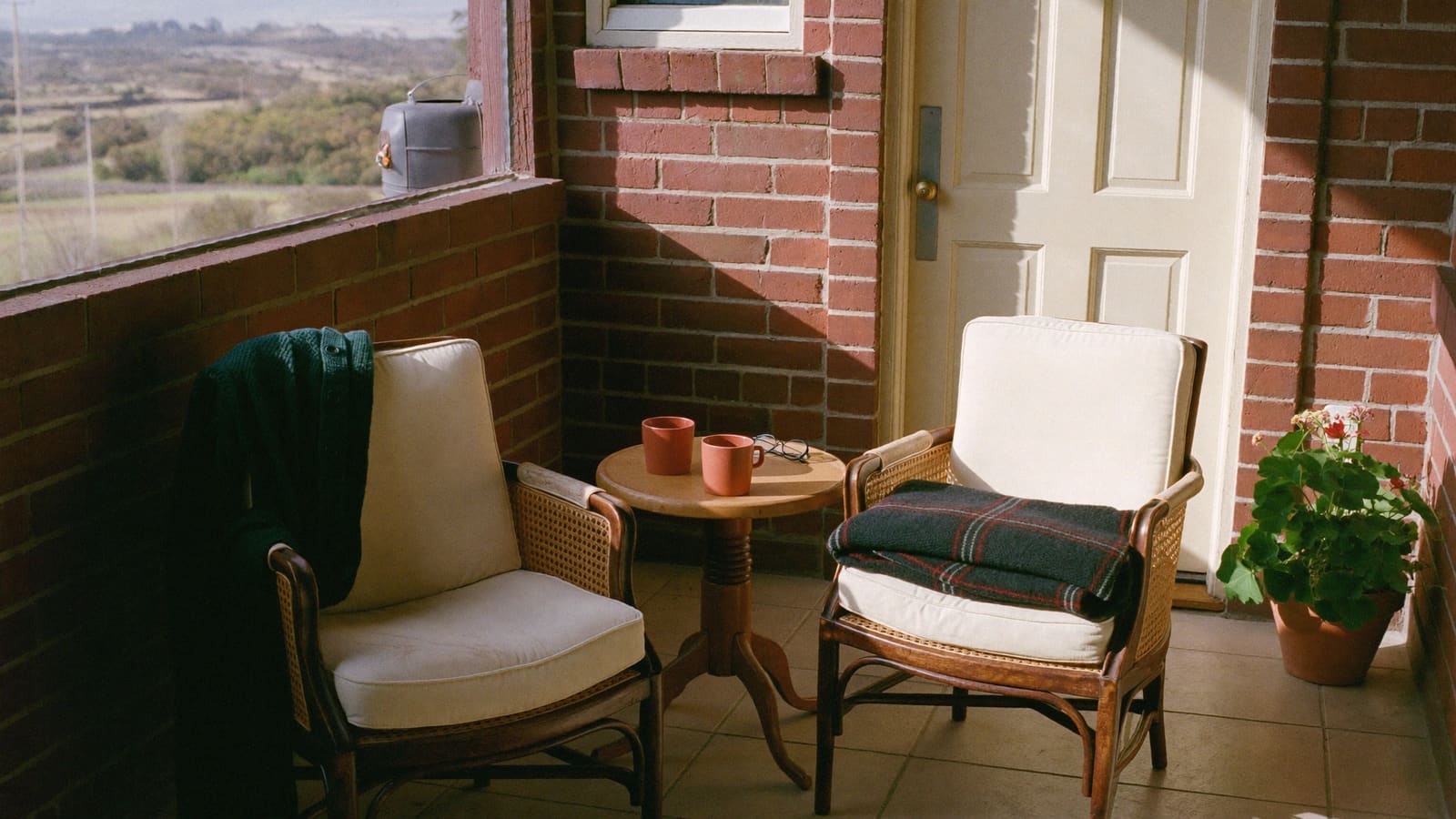
When your husband or wife becomes your carer
Caring for a partner is not like caring for a parent. Staying a couple, accepting help without feeling you have failed, and looking after yourself.
5 October 2026